
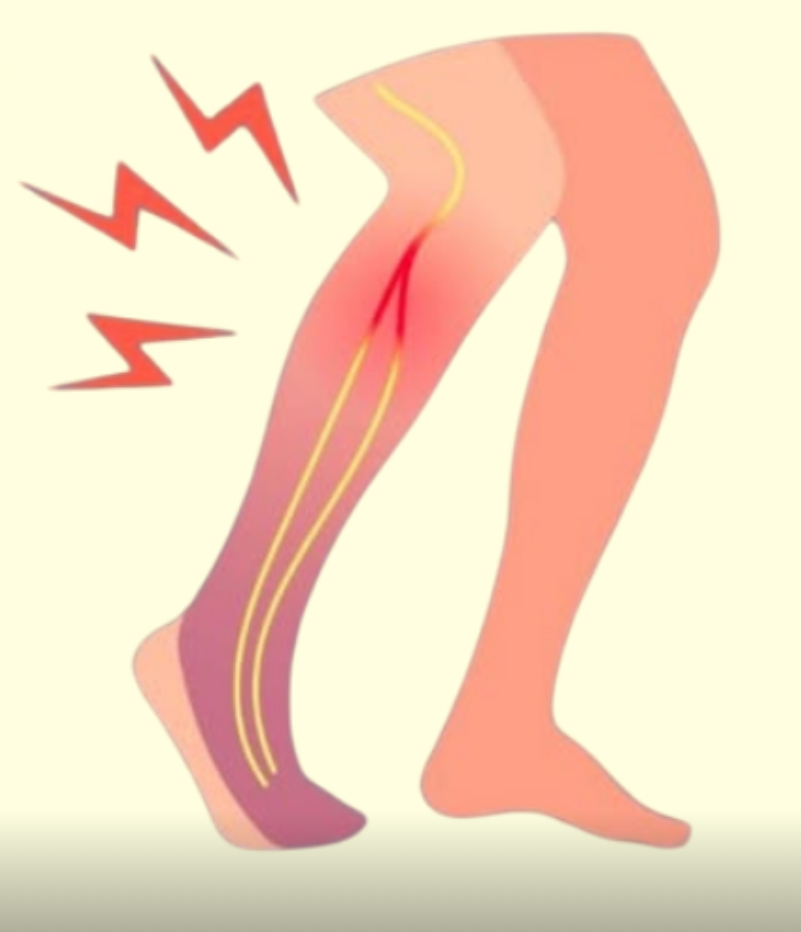
It’s perfectly normal to feel concerned if your legs aren’t as strong as they used to be. Maybe you’re finding it harder to climb stairs, get out of a chair, or keep your balance while walking. Leg weakness can be a frustrating part of aging — but the good news is, it’s not inevitable. Understanding what’s behind the problem is the first step toward stronger, steadier legs.
In this article, we’ll explore 5 often-overlooked causes of weak legs in older adults — and more importantly, what you can do to restore strength and confidence.
🧍♂️ 1. Muscle Loss (Sarcopenia)
What’s happening:
As we age, we naturally lose muscle mass — a condition called sarcopenia. This process begins as early as your 30s and accelerates after age 50. Without regular strength training, leg muscles shrink and weaken, making everyday movements harder.
How to fix it:
-
Add resistance exercises to your weekly routine (squats, lunges, leg lifts).
-
Use resistance bands or light weights 2–3 times per week.
-
Include protein-rich foods in your diet (eggs, lean meats, legumes, Greek yogurt) to support muscle repair.
🏡 2. Reduced Physical Activity
What’s happening:
With retirement or health changes, seniors often become less active — which creates a vicious cycle. Less movement leads to more weakness, which makes moving even harder.
How to fix it:
-
Take daily walks — even 10 minutes a day can help.
-
Try low-impact exercises like swimming, cycling, or gentle yoga.
-
Set small, realistic goals (like adding 5 minutes of walking each week).
🩺 3. Chronic Health Conditions
What’s happening:
Conditions like diabetes, arthritis, or nerve damage (neuropathy) can contribute to leg weakness, numbness, and pain. These symptoms can limit mobility and increase fall risk.
How to fix it:
-
Work with your doctor to manage blood sugar, joint pain, or inflammation.
-
Start physical therapy to strengthen muscles safely.
-
Add balance exercises (heel-to-toe walking, standing on one leg) to prevent falls.
🦴 4. Back Problems
What’s happening:
Issues like sciatica, spinal stenosis, or herniated discs can pinch nerves in the lower back, causing leg weakness or numbness.
How to fix it:
-
Consult a healthcare provider if you feel tingling or numbness in your legs.
-
Do gentle back stretches to relieve pressure (with guidance from a physical therapist).
-
Use proper posture and ergonomic chairs to reduce strain on the spine.
💬 5. Lack of Motivation or Depression
What’s happening:
Emotional health and leg strength are more connected than you think. Seniors dealing with loneliness, grief, or depression may feel less motivated to move — which can lead to more physical decline.
How to fix it:
-
Join a walking group or exercise class for seniors.
-
Choose fun activities like gardening, tai chi, or dancing to stay engaged.
-
Don’t hesitate to talk to a therapist or counselor if feelings of sadness persist.
🏋️♀️ Simple At-Home Exercises to Strengthen Legs
These low-impact movements can be done at home — no gym required:
✅ Chair Stands
Sit in a sturdy chair. Slowly stand up, then sit back down. Try 10 repetitions.
✅ Heel Raises
Stand near a counter or chair. Lift your heels off the ground, pause, then lower. Repeat 10–15 times.
✅ Walking
Even walking indoors is helpful. Add a few extra steps each day.
✅ Lunges (Assisted)
Hold onto a stable surface. Step forward and bend both knees slightly, then return to standing. Repeat slowly on each leg.
🧠 Key Takeaways
-
Leg weakness in seniors is often caused by muscle loss, inactivity, chronic illness, back issues, or emotional changes.
-
Regular movement, good nutrition, and professional guidance can slow or reverse leg weakness.
-
Simple exercises like walking and chair stands build strength over time.
-
Support from family, friends, or health professionals can make all the difference.
You’re not powerless against weak legs. With the right strategies and consistency, you can stay strong, active, and independent for years to come. One step at a time, your legs can carry you further than you think.