
What Is Pumpkin and Why Is It So Beneficial?
Pumpkin is a popular and versatile vegetable that belongs to the squash family. Known for its bright orange color and slightly sweet flavor, pumpkin is widely used in both sweet and savory dishes across the United States, especially during the fall season.
But beyond its taste and appearance, pumpkin is packed with nutrients that make it one of the most beneficial foods you can add to your diet.
What Is Pumpkin?
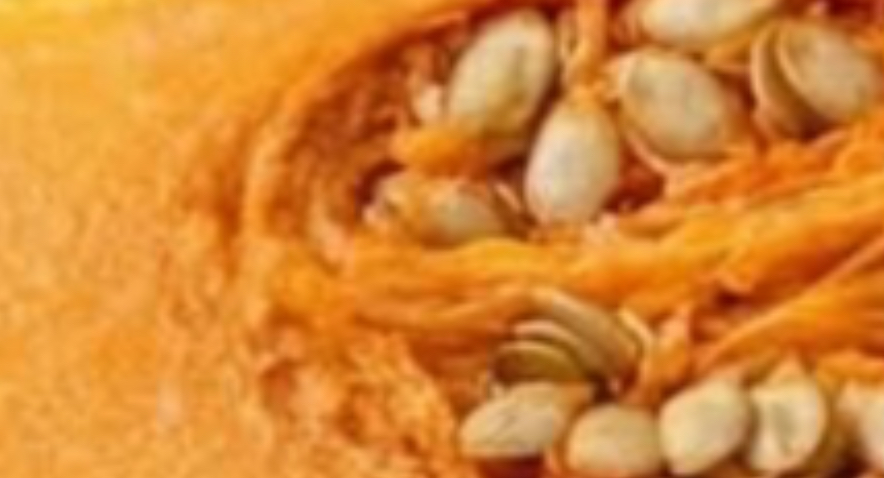
Pumpkin is a type of winter squash that grows on a vine. It has a thick outer skin, soft flesh inside, and seeds in the center. While many people think of pumpkin as a vegetable, it is technically a fruit because it contains seeds.
Pumpkin can be eaten in many forms, including fresh, canned, roasted, or pureed.
Nutritional Value of Pumpkin
Pumpkin is low in calories but rich in essential nutrients, including:
- Vitamin A
- Vitamin C
- Potassium
- Fiber
- Antioxidants
Its bright orange color comes from beta-carotene, which your body converts into vitamin A.
Top Health Benefits of Pumpkin
Supports Eye Health
Pumpkin is very high in vitamin A, which helps maintain good vision and supports eye health, especially in low-light conditions.
Boosts the Immune System
The combination of vitamins A and C helps strengthen your immune system and protect your body from infections.
Promotes Healthy Digestion
Pumpkin is rich in fiber, which helps support digestion and keeps your gut healthy. It can also help prevent constipation.
Supports Heart Health
The potassium and antioxidants in pumpkin may help regulate blood pressure and support overall heart health.
Helps with Weight Management
Pumpkin is low in calories but high in fiber, which helps you feel full longer and may support healthy weight goals.
Pumpkin Seeds Are Also Beneficial
Pumpkin seeds are just as nutritious as the flesh. They contain:
- Healthy fats
- Protein
- Magnesium
- Zinc
These nutrients may support heart health, immune function, and energy levels.
Easy Ways to Add Pumpkin to Your Diet
Roast It
Roasted pumpkin makes a delicious side dish.
Use in Baking
Pumpkin puree is perfect for pies, muffins, and breads.
Add to Soups
Pumpkin soup is creamy, comforting, and easy to prepare.
Blend into Smoothies
Add pumpkin puree to smoothies for extra nutrients and flavor.
Tips for Choosing and Storing Pumpkin
Choose a Firm Pumpkin
Look for pumpkins that feel heavy for their size with no soft spots.
Store in a Cool Place
Whole pumpkins can last for weeks when stored properly.
Frequently Asked Questions
Is Pumpkin Better Cooked or Raw?
Cooked pumpkin is easier to digest and helps your body absorb more nutrients.
Can I Eat Pumpkin Every Day?
Yes, pumpkin can be part of your daily diet when eaten in moderation.
Final Thoughts
Pumpkin is a nutrient-rich, versatile food that offers many health benefits. From supporting your immune system to improving digestion, it is a powerful addition to a balanced diet.