
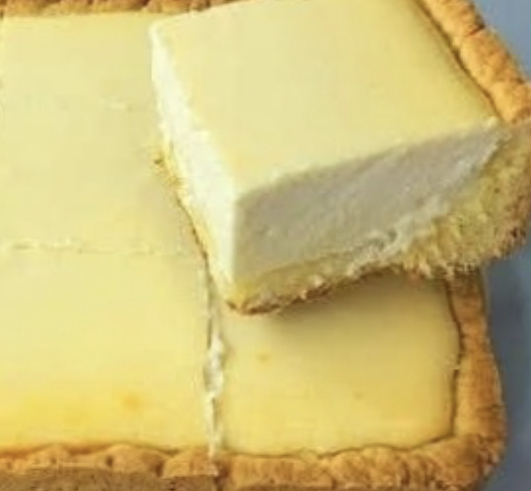
This beloved dessert, whose name translates to “Grandmother’s Cake,” is a cherished staple in Italian homes. With its tender shortcrust pastry and rich vanilla custard filling, it strikes the perfect balance between simplicity and elegance. The golden, pine nut-studded top adds a delightful crunch, making it a treat that is as visually appealing as it is delicious.
Whether served at a family gathering or enjoyed as an afternoon indulgence, Torta della Nonna embodies rustic Italian comfort. Its creamy texture and buttery crust make it universally appealing, while the subtle citrus notes from the lemon zest add a refreshing twist. This dessert is a testament to how humble ingredients can create something truly extraordinary.
Why You’ll Love This Recipe
-
Tender, buttery shortcrust pastry
-
Rich, creamy vanilla custard filling
-
Golden pine nut topping for crunch
-
Subtle lemon zest for brightness
-
A classic Italian dessert that impresses every time
-
Perfect for holidays, family gatherings, or afternoon tea
Torta della Nonna
Prep Time: 30 minutes | Chill Time: 30 minutes | Bake Time: 35-40 minutes | Total Time: Approximately 2 hours
Yield: 8-10 servings
Ingredients
For the Shortcrust Pastry:
-
250g (2 cups) all-purpose flour
-
100g (7 tablespoons) cold unsalted butter, cubed
-
75g (⅓ cup) granulated sugar
-
1 whole egg
-
1 teaspoon baking powder
-
A pinch of salt
-
Zest of 1 lemon (optional but recommended)
For the Custard Filling:
-
500ml (2 cups) whole milk
-
4 egg yolks
-
100g (½ cup) granulated sugar
-
40g (⅓ cup) cornstarch
-
1 teaspoon vanilla extract
Optional Toppings:
-
Pine nuts (traditional)
-
Powdered sugar (for dusting)
Instructions
1. Make the Pastry:
In a large bowl, combine the flour, sugar, baking powder, and salt. Add the cold, cubed butter and rub it into the flour mixture with your fingertips until it resembles coarse breadcrumbs. Add the egg and lemon zest (if using), then knead lightly until a smooth dough forms. Wrap the dough in plastic wrap and refrigerate for 30 minutes.
2. Prepare the Custard:
In a medium saucepan, heat the milk over medium heat until it is just simmering (do not boil). In a separate bowl, whisk together the egg yolks, sugar, and cornstarch until pale and smooth. Gradually pour the hot milk into the egg mixture, whisking constantly to prevent lumps. Return the mixture to the saucepan and cook over medium heat, stirring constantly with a whisk, until the custard thickens (about 3-5 minutes). Remove from heat, stir in the vanilla extract, and cover the surface with plastic wrap to prevent a skin from forming. Let the custard cool to room temperature.
3. Preheat and Prepare the Pan:
Preheat your oven to 180°C (350°F). Lightly grease a 9-inch tart pan or line it with parchment paper.
4. Assemble the Tart:
Remove the chilled dough from the refrigerator. Divide it into two portions: about two-thirds for the bottom crust and one-third for the top. On a lightly floured surface, roll out the larger portion of dough into a circle large enough to fit the tart pan. Carefully transfer the dough to the prepared pan and press it gently into the bottom and up the sides. Trim any excess dough.
5. Add the Custard:
Spread the cooled custard evenly over the bottom crust.
6. Add the Top Crust:
Roll out the remaining dough into a circle large enough to cover the tart. Place it over the custard, sealing the edges by pressing them together with your fingers or a fork. Trim any excess dough.
7. Add the Toppings:
If using pine nuts, sprinkle them evenly over the top of the tart. For a more traditional look, you can also brush the top with a little beaten egg before adding the pine nuts.
8. Bake:
Bake for 35 to 40 minutes, or until the crust is golden brown and the custard is set. If the top is browning too quickly, cover loosely with aluminum foil.
9. Cool and Serve:
Remove the tart from the oven and let it cool completely in the pan on a wire rack. Once cooled, dust generously with powdered sugar. Slice and serve.
Recipe Notes & Pro Tips
Cold Butter is Essential: For a flaky, tender pastry, the butter must be cold. Work quickly to prevent the butter from softening. If the dough becomes too warm, chill it for 10-15 minutes before rolling.
Do Not Overwork the Dough: Knead the dough just until it comes together. Overworking will develop gluten, resulting in a tough, dense crust.
Cool the Custard Completely: The custard must be completely cool before spreading it over the bottom crust. Warm custard will melt the butter in the pastry, making it soggy.
Cover the Custard with Plastic Wrap: Placing plastic wrap directly on the surface of the hot custard prevents a skin from forming. This is essential for a smooth, creamy filling.
Pine Nuts: Pine nuts are traditional for Torta della Nonna. If pine nuts are expensive or hard to find, substitute with slivered almonds, chopped hazelnuts, or omit them entirely.
Lemon Zest: The lemon zest is optional but highly recommended. It adds a subtle brightness that balances the richness of the custard and pastry.
Make Ahead: You can prepare the pastry and custard up to 2 days in advance. Keep the pastry wrapped in the refrigerator and the custard covered in the refrigerator. Assemble and bake when ready to serve.
Variations
Chocolate Torta della Nonna: Add 50g of melted dark chocolate to the custard after removing it from the heat. Stir until smooth. The chocolate adds a rich, decadent twist.
Lemon Torta della Nonna: Increase the lemon zest to 2 lemons and add 2 tablespoons of fresh lemon juice to the custard. The lemon adds bright, citrusy flavor.
Ricotta Torta della Nonna: Substitute half of the custard with 250g of ricotta cheese. Mix the ricotta into the custard for a creamier, slightly tangy filling.
Nutella Torta della Nonna: Spread a thin layer of Nutella over the bottom crust before adding the custard. The chocolate-hazelnut spread adds a delicious surprise.
Gluten-Free Torta della Nonna: Substitute the all-purpose flour with a gluten-free flour blend. Add an extra egg to the pastry to help it bind.
Dairy-Free Torta della Nonna: Substitute the butter with dairy-free margarine or coconut oil, and the milk with almond milk or oat milk. Use a dairy-free custard recipe.
Serving Suggestions
This elegant tart is perfect for:
-
Afternoon tea or coffee breaks
-
Family gatherings and holiday dinners
-
Birthday celebrations
-
A simple yet impressive dessert for guests
Serve it on its own or with:
-
A dusting of powdered sugar
-
A dollop of whipped cream
-
A scoop of vanilla gelato or ice cream
-
Fresh berries (raspberries or strawberries)
Storage
Store Torta della Nonna in an airtight container in the refrigerator for up to 5 days. Bring to room temperature before serving, or serve slightly chilled.
This tart does not freeze well, as the custard becomes grainy upon thawing.
The History of Torta della Nonna
Torta della Nonna, which translates to “Grandmother’s Cake,” is a classic Italian dessert that originated in Tuscany. Like many “grandmother” recipes, its exact origins are unclear, but it is believed to have been created in the early 20th century. The dessert is a staple in Tuscan bakeries and homes, loved for its simplicity and comforting flavors.
The combination of shortcrust pastry, vanilla custard, and pine nuts reflects the rustic, ingredient-focused cooking of Italian grandmothers who made delicious desserts with what they had on hand. The pine nuts, which grow abundantly in Italy, add a traditional nutty crunch.
Today, Torta della Nonna is enjoyed throughout Italy and around the world. It is often served at the end of a meal, dusted with powdered sugar, and accompanied by a cup of espresso or a glass of sweet wine.
This recipe honors that tradition, bringing a taste of rustic Italian comfort to your own kitchen. With its tender pastry, creamy custard, and golden pine nut topping, Torta della Nonna is a dessert that will impress family and friends alike.