
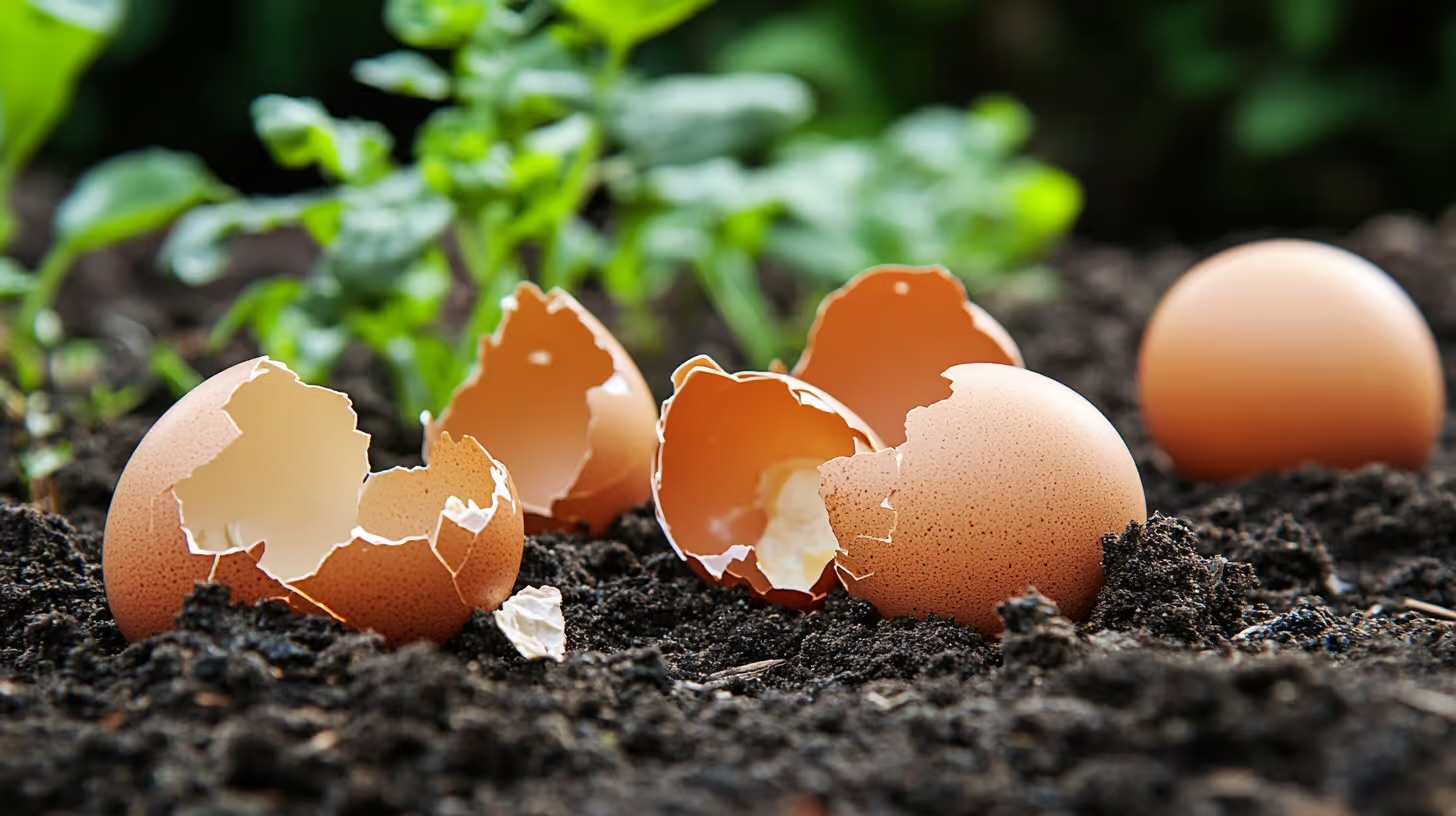
6 Different Ways to Use Eggshells in Gardening and Why They Are Beneficial
Eggshells, often discarded as kitchen waste, are a surprisingly versatile resource for gardeners. While a popular belief is that they act as an instant fertilizer, their true benefits come from slower, more deliberate applications that improve soil health over time. Here are six effective ways to use eggshells in your garden, backed by the reasons they work.
1. Finely Ground Soil Amendment
The most direct and effective way to use eggshells is to grind them into a very fine powder and mix it directly into the soil. The key is preparation. Eggshells decompose slowly, so simply crumbling them by hand is not much better than doing nothing at all. A study found that finely ground eggshells boosted soil calcium significantly more than crumbled shells or eggshell tea. To prepare them, rinse the shells, bake them at a low temperature (about 200°F) for 10-15 minutes to dry and sterilize them, then grind them to a dust using a coffee grinder or blender. This powder can be mixed into planting holes, especially for calcium-loving plants like tomatoes and peppers, to provide a slow-release source of this vital nutrient.
2. Compost Enrichment
Adding eggshells to your compost pile is one of the most beneficial and common uses. The shells contribute calcium and other trace minerals to the finished compost, enriching the overall nutrient profile. Furthermore, the coarse, granular nature of crushed eggshells helps add “grittiness” to the compost, which improves its texture and aeration. To speed up their breakdown, it is best to crush the shells before adding them to the compost bin. In a well-managed hot compost pile, ground shells can break down in three to six months, while whole shells may take over a year.
3. Natural Pest Deterrent
Crushed eggshells can act as a physical barrier against soft-bodied pests like slugs and snails. The sharp edges of the shells are difficult for these pests to crawl over, potentially deterring them from reaching your plants. To create this barrier, form a ring of coarse, sharp-edged shell pieces around the base of vulnerable plants. However, it is important to note that the effectiveness of this method is not always reliable, especially in wet conditions where the barrier can become less effective.
4. Liquid “Eggshell Tea” Fertilizer
Creating a liquid fertilizer from eggshells, often called “eggshell tea,” provides a faster way to deliver calcium to plants. To make it, add 10 to 20 clean eggshells to a gallon of boiling water and let it steep overnight. Strain the liquid and use it to water your plants. This method yields a solution that adds calcium and potassium to the soil. Another, more potent version involves using vinegar. The acid reacts with the calcium carbonate in the shells to create a soluble form of calcium, but this extract must be heavily diluted (e.g., 1:10 with water) before application to avoid harming plants.
5. Biodegradable Seed-Starting Pots
Eggshells can serve as perfect, biodegradable pots for starting seeds. To do this, carefully crack an egg near the top, removing a larger portion of the shell to create a small cup. Rinse the shell, poke a small drainage hole in the bottom with a needle, and fill it with seed-starting mix. Plant your seed and care for it until it is ready for transplanting. When the time comes, you can plant the entire shell in the ground. It will naturally break down, providing a slow-release calcium boost directly to the developing plant’s roots and minimizing transplant shock.
6. Soil pH Moderation
Eggshells, being composed of about 95% calcium carbonate, can help reduce soil acidity over time. This is beneficial for plants that prefer a more neutral to slightly alkaline pH. However, this is a slow and gradual process. It is essential to test your soil pH first because many plants, such as blueberries and azaleas, prefer acidic soil and would not benefit from this treatment.
Why Eggshells Are Beneficial
The primary benefit of eggshells in the garden is their high calcium content, which is a crucial nutrient for plant health. Calcium helps build strong cell walls, which supports overall plant structure and can help prevent common issues like blossom end rot in tomatoes and peppers. Beyond calcium, eggshells also provide small amounts of other beneficial minerals like magnesium, phosphorus, and potassium. By using eggshells, you are not only enriching your garden but also reducing kitchen waste in a cost-effective and sustainable way