
Introduction: A “Weed” Worth Knowing
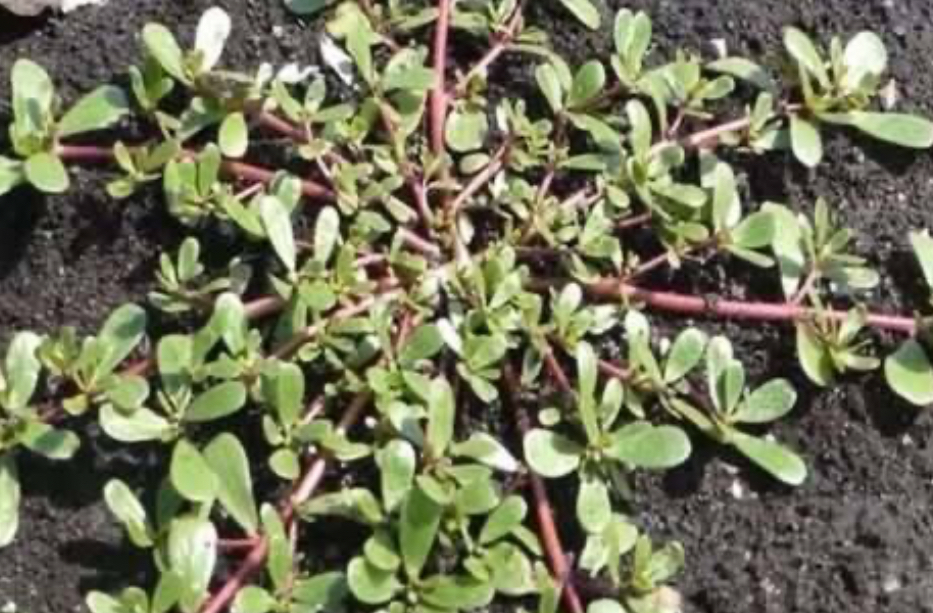
It’s easy to overlook purslane (Portulaca oleracea) as just another pesky weed. You might even spot it growing through cracks in your driveway or between rows in the garden. But don’t be too quick to pull it up — this unassuming succulent plant is a nutritional powerhouse hiding in plain sight.
Known by several names including pigweed, little hogweed, and fatweed, purslane has been consumed for centuries in traditional cuisines and medicinal practices, particularly across Asia, the Middle East, and the Mediterranean. In fact, in traditional Chinese medicine, it’s often referred to as “the vegetable for long life.”
Let’s take a closer look at the impressive health benefits that make purslane one of the most underrated greens in your backyard.
What Good Things Are Inside Purslane?
Purslane is rich in essential nutrients while being incredibly low in calories. That makes it a fantastic addition to any healthy diet. Here’s what it brings to the table:
-
Vitamins A, C, and E – key for skin health, immunity, and cellular repair
-
Minerals – calcium, magnesium, manganese, iron, and potassium for bone and heart health
-
B vitamins – including B1 (thiamine), B2 (riboflavin), B3 (niacin), and folate for energy metabolism
-
Water content – about 93%, which keeps it hydrating and low in calories
-
Fiber – supports digestion and helps maintain blood sugar levels
With this wide spectrum of nutrients, purslane punches far above its weight for something often mistaken for a weed.
A Rare Plant Source of Healthy Omega-3s
Omega-3 fatty acids are vital for heart health, brain function, and reducing inflammation — and they’re most commonly found in fatty fish like salmon or mackerel. But what if you could get them from a plant?
Purslane contains impressive levels of alpha-linolenic acid (ALA), a type of omega-3, offering 5 to 7 times more ALA than spinach. Even more remarkably, purslane also contains eicosapentaenoic acid (EPA) — a highly usable omega-3 typically found in animal products and marine algae, making it extremely rare in terrestrial plants.
Adding purslane to your meals can help boost your omega-3 intake without relying solely on seafood or supplements.
Packed with Protective Antioxidants
The antioxidants in purslane help shield your cells from oxidative stress — a key contributor to aging and chronic diseases. These include:
-
Vitamin C (ascorbic acid): Supports immunity, skin, and collagen production
-
Vitamin A (beta-carotene): Helps with vision, skin health, and immune defense
-
Vitamin E (alpha-tocopherol): Protects cell membranes from free radical damage
But the antioxidant benefits don’t stop there. Purslane also contains:
-
Glutathione – a master antioxidant crucial for detoxification
-
Betalains – the same vibrant pigments found in beets, with anti-inflammatory and liver-protective properties
-
Melatonin – commonly known for sleep regulation, but also a powerful antioxidant that protects DNA and cells
How to Eat Purslane (and Where to Find It)
Purslane is incredibly versatile. You can eat it:
-
Raw in salads – its slightly lemony, peppery flavor pairs well with cucumbers, tomatoes, and feta
-
Sautéed – add to omelets, stir-fries, or soups
-
Pickled – common in Mediterranean cuisine
-
Blended into smoothies – for a hydrating, omega-rich boost
You may already find it growing wild in your garden — or you can buy it at farmer’s markets or specialty produce shops. It’s also easy to grow at home in a pot or raised bed.
Note: Be sure to correctly identify purslane before harvesting it in the wild, as it can be mistaken for toxic look-alikes like spurge.
Final Thoughts: Don’t Weed It, Eat It
Next time you spot this humble plant underfoot, take a second look. Purslane isn’t a nuisance — it’s a nutrient-dense superfood packed with omega-3s, antioxidants, and minerals that support total-body health.
By adding purslane to your meals, you’re embracing centuries of traditional wisdom and nourishing your body in a surprisingly modern way.
From the sidewalk crack to your salad bowl — purslane just might be the most overlooked health booster in nature.