
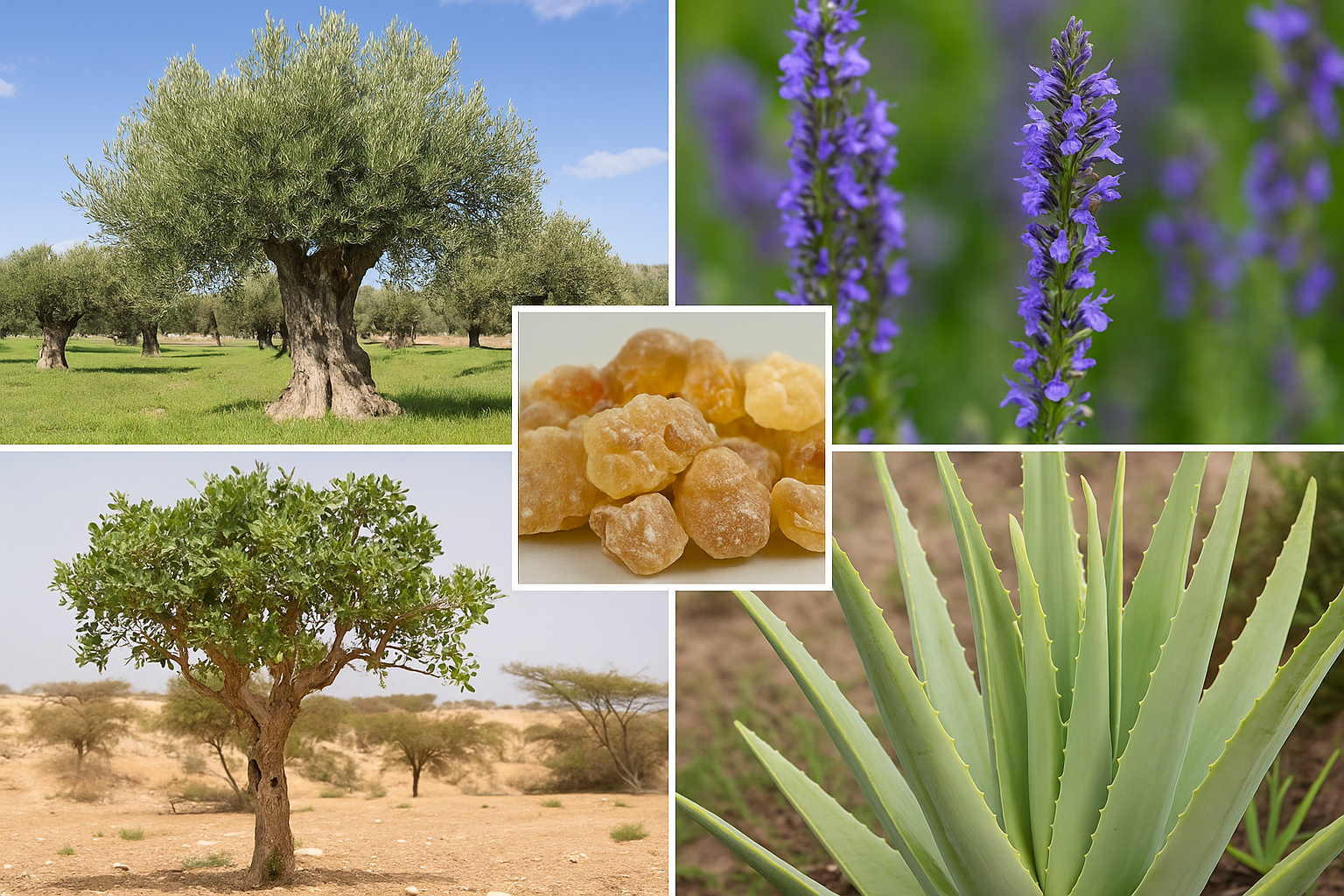
Exploring the Legend of the “Wonder Herb” Mentioned in Scripture
Throughout history, people have searched for the miracle plant referenced in the Bible—one believed to heal all diseases and offer divine restoration. While Scripture does not name a single, all-curing plant, several biblical herbs and trees stand out for their healing, purifying, and spiritual powers.
Let’s take a closer look at the top biblical healing plants, their scriptural origins, and their modern-day health benefits.
Top 5 Healing Plants in the Bible
1. The Tree of Life
References: Genesis 2–3, Revelation 22
Symbolism: Immortality, divine wisdom, and eternal healing
While the Tree of Life remains more symbolic than botanical, some scholars associate it with trees or resins known for their regenerative and medicinal effects.
Possible Modern Equivalent:
-
Frankincense (Boswellia serrata)
Used in anointing rituals and incense, it’s now prized for: -
Anti-inflammatory effects
-
Pain relief for arthritis and digestive disorders
-
Immune system support
2. Hyssop
References: Psalm 51:7 – “Purge me with hyssop, and I shall be clean”
Exodus 12:22 – Used during the first Passover
Traditional Uses:
-
Cleansing rituals
-
Respiratory support
-
Natural antiseptic
Modern Benefits:
-
Helps relieve congestion, coughs, and sore throats
-
May support antibacterial and anti-fungal activity
-
Often used in herbal teas and tinctures
3. Balm of Gilead
References: Jeremiah 8:22 – “Is there no balm in Gilead?”
Genesis 37:25 – Caravans carrying balm to Egypt
Likely Identity:
-
Myrrh (Commiphora species)
-
Mastic (Pistacia lentiscus)
Historical Uses:
-
Treating wounds and inflammation
-
Healing skin conditions
-
Used in perfumes and embalming
This precious balm symbolized healing and hope, both physically and spiritually.
4. Olive Oil
References:
-
James 5:14 – “Anoint them with oil in the name of the Lord”
-
Luke 10:34 – The Good Samaritan used oil to tend wounds
Significance:
-
Symbol of blessing, anointing, and healing
Modern Health Uses:
-
Rich in antioxidants and healthy fats
-
Supports heart health and reduces inflammation
-
Used topically to moisturize skin and aid wound healing
5. Aloe (Aloe Vera)
References: John 19:39 – Nicodemus brought a mixture of myrrh and aloes to prepare Jesus’ body
Biblical Aloe may refer to aromatic wood, but aloe vera—used since ancient Egypt—remains a top healing plant.
Modern Benefits:
-
Soothes burns, cuts, and skin irritations
-
Supports digestion and gut health
-
Anti-inflammatory and hydrating properties
Healing in Scripture: A Spiritual and Physical Gift
While no single “miracle herb” is mentioned in the Bible as a cure-all, these plants reflect a deep understanding of nature’s role in health. They were used not only for physical healing but for symbolic purification, rituals, and expressions of faith.
Today, many of these herbs and oils are still used in natural medicine, bridging ancient wisdom with modern wellness.
Final Thoughts: Faith and Nature Working Together
The search for a “plant that heals all ailments” reminds us of the profound connection between spiritual healing and natural remedies. The Bible often highlights plants as part of God’s provision for health, offering both comfort and cure.
Whether you use oregano oil for immune support, olive oil for skin care, or hyssop in herbal teas, you’re participating in a long tradition of faith-based healing.