
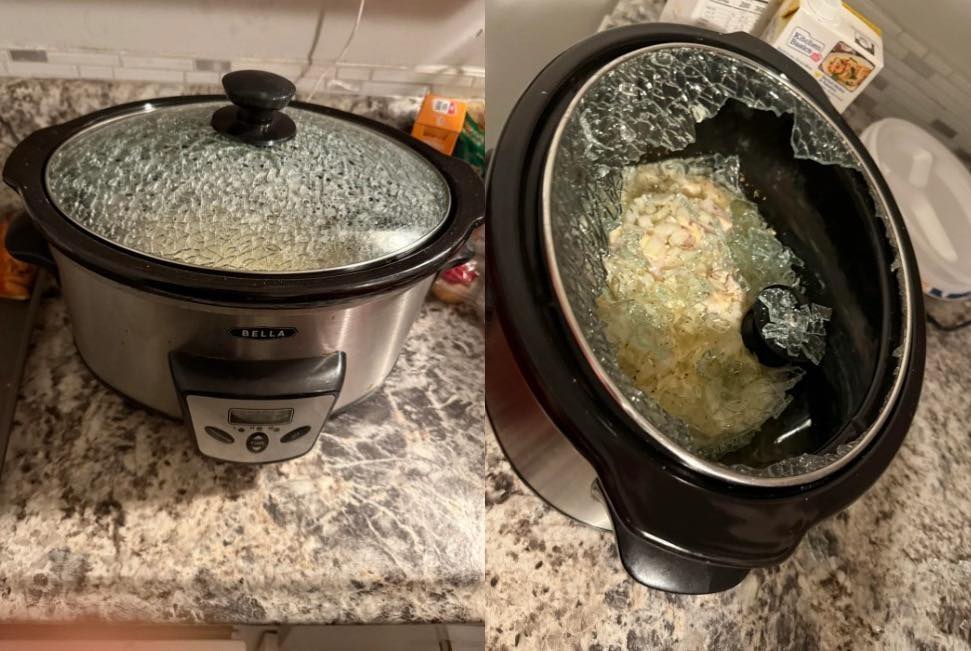
Slow cookers are a miracle for busy kitchens, letting you toss in ingredients and walk away—only to return hours later to a warm, home-cooked meal. But while this “set it and forget it” approach works wonders for soups, stews, and roasts, not all ingredients thrive in a crockpot. Some can turn your meal into a disappointment—or worse, make it unsafe to eat.
Let’s explore 11 foods you should never put in your slow cooker, along with smart workarounds to make sure your meals come out perfectly every time.
1. 🥛 Dairy Products
Examples: Milk, cream, yogurt, soft cheeses
The Problem: Long, slow heat causes dairy to separate or curdle, resulting in a grainy or oily mess.
The Fix: Stir in dairy during the last 30 minutes of cooking. For cheese, choose processed options like Velveeta or cream cheese, which melt better without splitting.
2. 🐟 Seafood
Examples: Shrimp, fish fillets, scallops
The Problem: Seafood cooks quickly, and hours in a slow cooker will make it rubbery, dry, or completely fall apart.
The Fix: Add seafood in the last 30–60 minutes, depending on size. For dishes like chowder, stir it in right before serving and let it cook just until opaque.
3. 🌿 Fresh Herbs
Examples: Basil, cilantro, parsley, dill
The Problem: Prolonged heat destroys the bright, fresh flavors of tender herbs and can make them bitter or mushy.
The Fix: Use dried herbs during the cooking process and garnish with fresh herbs right before serving.
4. 🍷 Alcohol (Unreduced)
Examples: Wine, beer, liquor
The Problem: Alcohol doesn’t evaporate properly in a slow cooker due to the sealed lid. This can leave your meal with a sharp, raw alcohol flavor.
The Fix: Simmer alcohol separately on the stovetop for a few minutes to burn off the sharpness, then add it to your slow cooker.
5. 🍗 Lean Meats (Without Enough Liquid)
Examples: Chicken breast, pork loin, turkey cutlets
The Problem: Lean cuts lack fat and collagen, making them prone to drying out and becoming tough or stringy when cooked too long.
The Fix: Use fattier cuts like chicken thighs or beef chuck roast. If using lean meat, ensure there’s plenty of liquid in the pot or cook on low for a shorter time.
6. 🍝 Pasta
The Problem: Pasta becomes mushy and overcooked in the long, moist environment of a slow cooker.
The Fix: Boil pasta separately and add it to your dish during the last 15–20 minutes of cooking, just long enough to soak up some flavor.
7. 🥦 Delicate Vegetables
Examples: Broccoli, zucchini, spinach, asparagus
The Problem: These veggies quickly turn into mush or disintegrate completely after hours of slow cooking.
The Fix: Add tender vegetables in the last 30 minutes to preserve texture and color. For greens like spinach, stir them in right before serving.
8. ❄️ Frozen Meat
The Problem: Frozen meat takes too long to reach a safe temperature in a slow cooker, potentially leaving it in the “danger zone” for bacteria.
The Fix: Always thaw meat in the refrigerator before adding it to your crockpot. This ensures it heats quickly and safely.
9. 🍳 Eggs (for Scrambles or Omelets)
The Problem: Eggs become rubbery and sulfurous when slow-cooked, and they can develop an off-putting texture.
The Fix: If you want eggs in your dish (like a breakfast casserole), use a recipe specifically developed for the slow cooker and cook on low for a short time.
10. 🥔 Starchy Vegetables (Without Prep)
Examples: Potatoes, sweet potatoes
The Problem: Large chunks of raw potato may cook unevenly or stay hard, especially if piled high in the pot.
The Fix: Cut starchy vegetables into uniform, small pieces. You can also parboil them first for quicker, more even cooking.
11. 🥒 Rice (Especially White or Quick-Cooking)
The Problem: Rice can easily become gummy, soggy, or undercooked, depending on the type and timing.
The Fix: Cook rice separately and stir it in at the end. If you must cook it in the crockpot, use long-grain or brown riceand follow a recipe designed for it.
Final Thoughts
While slow cookers are incredibly versatile, knowing which ingredients to add, avoid, or delay is key to cooking success. Whether you’re whipping up a hearty stew or a creamy casserole, these tips will help you make the most of your slow cooker—without sacrificing flavor or safety.
Avoiding these common mistakes ensures that your meals come out tender, delicious, and just as you imagined.