
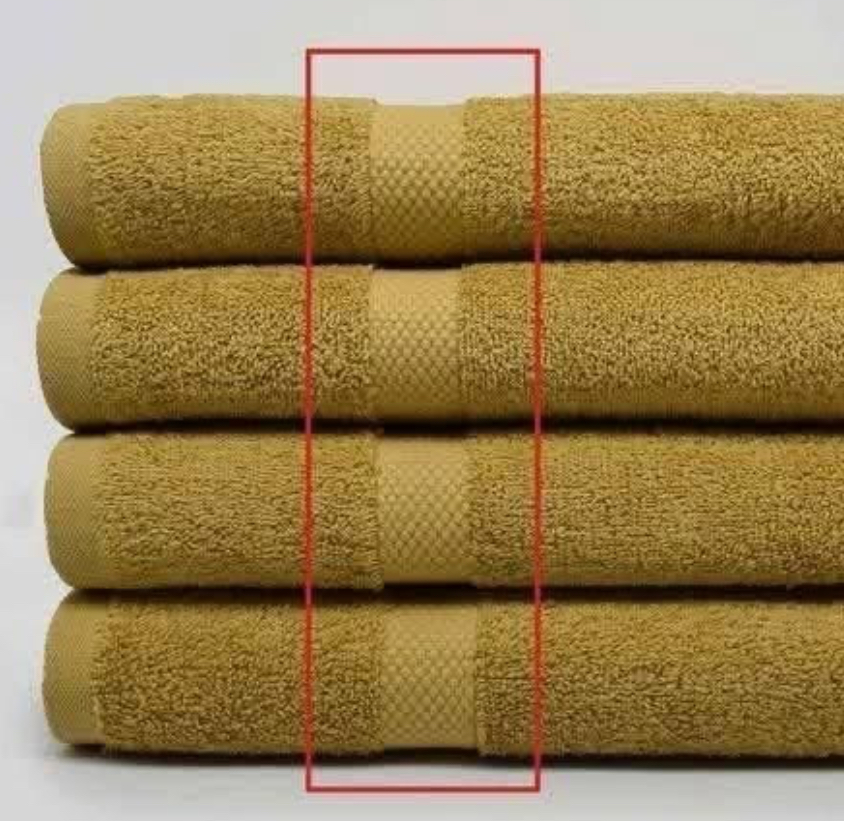
Bath towels are one of those household essentials we rarely give a second thought—until we find ourselves shopping for a new set or questioning why some seem to work better than others. One overlooked feature that plays a surprisingly vital role in both form and function? The lines or textured patterns woven into the fabric.
While they may appear to be mere decorative flourishes, these lines are the product of intentional design choices that significantly impact how well your towel performs and how long it lasts.
What Are These Lines, Really?
The subtle ridges, ribs, and textures on your towels are created during the weaving process, using techniques like:
-
Ribbing
-
Herringbone
-
Waffle weave
-
Jacquard or dobby patterns
These aren’t just for aesthetics. They’re a clever fusion of textile engineering and visual design—making your towels softer, more absorbent, and longer-lasting.
Enhanced Absorbency: More Than Just Fluff
One of the most important functions of these woven lines is to increase the surface area of the towel, allowing it to absorb more moisture.
How It Works:
-
Ribbed Lines: These vertical or horizontal ridges act like tiny channels, pulling water away from the skin.
-
Waffle Weave: A grid-like texture that enhances airflow while maximizing water absorption—plus it dries faster between uses.
-
Loop Density: Some towels alternate between smooth and textured areas to optimize drying efficiency.
Result: A towel that’s soft to the touch but highly effective, whether you’re stepping out of the shower or drying your hands after a quick wash.
Increased Durability: Built to Last
Let’s face it—towels go through a lot. From frequent washing to daily use, they’re under constant wear and tear. That’s where those lines come in handy.
Strength in Texture:
-
Reinforced Weaving: Areas with extra tension create raised textures that reduce fraying and unraveling over time.
-
Reduced Pilling: Textured patterns lower surface friction, meaning your towel won’t become covered in unsightly lint balls after a few washes.
This makes high-quality towels with visible texture a long-term investment, not just a short-term luxury.
Beauty Meets Function: Aesthetic Appeal
Of course, just because something is practical doesn’t mean it can’t look good too.
Textured lines, patterns, and weaves bring visual interest and elegance to even the most basic towel set. From minimalist stripes to intricate jacquard prints, the variety is endless. Brands often use these textures to:
-
Differentiate collections
-
Highlight premium quality
-
Complement interior design trends
Whether you want your bathroom to look spa-like and serene or bold and colorful, there’s a towel texture that suits your style.
🛁 Planning a bathroom renovation? Thoughtfully chosen towels can elevate your entire space.
Environmental Considerations: Subtle Impact, Big Difference
Believe it or not, the design of towel lines can even be better for the environment.
Here’s How:
-
Faster Drying = Less energy in the dryer
-
Higher Absorbency = Less water needed per use
-
Greater Durability = Less waste over time
By choosing well-designed towels, you’re also reducing your water and electricity use—a small step that adds up in the long run.
How to Choose a Better Towel
Here’s what to look for the next time you’re browsing the bath aisle:
✔ Textured Patterns
Ribbing, waffle weave, or herringbone can indicate higher absorbency and breathability.
✔ Even, Tight Weave
This suggests better durability and even wear over time.
✔ Soft Yet Sturdy Material
Look for 100% cotton or cotton blends that feel plush but resilient.
✔ Edge Reinforcement
Double-stitched hems help prevent fraying and unraveling.
Final Thoughts
The next time you reach for your towel, take a closer look. Those simple lines aren’t just a design choice—they’re the product of thoughtful craftsmanship. They help your towel soak up water faster, dry more efficiently, and last longer.
Whether you’re stocking up for your home, outfitting a guest bathroom, or choosing gifts, understanding the hidden purpose behind towel design gives you the power to make better choices—for your wallet, your home, and the planet.