
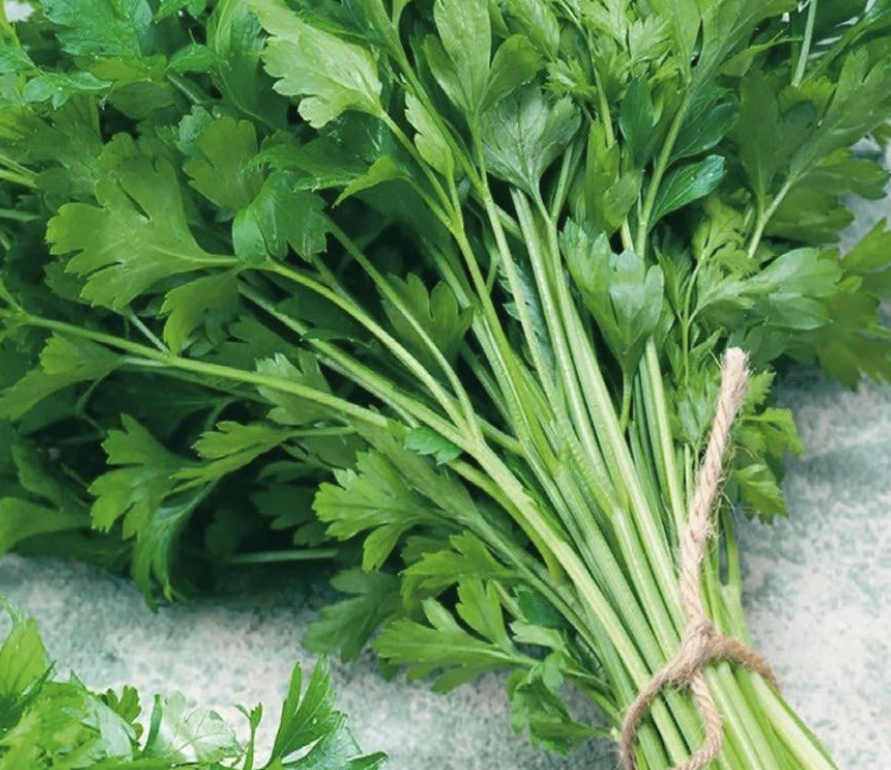
For centuries, traditional herbal medicine has offered powerful treatments for chronic and even deadly diseases. Among the most remarkable discoveries in recent decades is a plant that was once used to treat malaria — now showing great promise in the fight against cancer. That plant is Sweet Wormwood (Artemisia annua), and its secret weapon is a compound called artemisinin.
Originally hailed for its anti-malarial properties, artemisinin has gained international attention for its potential anti-cancer effects. In particular, research shows it may kill up to 86% of lung cancer cells under laboratory conditions — all while sparing healthy cells.
⚠️ Disclaimer: This article is for educational purposes only. Always consult a licensed healthcare provider before starting any herbal or complementary treatment, especially in relation to cancer or chronic illness.
What Is Sweet Wormwood (Artemisia Annua)?
Also known as Qing Hao in Traditional Chinese Medicine, Sweet Wormwood is a leafy, fern-like herb with a distinctive aroma and bitter taste. Native to Asia but now cultivated globally, the plant has been used for over 2,000 years for fevers, infections, and digestive issues.
The compound artemisinin is extracted from its leaves and has since been incorporated into modern medicine, especially as a treatment for malaria. But new research is revealing its powerful action against cancer cells, particularly those in the lungs.
How Artemisinin Works Against Lung Cancer Cells
Studies suggest that artemisinin targets cancer cells by taking advantage of their abnormally high iron content. Here’s how it works:
-
Cancer cells absorb more iron than healthy cells due to their rapid growth.
-
When artemisinin enters the body, it reacts with iron to create free radicals.
-
These free radicals destroy cancer cells from within, while largely leaving normal cells untouched.
Key Anti-Cancer Mechanisms of Artemisinin
-
Induces apoptosis (programmed cell death in cancer cells).
-
Inhibits angiogenesis, the formation of blood vessels that supply tumors.
-
Interrupts DNA replication and cellular metabolism in tumor cells.
-
Triggers oxidative stress, which cancer cells are particularly vulnerable to.
Research Spotlight
A study published in Life Sciences Journal found that artemisinin killed 86% of lung cancer cells in vitro within just 16 hours — a result that has sparked increased interest from oncologists and researchers around the world.
How to Prepare Traditional Sweet Wormwood Tea
If you’re looking to support your health naturally, Sweet Wormwood can be consumed as a herbal infusion or tea. This is one of the oldest and safest ways to benefit from its properties, especially when sourced from a reputable supplier.
🌿 Ingredients
-
1 teaspoon dried Sweet Wormwood leaves (or 1 tablespoon fresh leaves)
-
1 cup filtered water
-
Optional: 1 tsp raw honey or lemon slice to improve taste
✅ Tip: Look for organically grown Artemisia annua from trusted herbal stores or online apothecaries. Avoid ornamental wormwood varieties that are not safe for ingestion.
🧪 Step-by-Step Method
Step 1: Boil Water
Bring 1 cup of filtered water to a gentle boil.
Step 2: Steep the Leaves
Remove the water from heat and add the Sweet Wormwood leaves. Cover and steep for 5–7 minutes.
Step 3: Strain and Serve
Strain the tea into a cup. Add honey or lemon if desired to improve flavor.
Step 4: Drink Responsibly
Consume once daily for no longer than 7 consecutive days, unless directed by an herbalist or physician. Take breaks between cycles to avoid overexposure.
Safety and Considerations
While artemisinin shows promise, more human studies are needed before it can be widely recommended as a cancer treatment. Here are important guidelines:
-
Consult your doctor, especially if you’re undergoing chemotherapy or radiation.
-
Avoid during pregnancy or breastfeeding.
-
Not recommended for long-term use due to potential effects on liver enzymes and iron levels.
Final Thoughts
Sweet Wormwood (Artemisia annua) is a powerful medicinal plant with a long history — and a promising future. Its compound artemisinin has shown remarkable ability to target and destroy lung cancer cells in laboratory settings, offering hope as a potential complementary approach to cancer therapy.
While not a cure, incorporating traditionally prepared Sweet Wormwood tea may offer antioxidant, immune-boosting, and anti-inflammatory support for those seeking natural wellness strategies.
As always, consult a qualified health professional before using any herbs for therapeutic purposes — especially when dealing with serious illnesses like cancer.