
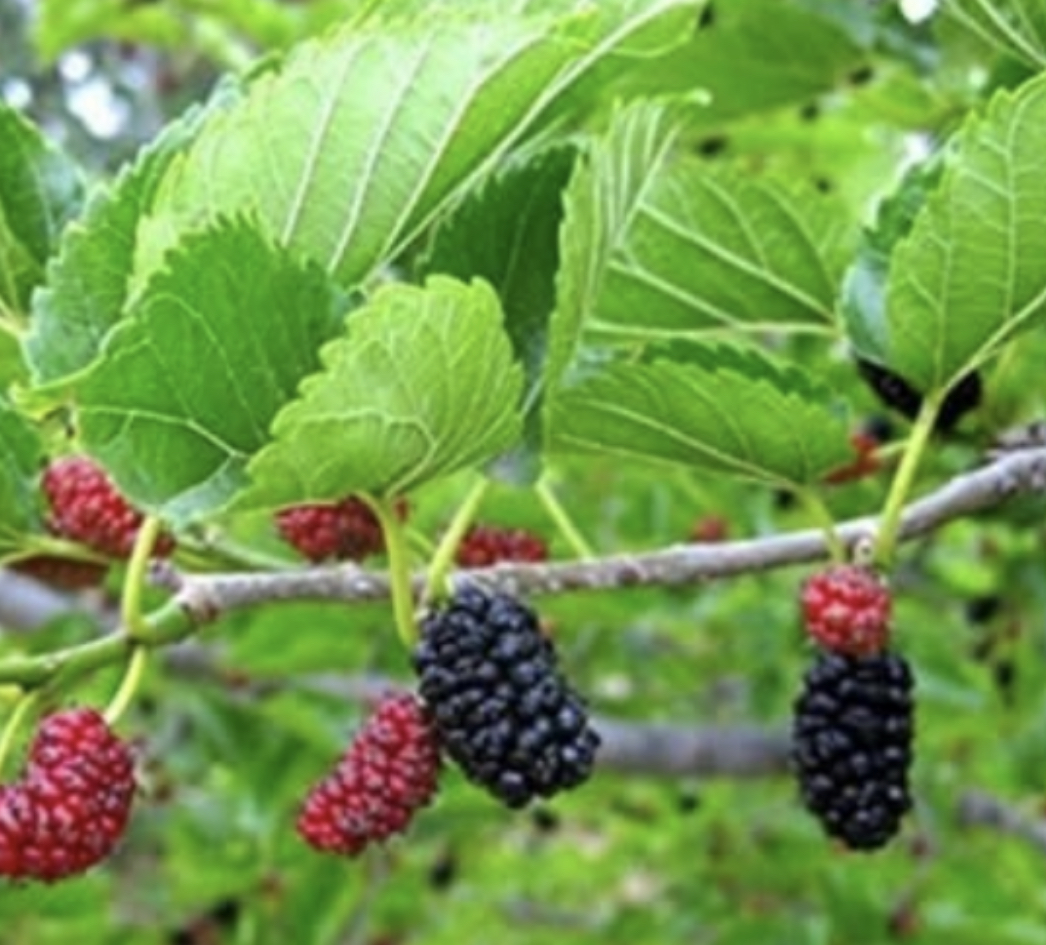
A common plant growing in gardens, hedges, and even trees might hold surprising health benefits. Known for centuries in herbal medicine, this plant has gained renewed attention for its potential to support the body in managing tumors, diabetes, and high blood pressure. The plant in question is mistletoe, specifically the species Viscum album.
While mistletoe is often associated with winter holidays, it’s also used in traditional European medicine and has been studied for its biological effects in modern science.
What Is Mistletoe?
Mistletoe (Viscum album) is a semi-parasitic plant that grows on trees like oak, apple, and pine. Its leathery green leaves and white berries have long symbolized healing and vitality. In traditional systems, it has been used as a remedy for seizures, inflammation, and circulatory problems.
Health Benefits Under Investigation
Tumor-Fighting Properties
Mistletoe extract has been used in Europe as a complementary cancer therapy for decades. In laboratory studies, compounds in mistletoe have shown the ability to:
-
Stimulate immune cells like T-cells and natural killer (NK) cells
-
Trigger apoptosis (cell death) in tumor cells
-
Inhibit tumor blood vessel formation (anti-angiogenesis)
These effects are most studied with injectable mistletoe extracts, not teas or oral supplements.
Support for Diabetes
Some early studies in animals have shown that mistletoe extracts can help:
-
Regulate blood glucose levels
-
Stimulate insulin release
-
Improve pancreatic function
Although promising, more research is needed to confirm these effects in humans. Mistletoe is not a substitute for medical diabetes treatment.
Blood Pressure Regulation
Traditional use suggests mistletoe may help lower mild hypertension symptoms, such as:
-
Headaches
-
Nervous tension
-
Dizziness
These effects may be due to compounds that support the nervous system and blood vessel relaxation. However, modern research on mistletoe and blood pressure is still limited.
How to Use Mistletoe Safely
Traditional Tea Preparation
-
Use 1 teaspoon of dried mistletoe leaves per cup of water
-
Steep in cold water overnight, then gently warm
-
Drink one cup in the morning and one in the evening
Note: The berries should never be consumed. Always use the leaves from a reputable herbal source.
Modern Extracts
In Europe, mistletoe extracts are available by prescription and are administered under the guidance of a trained medical professional. These forms are standardized and monitored for safety.
Safety Precautions
-
Mistletoe is toxic in large amounts, especially the berries
-
It should never be used during pregnancy or breastfeeding
-
People on blood pressure, heart, or diabetes medication should consult a doctor before using
-
Self-treatment for cancer or other serious illnesses is not recommended
Final Thoughts
Mistletoe may be a plant of surprising power, with historical and modern support for its potential health benefits. However, like all herbal remedies, it should be approached with caution and respect. Used wisely and under guidance, mistletoe may offer support to those seeking natural options to complement conventional treatment.