
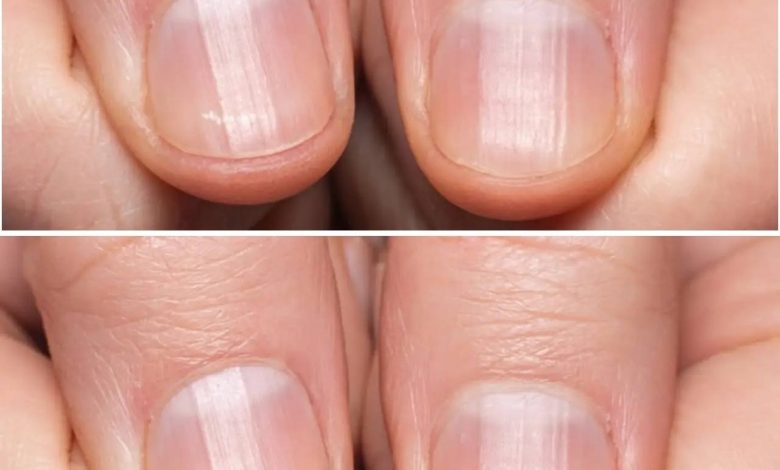
Have you ever looked closely at your nails and noticed faint lines, grooves, or stripes? While they may seem harmless or purely cosmetic, these subtle marks can sometimes reveal important clues about your health. From simple hydration needs to more serious medical concerns, striped nails are worth understanding.
Let’s take a closer look at what different types of nail stripes might be trying to tell you — and when it’s time to take action.
1. Vertical Ridges: Often a Normal Part of Aging
Fine, vertical lines running from the base to the tip of your nail are usually nothing to worry about. These are called vertical ridges and are incredibly common.
What It Could Mean:
-
Natural Aging: As we age, our nail growth tends to slow and become uneven. This often leads to the formation of harmless vertical ridges.
-
Mild Dehydration: Not drinking enough water can subtly affect the appearance and texture of your nails.
-
Nutrient Deficiency: A lack of essential nutrients like biotin, iron, or zinc may contribute to ridges, as these nutrients are vital for healthy nail formation.
What to Do:
-
Drink plenty of water throughout the day.
-
Eat a balanced diet rich in vitamins and minerals.
-
Consider taking a multivitamin or biotin supplement after consulting with a doctor.
-
Use a gentle nail buffer to smooth out ridges if desired, but avoid over-buffing to prevent thinning the nail.
2. Horizontal Ridges (Beau’s Lines): A Sign to Pay Attention To
Unlike vertical ridges, horizontal lines that span across your nails — known as Beau’s lines — may signal a disruption in your body’s systems.
What It Could Mean:
-
Recent Illness or Stress: These ridges can appear after a severe illness, high fever, or intense emotional stress, all of which can pause nail growth.
-
Nutritional Deficiencies: Low levels of zinc, iron, or protein may result in these noticeable horizontal marks.
-
Underlying Conditions: Beau’s lines may also be linked to more serious conditions like thyroid disorders, diabetes, or circulatory issues.
What to Do:
-
Speak with a healthcare provider to rule out underlying health concerns.
-
Prioritize a diet rich in essential nutrients to support nail regrowth.
-
Keep nails trimmed and moisturized to prevent further damage during recovery.
3. White Stripes or Spots: Mineral Imbalances or More
Seeing small white lines or patches on your nails? These could be signs of minor deficiencies — or, in rare cases, indicators of deeper issues.
What It Could Mean:
-
Zinc or Protein Deficiency: These nutrients play a crucial role in nail health. A lack of either can cause white discoloration.
-
Liver or Kidney Concerns: In some cases, persistent white stripes may be connected to liver or kidney health problems.
What to Do:
-
Add more zinc-rich foods like pumpkin seeds, chickpeas, and seafood to your meals.
-
Increase your intake of lean proteins such as chicken, eggs, or lentils.
-
If the spots persist or multiply, consult a healthcare provider to explore further testing.
4. Dark Stripes or Discoloration: Don’t Ignore It
Dark, vertical stripes — especially new or changing ones — should always be checked out by a medical professional.
What It Could Mean:
-
Melanonychia: This condition involves increased melanin (pigment) in the nail. It can be harmless, but still warrants evaluation.
-
Nail Melanoma: Though rare, dark stripes under the nail may indicate a serious skin cancer called subungual melanoma.
What to Do:
-
Contact a dermatologist or doctor right away to assess any dark stripes, especially if they appear suddenly or change in appearance.
-
Watch for changes in color, width, or shape and share these details with your doctor.
5. Brittle Nails with Stripes: Hormonal or Thyroid Clues
If your nails are striped, grooved, and prone to breakage, your hormones or thyroid may be at play.
What It Could Mean:
-
Hypothyroidism: An underactive thyroid can lead to brittle nails with ridges, along with fatigue, hair loss, or weight gain.
-
Hormonal Changes: Shifts due to menopause, pregnancy, or other imbalances may also affect nail health.
What to Do:
-
Have your thyroid function tested if you’re experiencing additional symptoms.
-
Stay consistent with prescribed medications for any diagnosed condition.
-
Maintain a healthy, balanced diet to support your body’s hormonal systems.
General Tips for Healthy, Strong Nails
-
Moisturize Regularly: Use cuticle oils and nourishing hand creams to lock in hydration.
-
Protect Your Nails: Avoid harsh chemicals and don’t over-file or bite your nails.
-
Eat for Nail Health: Include biotin, iron, zinc, omega-3s, and protein in your meals.
-
Drink Water: Hydration supports overall health, including your nails.
-
Stay Aware: Monitor any new changes in your nails and consult a healthcare provider if needed.
When to See a Doctor About Your Nails
While many nail changes are harmless, don’t ignore symptoms like:
-
Persistent discoloration or dark lines
-
Horizontal ridges appearing on multiple nails
-
Brittle nails paired with fatigue, hair loss, or weight changes
-
Any sudden or dramatic change in nail appearance
These may be signs of deeper health issues that require medical evaluation.
Final Thoughts
Your nails are more than just a surface for polish — they’re tiny health indicators. From aging to nutrition to hormonal balance, striped nails can tell you a lot about what’s happening inside your body. By paying attention to the signs and acting early, you can support both your nail health and your overall well-being.
Have you noticed any changes in your nails recently? Share your experience or tips in the comments — your story might help someone else!