
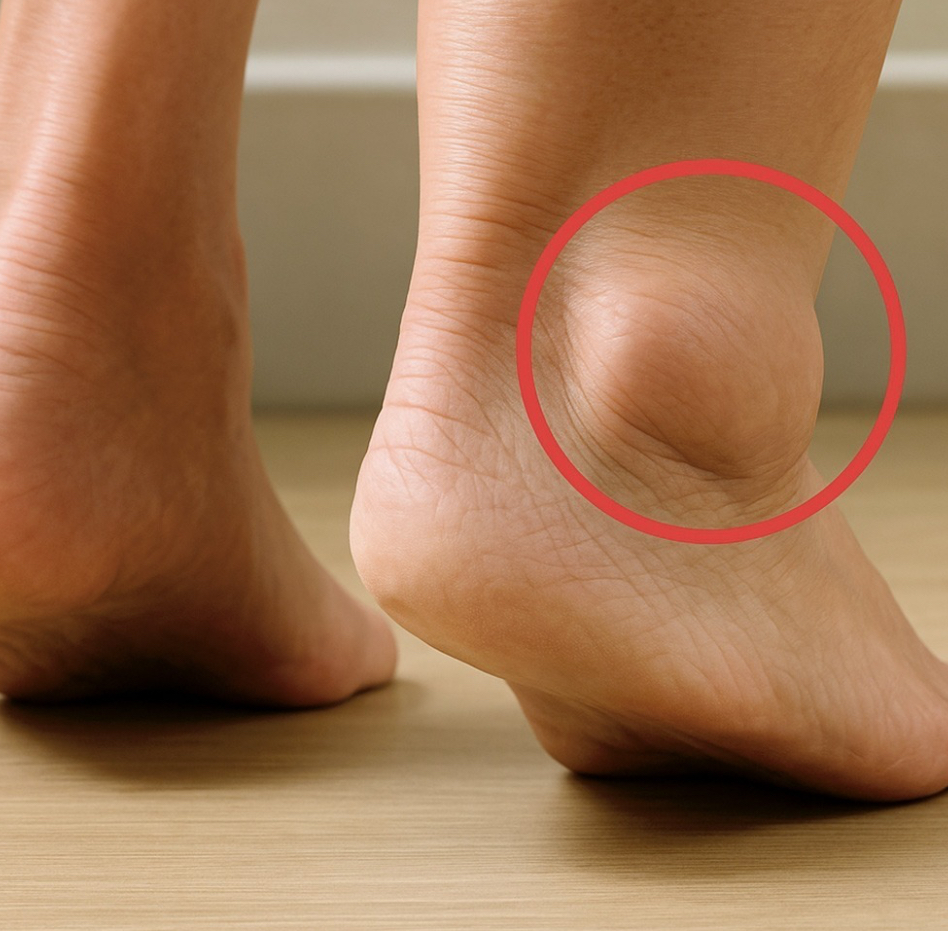
You come home after a long day, slip off your shoes—and notice your feet look puffier than usual. They might feel sore, tight, or heavy. Don’t panic! Swollen legs and feet are surprisingly common and, in many cases, can be eased with simple lifestyle adjustments and home remedies.
Here’s what’s happening in your body—and what you can do to feel better, naturally.
Why Do Legs and Feet Swell?
Swelling, medically known as edema, occurs when fluid collects in the tissues of your lower body. This can happen for several reasons:
-
Heat exposure: Warmer temperatures dilate blood vessels, allowing fluids to leak into surrounding tissue.
-
Standing or sitting too long: Gravity makes it harder for blood to return to the heart, causing fluid buildup in the legs and feet.
-
Poor circulation: Often linked to conditions like varicose veins or venous insufficiency.
-
Excess salt intake: High sodium levels cause the body to retain water.
-
Pregnancy: Hormonal changes and pressure on veins contribute to swelling.
-
Side effects of medications: Such as blood pressure drugs, steroids, or antidepressants.
-
Dehydration: Ironically, not drinking enough water can cause your body to hold onto fluids.
In most cases, this type of swelling is harmless and temporary. However, if you also experience pain, redness, fever, or the swelling doesn’t go away—it’s important to consult a healthcare provider. Persistent swelling may be a sign of heart failure, kidney disease, or deep vein thrombosis (DVT).
Natural Ways to Reduce Swelling in Legs and Feet
If your swelling is occasional or due to lifestyle habits, these natural remedies can help bring quick relief:
1. Cold Compress for Quick Relief
Wrap a cold pack or ice in a towel and apply to the swollen area for 15–20 minutes. Cold constricts blood vessels, reduces inflammation, and relieves discomfort—especially after being on your feet all day.
2. Elevate Your Legs
Use pillows or props to raise your legs above heart level for 20–30 minutes a few times a day. Elevation improves circulation and allows trapped fluid to drain back toward your core.
3. Soothing Warm Foot Bath (with Epsom Salt)
Soak your feet in warm water with 1–2 tablespoons of Epsom salt for 15 minutes. The magnesium in Epsom salt helps draw out excess fluid and soothes tired muscles.
Pro Tip: Add a few drops of essential oils like lavender or peppermint for extra relaxation.
4. Gentle Movement or Exercise
Inactivity can worsen swelling. Try low-impact activities like walking, swimming, or yoga to get blood flowing and reduce fluid retention.
5. Watch Your Salt Intake
Too much salt causes water retention. Aim to consume less than 2,300 mg of sodium per day (or less, if advised by your doctor). Avoid processed foods, salty snacks, and restaurant meals when possible.
6. Hydrate, Hydrate, Hydrate
It might sound backward, but drinking more water helps flush out excess sodium and reduces swelling. Aim for 6–8 glasses per day, unless advised otherwise by your doctor.
7. Try Compression Socks
These snug-fitting socks improve circulation and prevent fluid from pooling in your lower limbs. They’re especially useful for people who sit or stand for long periods—or for travel.
When to See a Doctor
While swelling in the legs and feet is often benign, see a healthcare provider if you notice:
-
Swelling in one leg only
-
Sudden or severe swelling
-
Redness, warmth, or pain
-
Shortness of breath or chest pain
These symptoms could point to serious medical conditions like blood clots, infection, or cardiovascular issues.
Final Thoughts
Swollen legs and feet might be uncomfortable—but understanding the cause and using simple, natural remedies can bring quick relief. Whether it’s elevating your legs, soaking in a warm bath, or staying hydrated, small changes can make a big difference.
Looking to prevent swelling long-term? Prioritize movement, hydration, and circulation-friendly habits—your body will thank you.