
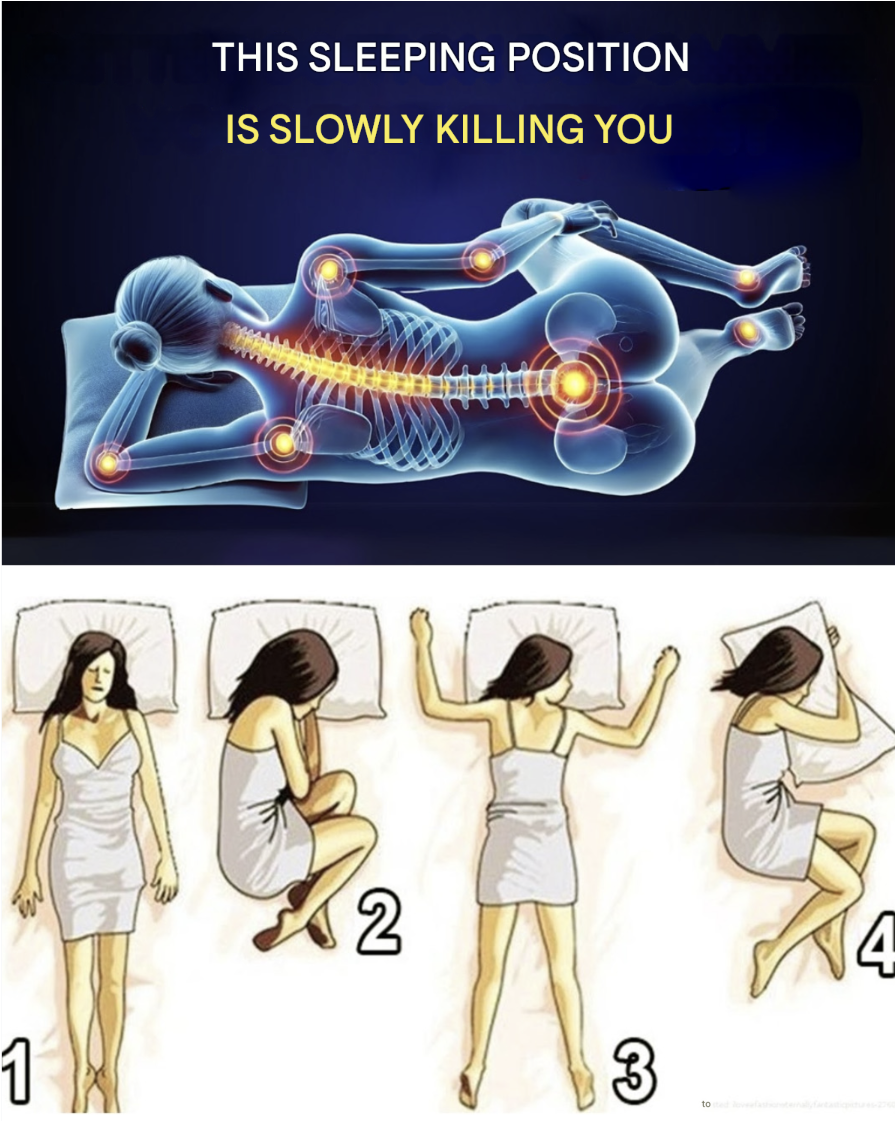
The Most Dangerous Sleeping Position You Never Knew You Had
Introduction
We spend nearly one-third of our lives sleeping, but did you know that the position you sleep in could be harming your health? While some sleeping positions are better for posture, breathing, and circulation, others can secretly contribute to back pain, snoring, acid reflux, and even heart strain.
One common position is considered the most dangerous — and you might not even realize you’re doing it.
Why Sleeping Position Matters
Your sleeping posture directly affects:
-
Spinal alignment and back/neck pain
-
Breathing patterns and risk of snoring or sleep apnea
-
Circulation and pressure on the heart
-
Digestive health and acid reflux
-
Skin health (wrinkles and puffiness)
Choosing the wrong position can worsen these issues over time.
The Most Dangerous Sleeping Position: The Stomach (Prone) Position
Sleeping on your stomach might feel cozy, but it’s one of the worst positions for your body:
1. Strains the Neck and Spine
-
Forces your neck to twist unnaturally for hours
-
Flattens the natural curve of your spine, leading to pain and stiffness
2. Restricts Breathing
-
Compresses the chest and lungs, making breathing less efficient
-
Can worsen symptoms of sleep apnea and snoring
3. Increases Pressure on Organs
-
Adds unnecessary pressure on internal organs, especially the stomach and lungs
4. Contributes to Nerve Compression
-
Can cause tingling, numbness, or “pins and needles” in arms and legs
Better Sleeping Positions for Health
Side Sleeping (Best for Most People)
-
Reduces acid reflux and snoring
-
Supports spinal alignment (especially with a pillow between knees)
-
Recommended for pregnant women (especially left side for better circulation)
Back Sleeping (Good with Support)
-
Evenly distributes weight and supports spine
-
Best with a supportive pillow under head and knees
-
Not ideal for snorers or those with sleep apnea
Tips to Improve Sleeping Posture
-
Use a firm pillow that supports neck alignment
-
Place a body pillow or rolled towel to prevent rolling onto stomach
-
Invest in a medium-firm mattress for spinal support
-
Practice stretching in the morning to ease stiffness
When to Seek Medical Advice
If you experience:
-
Chronic neck or back pain
-
Persistent snoring or breathing interruptions
-
Numbness or tingling upon waking
Consult a healthcare provider or sleep specialist for evaluation.
Conclusion
Your sleeping position can make a huge difference in your long-term health and comfort. While stomach sleeping may feel comfortable, it’s considered the most dangerous due to its impact on the spine, breathing, and circulation.
Switching to side or back sleeping — with proper pillow and mattress support — can dramatically improve your quality of sleep and reduce health risks.