
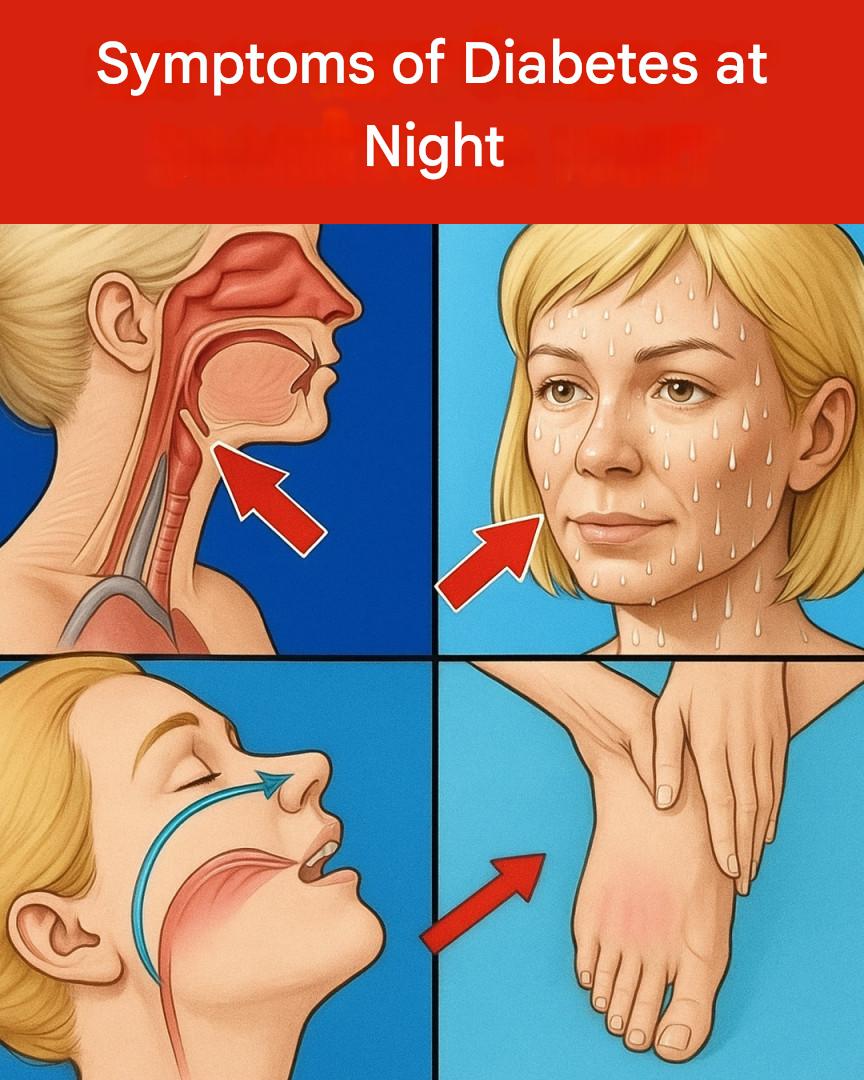
5 Diabetes Symptoms That Appear at Night – What You Need to Know
Diabetes is a condition that affects millions of people worldwide, and while many symptoms appear during the day, there are also warning signs that become more noticeable at night. Recognizing these symptoms early can help you manage your health and prevent complications. Here are five common diabetes symptoms that often appear at night and what they mean for your health.
1. Frequent Nighttime Urination (Nocturia)
One of the most common signs of diabetes at night is the need to urinate frequently. High blood sugar levels force the kidneys to work harder to filter and absorb excess glucose, leading to increased urination. If you find yourself waking up several times to use the bathroom, it may be a sign to check your blood sugar levels.
2. Excessive Thirst at Night
Waking up in the middle of the night with an unquenchable thirst is another diabetes symptom. Because frequent urination dehydrates the body, people with diabetes often feel extremely thirsty, even after drinking water. Persistent nighttime thirst should not be ignored.
3. Night Sweats
Low blood sugar (hypoglycemia), especially in people taking insulin or certain diabetes medications, can cause night sweats. This happens when blood sugar drops too low during sleep, triggering the body to release stress hormones that lead to sweating.
4. Trouble Sleeping and Restlessness
High or low blood sugar levels can disrupt sleep patterns. Some people experience restless legs, discomfort, or unexplained tossing and turning at night. Poor sleep quality may worsen blood sugar control, creating a cycle that can be difficult to break.
5. Tingling or Numbness in Feet and Hands
Diabetic neuropathy, or nerve damage caused by prolonged high blood sugar, often worsens at night. Many people report tingling, burning, or numbness in their feet and hands when trying to sleep. This can be uncomfortable and may signal the progression of diabetes-related nerve damage.
When to See a Doctor
If you experience any of these symptoms frequently, it’s important to talk to a healthcare professional. Early diagnosis and proper management can help prevent complications such as nerve damage, kidney disease, or cardiovascular problems.
Key Takeaway
Recognizing diabetes symptoms that appear at night—such as frequent urination, excessive thirst, night sweats, restless sleep, and tingling in the extremities—can help you take control of your health. Don’t ignore these warning signs; they may be your body’s way of alerting you to a serious condition.