
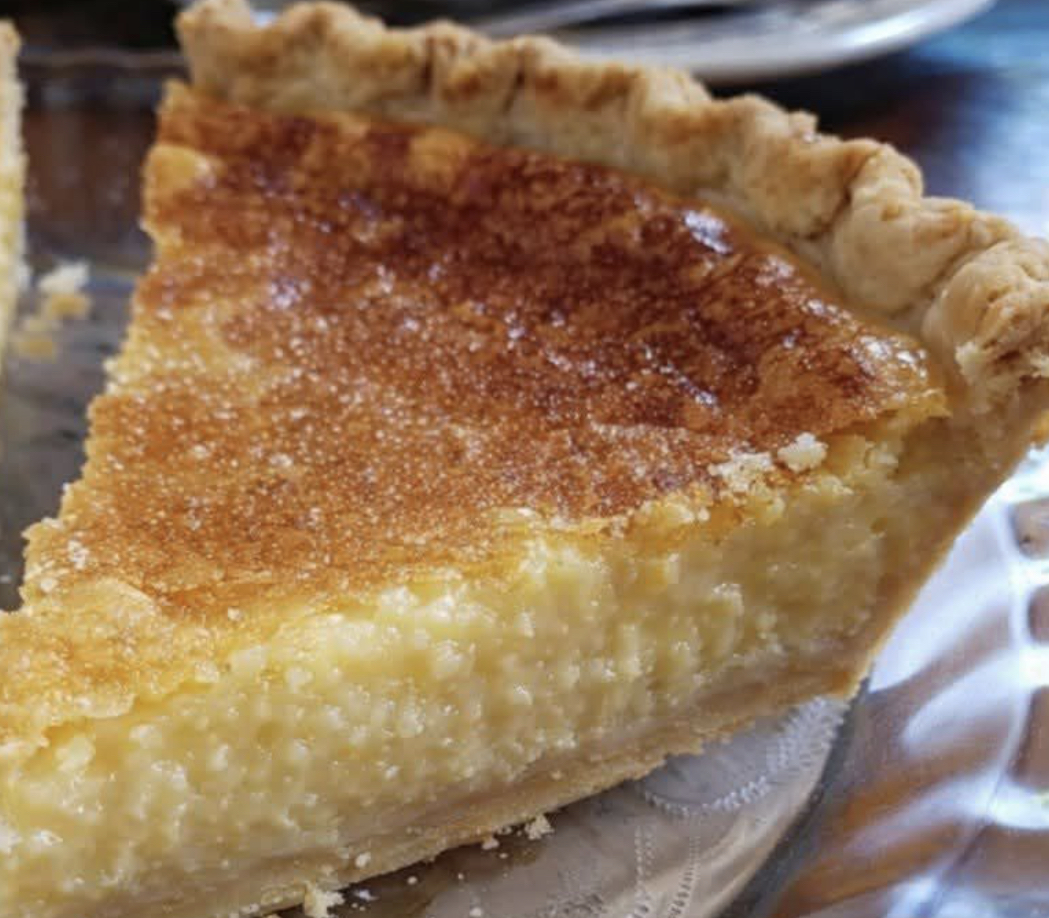
There are some desserts that feel like a warm embrace. Buttermilk pie is one of them. With its silky, custard-like filling, golden-brown top, and simple, honest ingredients, this pie has been a beloved staple in Southern kitchens for generations. It is the kind of dessert that evokes memories of Sunday dinners, holiday gatherings, and the comforting aroma of something baking in the oven.
What makes buttermilk pie so special is its ability to transform humble pantry staples into something truly extraordinary. Sugar, butter, eggs, and buttermilk come together in a single pie crust to create a filling that is simultaneously tangy and sweet, rich yet light. The result is a dessert that is elegant in its simplicity and deeply satisfying in every bite.
If you have never tried buttermilk pie before, prepare to be delighted. If you are already a fan, this recipe will remind you why it has earned a permanent place in the dessert rotation.
Why You Will Love This Recipe
-
Simple Ingredients: This recipe uses basic ingredients you likely already have in your kitchen—no specialty items required.
-
Incredible Texture: The filling bakes into a smooth, silky custard with a slightly crackly top that is absolutely irresistible.
-
Perfect Balance of Flavors: The tang of buttermilk cuts through the sweetness, creating a perfectly balanced pie that is never cloying.
-
Easy to Make: With straightforward steps and no complicated techniques, this pie comes together beautifully even for beginner bakers.
-
A True Southern Classic: This recipe honors the tradition of Southern buttermilk pie, delivering authentic flavor and comfort in every slice.
Buttermilk Pie
Prep Time: 15 minutes | Bake Time: 45 to 55 minutes | Total Time: 1 hour
Servings: 8
This classic buttermilk pie features a smooth, tangy custard filling baked in a flaky pie crust. The filling is simple to prepare and bakes to a beautiful golden brown with a slightly crackled top. Serve it as-is or with a dollop of whipped cream and fresh berries for an extra touch.
Ingredients
For the Crust:
-
1 unbaked 9-inch pie crust (homemade or store-bought)
For the Filling:
-
1¾ cups granulated sugar
-
½ cup (1 stick) unsalted butter, softened to room temperature
-
3 large eggs, at room temperature
-
3 tablespoons all-purpose flour
-
1 cup buttermilk, at room temperature
-
1 teaspoon vanilla extract
-
¼ teaspoon salt
-
¼ teaspoon ground nutmeg (optional, for garnish)
Instructions
-
Preheat and Prepare Crust: Preheat your oven to 350°F (175°C). If using a store-bought pie crust, follow package instructions if pre-baking is recommended. For a homemade crust, roll it out and fit it into a 9-inch pie dish. Crimp or flute the edges as desired. Place the crust in the refrigerator while you prepare the filling.
-
Cream Butter and Sugar: In a large mixing bowl, beat the softened butter and granulated sugar together with an electric mixer on medium speed until light and fluffy, about 2 to 3 minutes. The mixture should be pale in color and well combined.
-
Add Eggs: Add the eggs one at a time, beating well after each addition. Scrape down the sides of the bowl as needed to ensure even mixing.
-
Add Dry Ingredients: Sprinkle the flour and salt over the butter mixture. Beat on low speed until just combined. Do not overmix.
-
Add Buttermilk and Vanilla:Gradually add the buttermilk and vanilla extract, mixing on low speed until the batter is smooth and well combined. The mixture will be thin and pourable—this is correct.
-
Pour into Crust: Remove the prepared pie crust from the refrigerator. Pour the filling into the unbaked pie crust, spreading it evenly.
-
Bake: Place the pie on the center rack of the preheated oven. Bake for 45 to 55 minutes, or until the edges are set and the center is slightly jiggly but no longer liquid. The top should be golden brown and may have a lightly crackled appearance.
-
Cool: Remove the pie from the oven and place it on a wire rack to cool completely. The filling will continue to set as it cools. Allow at least 2 to 3 hours for the pie to reach room temperature before slicing.
-
Serve: Once cooled, slice and serve. If desired, dust with ground nutmeg or serve with fresh berries and whipped cream.
Tips for the Perfect Buttermilk Pie
-
Use Room Temperature Ingredients:Allowing the butter, eggs, and buttermilk to come to room temperature before mixing ensures they incorporate smoothly, resulting in a silky, lump-free custard.
-
Do Not Overmix: Once you add the flour, mix just until combined. Overmixing can incorporate too much air, which may cause the pie to puff up and then collapse.
-
Check for Doneness: The pie is done when the edges are set and the center has a slight jiggle—similar to the texture of cheesecake. A toothpick inserted near the center should come out mostly clean.
-
Cool Completely: Buttermilk pie needs time to set. Allow it to cool completely at room temperature before slicing. Refrigerating for a few hours after cooling can make for even cleaner slices.
-
Prevent Over-Browning: If the edges of your crust are browning too quickly, cover them with aluminum foil or a pie crust shield halfway through baking.
The History of Buttermilk Pie
Buttermilk pie is a quintessential Southern dessert with roots that stretch back to early American settlers. Buttermilk—the slightly sour liquid left behind after churning butter—was a common household ingredient in rural communities, where nothing went to waste. Resourceful home cooks discovered that combining buttermilk with sugar, eggs, and butter created a custard pie that was both economical and delicious.
The recipe gained popularity across the American South, where it became a staple at church suppers, family reunions, and holiday tables. Unlike more elaborate pies that required seasonal fruits or imported ingredients, buttermilk pie could be made any time of year with ingredients that were always on hand. Today, it remains a beloved classic, celebrated for its simple charm and timeless flavor.
Variations and Additions
-
Lemon Buttermilk Pie: Add 1 tablespoon of lemon zest and 2 tablespoons of fresh lemon juice to the filling for a bright, citrusy twist.
-
Coconut Buttermilk Pie: Fold in ½ cup of sweetened shredded coconut before pouring the filling into the crust. Sprinkle additional coconut on top before baking.
-
Spiced Buttermilk Pie: Add ½ teaspoon of ground cinnamon and ¼ teaspoon of ground nutmeg to the filling for warm, aromatic notes.
-
Buttermilk Chess Pie: For a richer, denser texture, increase the butter to ¾ cup and add 1 tablespoon of cornmeal along with the flour.
-
Gluten-Free Version: Use a gluten-free pie crust and substitute the all-purpose flour with a gluten-free 1:1 baking flour blend.
What to Serve with Buttermilk Pie
Buttermilk pie is delicious on its own, but it pairs beautifully with:
-
Fresh berries such as strawberries, raspberries, or blueberries
-
A dollop of lightly sweetened whipped cream
-
A scoop of vanilla bean ice cream
-
A drizzle of caramel or berry sauce
-
A cup of hot coffee or strong black tea
Storage and Freezing
-
Room Temperature: Buttermilk pie can be stored at room temperature for up to 2 days. Cover loosely with foil or place under a cake dome to protect it.
-
Refrigerator: Store in the refrigerator for up to 5 days. The pie is delicious served chilled or brought to room temperature before serving.
-
Freezer: Buttermilk pie freezes well. Wrap the cooled pie tightly in plastic wrap, then in aluminum foil, and freeze for up to 3 months. Thaw overnight in the refrigerator before serving.
Why This Recipe Works
This buttermilk pie recipe achieves the perfect balance of tangy and sweet, with a silky custard texture that sets beautifully without becoming dense or rubbery. Creaming the butter and sugar together creates a light base, while room temperature ingredients ensure a smooth emulsion. The addition of a small amount of flour provides just enough structure to hold the custard together without weighing it down.
Baking at 350°F allows the pie to cook gently, setting the edges while leaving the center with that characteristic slight jiggle that firms up as it cools. The result is a pie that slices cleanly, tastes perfectly balanced, and delivers the authentic flavor of a true Southern classic.
Conclusion
Buttermilk pie is proof that simple ingredients, when handled with care, can create something truly memorable. This recipe honors the tradition of Southern baking while delivering a dessert that is approachable for home cooks of all skill levels. The silky custard, the golden crust, the perfect balance of tang and sweetness—it all comes together in a pie that feels both nostalgic and timeless.
I hope this buttermilk pie becomes a cherished recipe in your kitchen. Whether you are making it for a holiday gathering, a Sunday dinner, or simply because you deserve something sweet, it is sure to bring comfort and joy to everyone who takes a slice.