
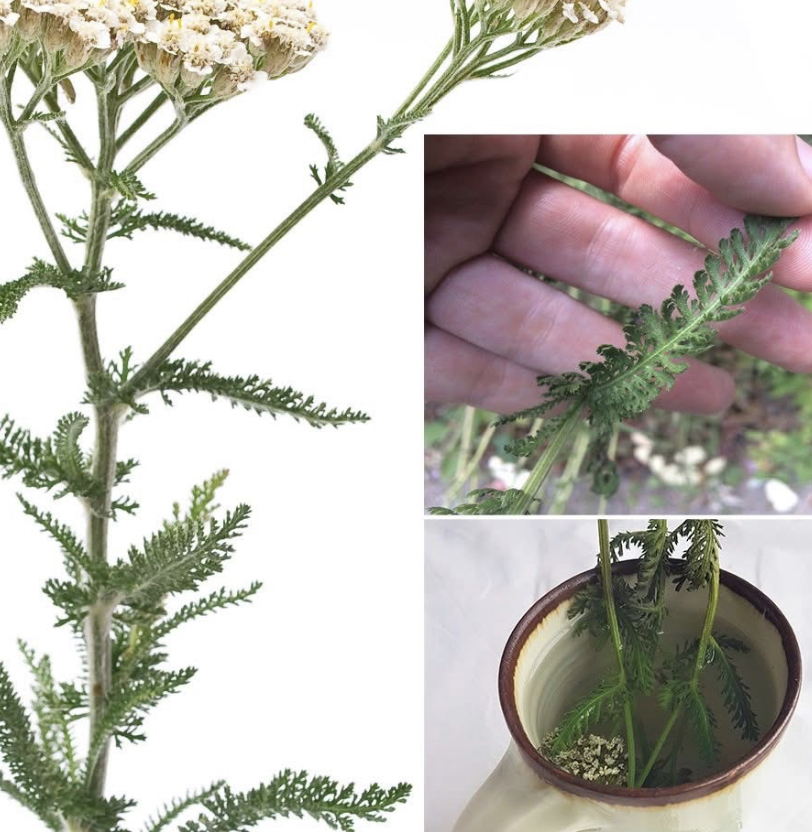
Yarrow is one of nature’s most remarkable medicinal plants. For centuries, it has been revered across cultures for its powerful healing properties, from stopping battlefield wounds to soothing digestive discomfort. Known by many names—Soldier’s Woundwort, Milfoil, Nosebleed Plant—this unassuming roadside herb holds a wealth of therapeutic potential. In this comprehensive guide, we will explore everything you need to know about yarrow: its history, medicinal properties, health benefits, preparation methods, safety considerations, and cultural significance.
Botanical Overview
Scientific Name: Achillea millefolium
Common Names: Yarrow, Milfoil, Soldier’s Woundwort, Nosebleed Plant, Thousand-leaf, Carpenter’s Weed
Family: Asteraceae (Daisy family)
Habitat: Widely distributed in temperate regions of North America, Europe, and Asia. Found in grasslands, roadsides, meadows, and gardens.
Plant Description:
-
Height: Typically 30–90 cm (1–3 feet)
-
Flowers: Small, tightly clustered, usually white or pale pink with a yellow center
-
Leaves: Feathery, finely divided, often described as “fern-like”
-
Stem: Erect, sometimes slightly hairy
Yarrow is easily recognizable by its delicate, feathery leaves and flat-topped clusters of tiny flowers. It blooms from early summer through autumn and is a common sight in meadows, along roadsides, and in wild gardens.
Historical and Traditional Uses
Yarrow has been revered since ancient times for its powerful healing properties. Its history spans millennia and crosses continents:
-
Ancient Greece: Legend says the hero Achilles used yarrow to treat the wounds of his soldiers during the Trojan War, hence the genus name Achillea. The species name millefolium (thousand-leaf) refers to its finely divided foliage.
-
Native American Medicine:Indigenous peoples across North America used yarrow extensively for fever, digestive issues, skin wounds, and to stop bleeding. It was often applied as a poultice or brewed into tea.
-
European Folk Medicine:Traditionally used for colds, fevers, digestive support, and as a general tonic. It was also a common “bitter” herb used to stimulate appetite and digestion.
-
Medieval Period: Yarrow was carried as a charm for protection and used in “love divinations.” Young women would place yarrow under their pillows to dream of their future spouses.
-
Traditional Chinese Medicine:Yarrow has been used to support liver health and regulate menstrual flow.
Medicinal Properties
Yarrow is considered a versatile herbal remedy with a wide range of therapeutic actions:
| Property | Description |
|---|---|
| Anti-inflammatory | Reduces inflammation throughout the body |
| Antimicrobial | Helps fight bacteria and prevent infection |
| Astringent | Tones and tightens tissues, useful for wounds and skin issues |
| Diaphoretic | Induces sweating, helpful for breaking fevers |
| Hemostatic | Stops bleeding, both internal and external |
| Digestive stimulant | Improves digestion and relieves bloating |
| Vulnerary | Promotes wound healing |
Health Benefits of Yarrow
1. Wound Healing
Yarrow’s most famous use is for wounds. Used topically, it stops bleeding and promotes the healing of cuts, abrasions, and ulcers. The plant contains alkaloids like achilleine, which contribute to blood clotting. A poultice of fresh leaves can be applied directly to a wound to stem bleeding and prevent infection.
2. Cold and Flu Support
Yarrow tea is a classic remedy for colds and flu. Its diaphoretic properties help induce sweating, which can break a fever and help the body “sweat out” illness. It is often combined with elderflower and peppermint in traditional cold remedies for a synergistic effect.
3. Digestive Aid
Yarrow stimulates bile flow, improving digestion and relieving bloating, cramps, and indigestion. Its bitter compounds make it an excellent digestive tonic, especially when taken before meals. It has been traditionally used for mild gastrointestinal distress, including gas and stomach cramps.
4. Menstrual Relief
Yarrow has a long history of use for women’s health. It helps regulate menstrual flow and can ease menstrual cramps due to its antispasmodic properties. It is often used to address heavy bleeding and to support overall uterine health.
5. Anti-Inflammatory Effects
The volatile oils and flavonoids in yarrow provide significant anti-inflammatory benefits. This makes it useful for reducing inflammation both internally (when consumed as tea) and externally (when applied as a poultice or wash for inflamed skin conditions).
6. Antimicrobial Activity
Historically, yarrow was used to prevent infection in wounds. Modern research supports its antimicrobial properties, which make it useful for treating minor cuts, scrapes, and skin irritations. It can also be used as a gargle for sore throats.
7. Cardiovascular Support
As a diaphoretic, yarrow helps improve circulation and can be beneficial for high blood pressure when used appropriately. It is sometimes used to address varicose veins and other circulatory concerns.
How to Use Yarrow
1. Yarrow Tea (Infusion)
Ingredients: Fresh or dried yarrow leaves and flowers
Preparation:
-
Add 1–2 teaspoons of dried yarrow (or 2–4 teaspoons fresh) per cup of boiling water.
-
Steep for 10 to 15 minutes, covered.
-
Strain and drink warm.
Uses: For colds, fevers, digestive issues, and menstrual discomfort. Sweeten with honey if desired.
2. Yarrow Poultice
-
Crush fresh yarrow leaves and flowers (or rehydrate dried yarrow with a little warm water).
-
Apply directly to wounds, cuts, or inflamed skin to stop bleeding and promote healing.
-
Cover with a clean cloth and secure.
3. Yarrow Tincture
-
Prepare by steeping fresh or dried yarrow in high-proof alcohol (such as vodka) for 4 to 6 weeks.
-
Strain and store in a dark glass bottle.
-
Used for more concentrated internal or topical applications. Typical dosage is 1 to 3 mL up to three times daily.
4. Yarrow Bath
-
Add a strong yarrow infusion (steep 1 cup of dried yarrow in 1 gallon of boiling water) to a warm bath.
-
Soak for 15 to 20 minutes to soothe skin irritations, muscle aches, and joint pain.
5. Yarrow Salve
-
Infuse yarrow in oil (such as olive or almond oil) for several weeks.
-
Strain and combine with melted beeswax to create a healing ointment.
-
Use on cuts, scrapes, rashes, and dry or inflamed skin.
Active Constituents
Yarrow’s medicinal properties come from a complex array of bioactive compounds:
| Constituent | Actions |
|---|---|
| Alkaloids(Achilleine) | Promotes blood clotting; hemostatic |
| Volatile Oils(Azulene, camphor, cineole) | Anti-inflammatory, antimicrobial |
| Flavonoids(Apigenin, luteolin) | Antioxidant, anti-inflammatory |
| Tannins | Astringent, wound-healing |
| Sesquiterpene lactones | Bitter compounds beneficial for digestion |
Safety and Precautions
While yarrow is generally considered safe when used appropriately, there are important precautions to consider:
-
Pregnancy: Yarrow is not recommended during pregnancy due to its potential to stimulate uterine contractions. Avoid medicinal use while pregnant or breastfeeding.
-
Allergies: People allergic to plants in the Asteraceae family (such as ragweed, daisies, marigolds, and chrysanthemums) may experience allergic reactions to yarrow. Discontinue use if any signs of allergy appear.
-
Photosensitivity: Topical use of yarrow can make the skin more sensitive to sunlight in some individuals. Avoid sun exposure after applying yarrow to the skin.
-
Medication Interactions: Yarrow may interact with blood thinners (anticoagulants) due to its hemostatic and blood-clotting effects. It may also interact with medications for high blood pressure.
-
Consultation: Always consult with a qualified herbalist, naturopath, or healthcare provider before using yarrow medicinally, especially if you are pregnant, breastfeeding, taking medications, or have a pre-existing medical condition.
Cultural and Folklore Connections
Yarrow holds a special place in folklore and cultural traditions across the world:
-
Divination: In some European traditions, yarrow stalks were used in I Ching readings and other forms of divination.
-
Protection Herb: Yarrow was hung over doorways or carried in pockets to ward off evil spirits, negative energy, and illness.
-
Love Magic: Used in spells and charms to attract love or to determine one’s future spouse. The tradition of placing yarrow under a pillow to dream of a future partner persisted for centuries.
-
Warrior’s Herb: Named for Achilles, yarrow was carried into battle by soldiers to treat wounds—a practice that continued through the American Civil War and beyond.
Yarrow in the Garden
Beyond its medicinal uses, yarrow is a valuable addition to any garden:
-
Pollinator-Friendly: Yarrow attracts beneficial insects including bees, butterflies, and ladybugs. It is an excellent plant for supporting pollinator populations.
-
Companion Plant: Yarrow improves the health of surrounding plants by enhancing soil quality and repelling some pests. It is often planted alongside vegetables to boost resilience.
-
Hardy and Low-Maintenance:Yarrow thrives in poor soil and dry conditions, making it easy to grow in many climates. It is drought-tolerant and requires minimal care once established.
-
Ornamental Value: With its feathery foliage and flat-topped flower clusters, yarrow adds texture and visual interest to gardens. Cultivated varieties are available in shades of pink, red, yellow, and purple.
Summary Table
| Feature | Details |
|---|---|
| Botanical Name | Achillea millefolium |
| Common Names | Yarrow, Milfoil, Soldier’s Woundwort, Nosebleed Plant, Thousand-leaf |
| Family | Asteraceae (Daisy family) |
| Key Benefits | Wound healing, fever reduction, digestive aid, menstrual support, anti-inflammatory, antimicrobial |
| Preparations | Tea, tincture, poultice, salve, bath |
| Active Compounds | Alkaloids, volatile oils, flavonoids, tannins, sesquiterpene lactones |
| Cautions | Pregnancy, allergies (Asteraceae family), photosensitivity, medication interactions |
Final Thoughts
Yarrow is a truly remarkable medicinal plant. From the battlefields of ancient Greece to modern herbal medicine cabinets, it has earned its place as a trusted healer. Whether you are using it to stop bleeding from a minor cut, to break a fever, or to support digestive health, yarrow offers a gentle yet potent ally.
As with any medicinal herb, respect and caution are essential. Take time to learn proper identification, preparation methods, and safety considerations. When used mindfully, yarrow can be a valuable addition to your home apothecary and a meaningful connection to centuries of herbal tradition.