
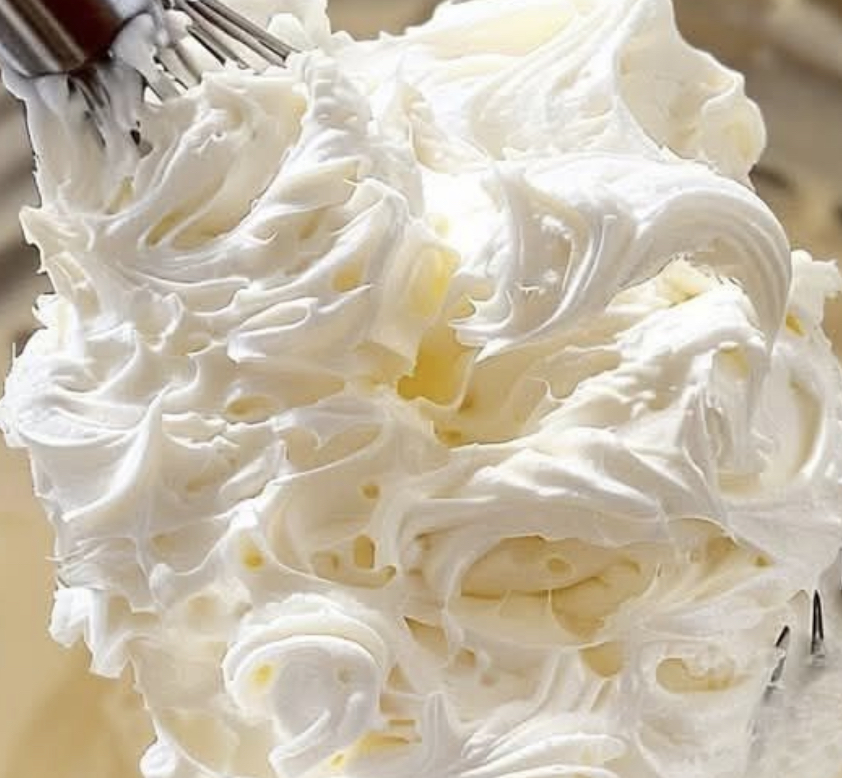
Don’t lose this recipe! Ermine frosting—also known as boiled milk frosting or flour buttercream—is a classic, old-fashioned frosting that deserves a place in every baker’s repertoire. With its silky smooth texture, light sweetness, and rich buttery flavor, it is the perfect topping for cakes, cupcakes, and more. Unlike traditional buttercream, which can be overly sweet, ermine frosting has a delicate, balanced sweetness that lets the other flavors of your dessert shine.
This vintage frosting was especially popular in the early to mid-20th century, often gracing red velvet cakes, coconut cakes, and layer cakes of all kinds. It fell out of favor for a time but has seen a well-deserved resurgence as bakers rediscover its incredible texture and flavor. If you have never tried ermine frosting, you are in for a treat. It is light, creamy, and absolutely irresistible.
Why You Will Love This Recipe
-
Silky Smooth Texture: Unlike traditional buttercream, ermine frosting is incredibly smooth and creamy.
-
Not Too Sweet: The balance of sugar and flour creates a frosting that is sweet but not cloying.
-
Light and Fluffy: Whipping the butter and sugar together creates a light, airy consistency.
-
Versatile: Pairs beautifully with red velvet cake, chocolate cake, vanilla cake, and more.
-
Stable and Pipeable: Holds its shape well, making it perfect for piping and decorating.
-
No Powdered Sugar Required: Uses granulated sugar and flour, so you don’t need to stock powdered sugar.
Ermine Frosting
Prep Time: 15 minutes | Cook Time: 5 to 7 minutes | Cooling Time: 30 to 45 minutes | Total Time: 1 hour
Yield: Enough to frost a 2-layer 8-inch or 9-inch cake or 24 cupcakes
This classic old-fashioned frosting is smooth, creamy, and perfectly sweet. Made with a cooked milk and flour base, it whips up into a light, fluffy buttercream that is ideal for cakes and cupcakes.
Ingredients
-
1 cup whole milk
-
5 tablespoons all-purpose flour
-
1 cup (2 sticks) unsalted butter, softened
-
1 cup granulated sugar
-
1 teaspoon vanilla extract
Instructions
Step 1: Cook the Milk and Flour
In a small saucepan, whisk together the milk and flour until no lumps remain. Place over medium heat and cook, whisking constantly, until the mixture thickens into a paste-like consistency, about 5 to 7 minutes. It should be thick enough to hold its shape when stirred.
Step 2: Cool the Mixture
Remove from heat and transfer the milk and flour mixture to a small bowl. Cover with plastic wrap, pressing the wrap directly onto the surface to prevent a skin from forming. Let it cool completely to room temperature. For faster cooling, you can refrigerate it for about 20 to 30 minutes, but it must be completely cool before using.
Step 3: Cream the Butter and Sugar
In a large mixing bowl, using an electric mixer, beat the softened butter and granulated sugar together on medium-high speed until light, fluffy, and pale in color, about 3 to 5 minutes. Scrape down the sides of the bowl as needed.
Step 4: Add Vanilla
Beat in the vanilla extract until combined.
Step 5: Combine and Whip
With the mixer running on medium speed, add the cooled milk and flour mixture one tablespoon at a time, beating well after each addition. Once all the mixture is incorporated, increase the speed to medium-high and beat for about 5 minutes until the frosting is light, fluffy, and creamy.
Step 6: Frost and Serve
Use immediately to frost your cake or cupcakes. The frosting will continue to set as it sits.
Tips for Perfect Ermine Frosting
-
Use Whole Milk: Whole milk provides the richness and creaminess that makes this frosting so special. Lower-fat milks may result in a thinner consistency.
-
Cook the Mixture Thoroughly: The milk and flour mixture must be cooked until it is thick and paste-like. This ensures the flour is fully cooked and the frosting has a smooth texture.
-
Cool Completely: The milk and flour mixture must be completely cool before adding to the butter and sugar. If it is even slightly warm, it will melt the butter and result in a soupy frosting.
-
Use Room Temperature Butter:Softened butter creams properly with sugar, creating the light, fluffy base for the frosting.
-
Beat Until Fluffy: The final beating step is crucial. Beating for a full 5 minutes incorporates air and creates the light, creamy texture that makes ermine frosting so special.
-
Adjust Consistency: If the frosting seems too soft, refrigerate it for 10 to 15 minutes, then beat again. If it is too stiff, let it sit at room temperature for a few minutes.
Variations and Additions
-
Chocolate Ermine Frosting: Add ¼ cup of unsweetened cocoa powder to the milk and flour mixture while cooking. Sift it in to prevent lumps.
-
Almond Ermine Frosting: Add ½ teaspoon of almond extract along with the vanilla.
-
Lemon Ermine Frosting: Add 1 tablespoon of lemon zest and 1 tablespoon of lemon juice to the butter mixture.
-
Brown Sugar Ermine Frosting:Substitute brown sugar for granulated sugar for a deeper, caramel-like flavor.
-
Coconut Ermine Frosting: Add ½ teaspoon of coconut extract and fold in ½ cup of toasted shredded coconut.
What Pairs Well with Ermine Frosting
Ermine frosting is a classic pairing for:
-
Red Velvet Cake: The traditional and perfect match.
-
Chocolate Cake: The light sweetness balances rich chocolate.
-
Vanilla or Yellow Cake: A classic combination that lets both shine.
-
Carrot Cake: The creamy frosting complements the spiced cake beautifully.
-
Coconut Cake: A match made in heaven.
Storage and Make-Ahead
-
Refrigerator: Store leftover frosting in an airtight container in the refrigerator for up to 5 days. Bring to room temperature and beat briefly before using.
-
Freezer: Ermine frosting can be frozen for up to 2 months. Thaw overnight in the refrigerator, then bring to room temperature and beat until smooth.
-
Frosted Cake: A frosted cake can be stored at room temperature for up to 2 days or refrigerated for up to 5 days.
The History of Ermine Frosting
Ermine frosting, also known as boiled milk frosting or flour buttercream, has a rich history in American baking. It gained popularity in the early 20th century and became the traditional frosting for red velvet cake. Unlike modern cream cheese frosting, which is now commonly used on red velvet, the original pairing was ermine frosting—a light, silky buttercream that complements the cake’s subtle cocoa flavor perfectly.
The name “ermine” comes from the frosting’s smooth, white appearance, reminiscent of the luxurious white fur of the ermine. It fell out of favor as powdered sugar became more widely available and easier to use, but it has seen a resurgence among bakers who appreciate its unique texture and balanced sweetness.
Why This Recipe Works
This recipe succeeds because of the careful balance of ingredients and technique. Cooking the milk and flour creates a starch-thickened base that gives the frosting its signature smooth, silky texture. Cooling the mixture completely ensures it incorporates properly with the butter without melting it.
Creaming the butter and sugar until light and fluffy incorporates air, creating the base for a light, airy frosting. The final beating step emulsifies the mixture, creating a stable, creamy buttercream that is perfect for frosting and piping.
Troubleshooting Common Issues
| Issue | Solution |
|---|---|
| Frosting is runny | The milk mixture was not cool enough before adding to the butter. Refrigerate the frosting for 15 to 20 minutes, then beat again. |
| Frosting is grainy | The sugar may not have fully dissolved. Beat longer and ensure the butter is properly creamed. |
| Frosting curdled or separated | The milk mixture was too warm. Refrigerate the frosting until it firms up, then beat again. |
| Frosting is too stiff | Let it sit at room temperature for 10 to 15 minutes, then beat until smooth. |
Nutritional Information
Please note that values are estimates and will vary based on specific ingredients and portion sizes.
Per serving (based on 24 servings for a 2-layer cake):
| Nutrient | Amount |
|---|---|
| Calories | 100–120 |
| Protein | 0.5g |
| Carbohydrates | 8–10g |
| Fat | 7–8g |
| Saturated Fat | 4–5g |
| Sugar | 7–8g |
Conclusion
Ermine frosting is a classic for a reason. With its silky smooth texture, balanced sweetness, and rich buttery flavor, it is the perfect finishing touch for cakes and cupcakes. Whether you are making a traditional red velvet cake or trying something new, this old-fashioned frosting is sure to impress.
I hope this recipe becomes a favorite in your kitchen. If you give it a try, please leave a comment below. I would love to hear how it turned out for you.