
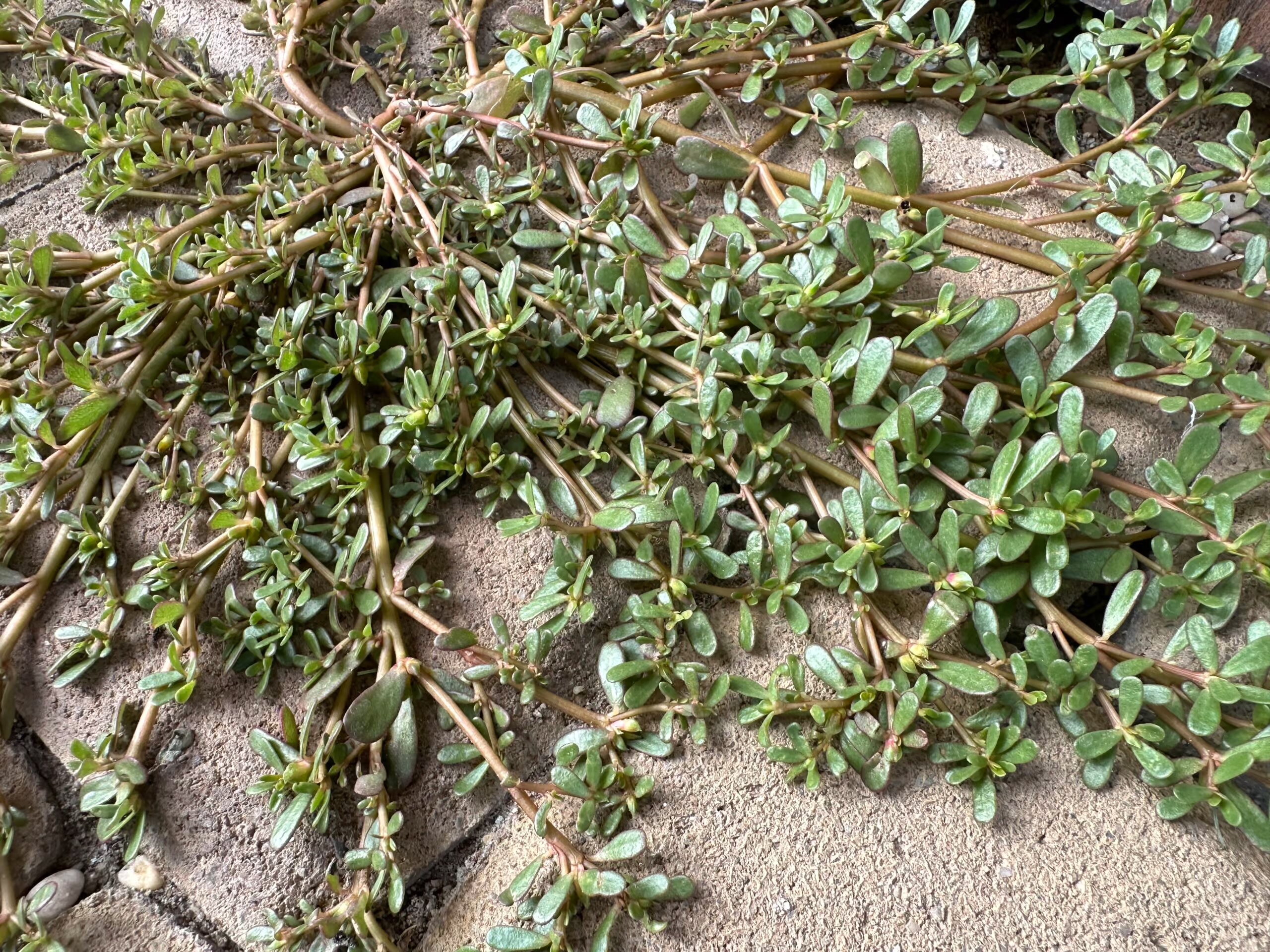
Purslane (Portulaca oleracea) is a humble, often overlooked plant that’s actually a powerhouse of nutrition. Commonly found growing wild in gardens and sidewalks, this leafy green has been used for centuries in traditional diets around the world. With its slightly tangy, lemony flavor and crisp texture, purslane is not only edible but incredibly beneficial for your health.
What is Purslane?
Purslane is a succulent plant with small, thick leaves and reddish stems. While many consider it a weed, it is actually one of the most nutrient-dense greens available. It thrives in warm climates and requires minimal care, making it easy to grow at home.
Nutritional Benefits of Purslane
Purslane stands out for its impressive nutritional profile. It is especially known for being rich in:
- Omega-3 fatty acids: One of the few plant sources of alpha-linolenic acid (ALA)
- Vitamins: High in vitamins A, C, and E
- Minerals: Contains magnesium, calcium, potassium, and iron
- Antioxidants: Helps protect the body from oxidative stress
This combination supports overall health, from heart function to immune strength.
Health Benefits
1. Supports Heart Health
The omega-3 fatty acids in purslane may help reduce inflammation and support cardiovascular health.
2. Boosts Immunity
With high levels of vitamin C and antioxidants, purslane helps strengthen the immune system.
3. Aids in Digestion
Its fiber content supports healthy digestion and gut function.
4. Promotes Skin Health
Antioxidants and vitamins may contribute to healthier, more radiant skin.
5. Helps with Hydration
As a succulent plant, purslane has a high water content, which can help keep you hydrated.
How to Use Purslane in Cooking
Purslane is incredibly versatile and can be used in many dishes:
- Salads: Add fresh leaves for a crunchy, slightly sour taste
- Smoothies: Blend for a nutritional boost
- Stir-fries: Cook lightly with garlic and olive oil
- Soups & stews: Adds thickness and nutrients
- Sandwiches: Use as a fresh green alternative
Tips for Harvesting & Storing
- Harvest young leaves: They are more tender and flavorful
- Wash thoroughly: Especially if foraged from outdoors
- Store in the fridge: Keeps fresh for up to 3–4 days
- Use quickly: Best enjoyed fresh for maximum nutrients
Important Notes
While purslane is generally safe to eat, it contains oxalates, which may not be suitable for people prone to kidney stones if consumed in large amounts. Always ensure you correctly identify the plant before consuming, especially when foraging.
Final Thoughts
Purslane is a hidden gem in the world of nutrition—easy to find, simple to prepare, and packed with health benefits. Whether you grow it yourself or find it at a local market, adding purslane to your diet is a smart and natural way to boost your nutrition.