
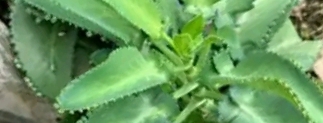
Kalanchoe Is a Medicinal Plant: Benefits, Uses & What You Should Know
Kalanchoe is a succulent plant widely known for its traditional use in natural remedies. Found in many homes as an ornamental plant, it has also been valued in folk medicine for its potential health-supporting properties.
However, while it has a long history of use, it’s important to understand both its benefits and safety considerations.
🌿 What Is Kalanchoe?
Kalanchoe is a genus of succulent plants native to tropical regions. Some species, such as Kalanchoe pinnata, are commonly used in traditional herbal practices.
⭐ Traditional Uses of Kalanchoe
In various cultures, Kalanchoe has been used for:
🌱 Wound Care
Crushed leaves are sometimes applied externally to support skin healing.
😌 Anti-Inflammatory Support
Traditionally used to help soothe inflammation.
🌬️ Respiratory Support
Used in folk remedies for coughs and mild respiratory discomfort.
🔬 What Does Science Say?
Some studies suggest that compounds found in Kalanchoe may have:
- Anti-inflammatory properties
- Antioxidant activity
However, research is still limited, and more clinical studies are needed to confirm its effectiveness and safety.
⚠️ Important Safety Warnings
This is where caution is essential:
- Certain species of Kalanchoe contain compounds that can be toxic if consumed in large amounts
- It may affect the heart if misused
- Not recommended for pregnant or breastfeeding individuals
- Always consult a healthcare professional before internal use
➡️ Never self-medicate with unfamiliar plants without proper guidance
🌿 How It’s Commonly Used
- Topical use: Crushed leaves applied to skin (traditional use)
- Infusions/juices: Used in some folk remedies (with caution)
🧠 Final Thoughts
Kalanchoe is indeed a fascinating medicinal plant with a long history in traditional healing. While it may offer some benefits, it should be used carefully and responsibly due to potential risks.