
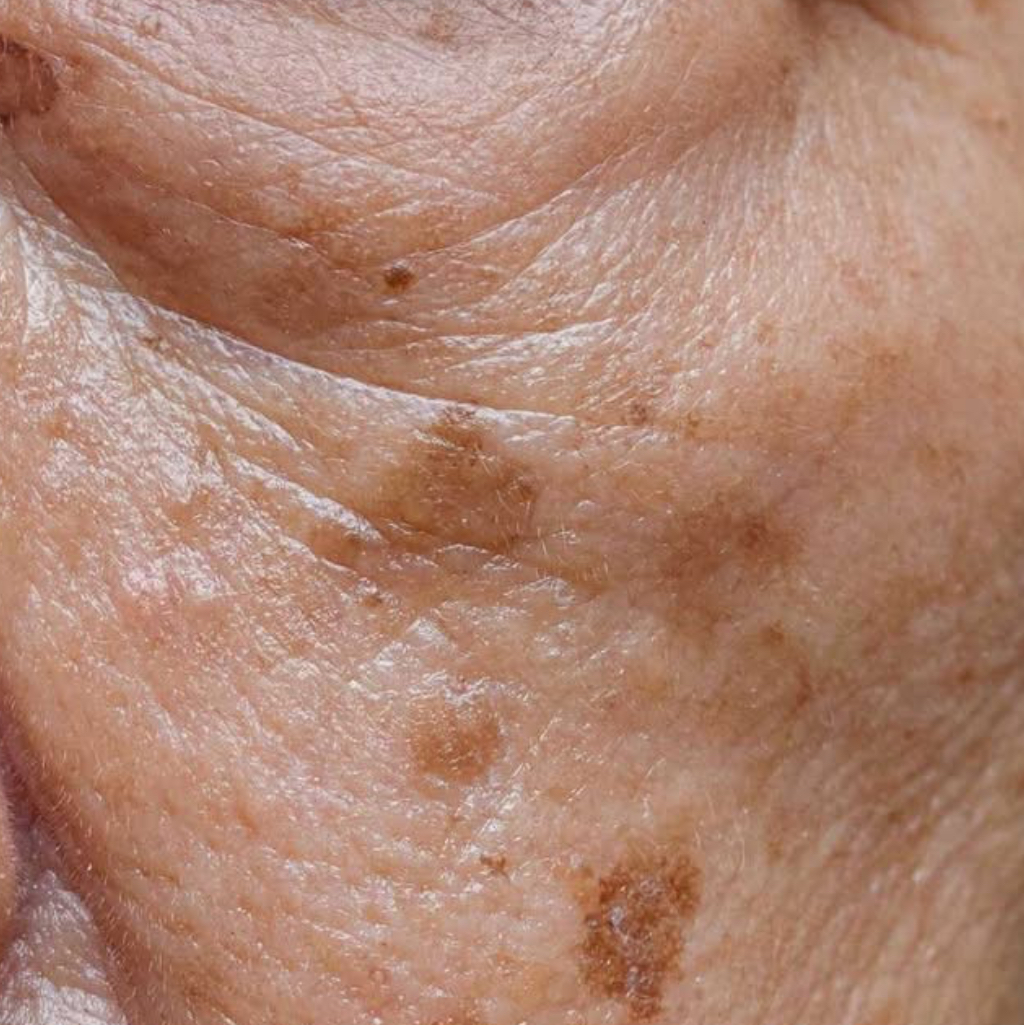
Age spots — also called liver spots or solar lentigines — are flat, dark patches that appear on sun-exposed skin like the face, hands, and shoulders. While harmless, these spots are a visible reminder of sun damage and aging. Many people turn to creams or cosmetic treatments, but there’s a natural, underrated nutrient that could make a big difference: selenium.
What Are Age Spots?
Age spots are areas of hyperpigmentation caused by excess melanin production. They typically develop due to:
-
Prolonged UV exposure
-
Aging and slower skin repair
-
Genetics
-
Oxidative stress (free radical damage)
They’re most common in adults over 50, but even younger individuals who skip sunscreen can develop them.
The Underrated Role of Minerals in Skin Health
Healthy skin relies on nutrients to repair, renew, and protect itself. Some of the most important minerals include:
-
Zinc – Supports healing and reduces inflammation
-
Copper – Promotes collagen and elastin production
-
Selenium – A potent antioxidant that protects from sun-induced aging
Selenium: The Skin-Protecting Mineral You Need to Know
Selenium is a trace mineral found in soil and certain foods. Though required in tiny amounts, its benefits are massive — especially for your skin.
Key Skin Benefits of Selenium:
-
Antioxidant Power – Neutralizes free radicals that accelerate aging
-
UV Protection – Helps shield skin from harmful rays
-
Anti-Inflammatory – Calms redness and irritation
-
Boosts Glutathione – The “master antioxidant” needs selenium to function
Low selenium can make your skin more prone to sunburn, pigmentation, and slower healing — all key factors behind age spots.
Selenium Deficiency & Age Spots: What the Science Says
When selenium levels drop, several things happen:
-
Antioxidant protection weakens
-
Skin is more vulnerable to UV damage
-
Melanin production may spike, leading to dark spots
-
Skin repair slows, and visible aging accelerates
📚 Supporting Research:
-
A 2013 study in Clinical, Cosmetic and Investigational Dermatology showed that selenium (alongside other antioxidants) significantly improved skin tone and reduced hyperpigmentation.
-
Research in The American Journal of Clinical Nutrition linked higher selenium intake with reduced risk of photoaging and skin cancer.
Signs You May Be Low in Selenium
Full deficiency is rare, but mild insufficiency is more common than you’d think.
Look out for:
-
Increased sun sensitivity
-
Dry, tired-looking skin
-
Slow wound healing
-
More visible age spots
-
Fatigue or frequent illness
How to Get Selenium Naturally: Food First
The best source of selenium is a balanced, whole-foods diet.
Top Selenium-Rich Foods:
| Food | Selenium (approx.) |
|---|---|
| Brazil nuts (1–2 nuts) | 50–90 mcg |
| Tuna (3 oz) | 68 mcg |
| Halibut (3 oz) | 47 mcg |
| Eggs (1 large) | 15 mcg |
| Sunflower seeds (¼ cup) | 23 mcg |
| Brown rice or oats | 10–15 mcg |
| Beef liver (3 oz) | 28 mcg |
💡 Note: Just 1–2 Brazil nuts per day can meet your needs — but avoid overdoing it. Too much selenium can be harmful.
Selenium Supplements: Helpful or Harmful?
If you’re not getting enough through food, a supplement might help — but use caution.
-
RDI: 55 mcg/day
-
Upper limit: 400 mcg/day
Too much selenium can cause:
-
Hair loss
-
Nausea
-
Nerve issues
-
Nail brittleness
✅ Always consult a doctor before supplementing, especially if you have thyroid conditions.
Other Ways to Prevent Age Spots
Selenium is powerful, but your full routine matters. For radiant, protected skin:
✅ Wear sunscreen daily (SPF 30+)
✅ Avoid peak UV hours (10 AM–4 PM)
✅ Hydrate — inside and out
✅ Eat colorful, antioxidant-rich foods
✅ Wear protective clothing and hats
✅ Use gentle skincare – skip the harsh scrubs
Final Thoughts: Selenium, Skin, and Long-Term Beauty
Age spots may be a sign of sun damage, but they’re not inevitable. Nature offers powerful tools to support your skin from within — and selenium is one of the most potent.
By making sure you’re getting enough selenium through diet (and supplementing wisely if needed), you’re doing more than just protecting your skin — you’re building a foundation for long-term beauty, health, and radiance.