
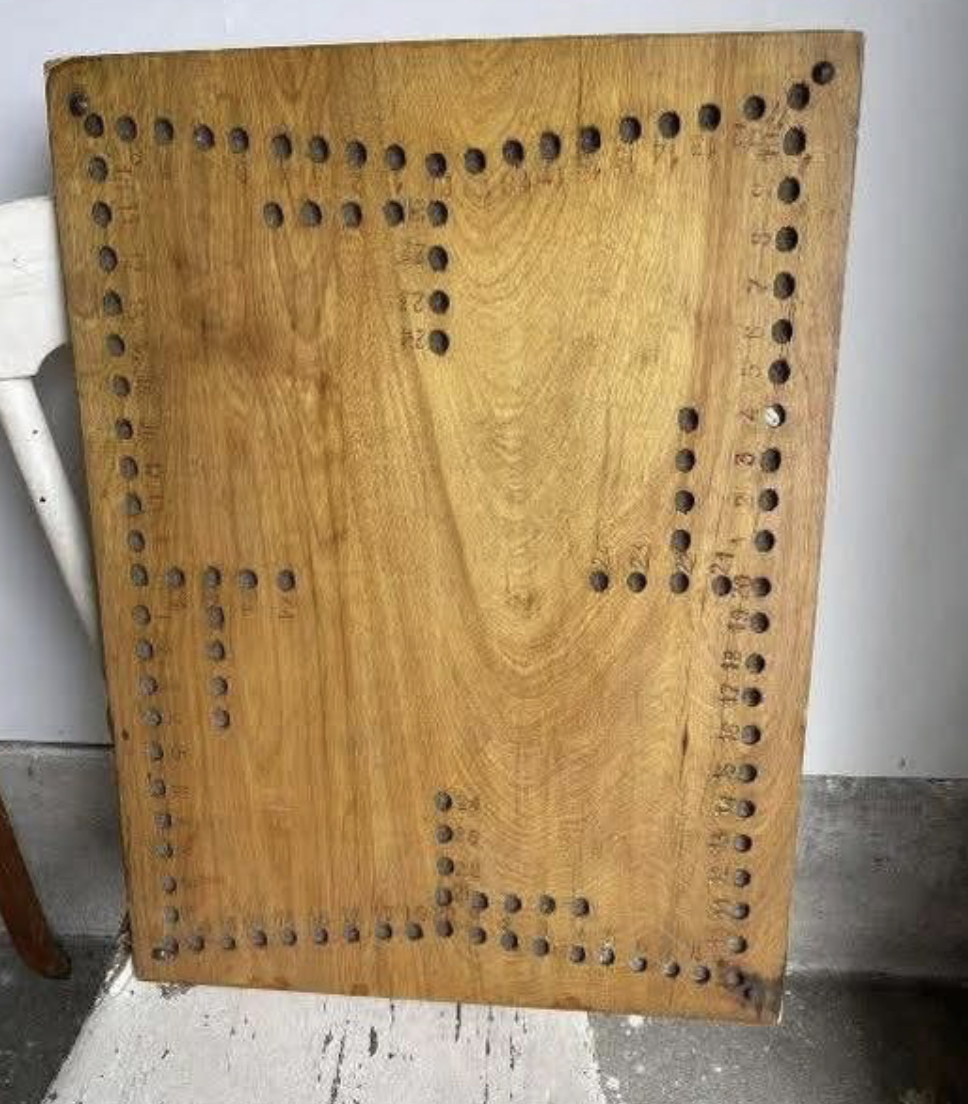
Games have always been a way to bring families together, sparking laughter, friendly competition, and lasting memories. Building your own version of a classic family game not only offers entertainment but also gives you the chance to add a personal twist. This creative project combines craftsmanship, imagination, and nostalgia into one rewarding experience.
Origin and Cultural Significance
Classic family games such as Monopoly, Scrabble, and Snakes & Ladders have been household staples for generations. Many originated in the 20th century as a form of affordable, at-home entertainment during times when families sought meaningful ways to bond.
These games hold cultural significance because they:
-
Transcend generations – children, parents, and grandparents can all play together.
-
Foster connection – they encourage face-to-face interaction in an increasingly digital world.
-
Reflect history and values – many carry themes tied to economics, wordplay, or storytelling.
By building your own version, you’re not just crafting a game—you’re creating a keepsake that honors tradition while adding a unique family legacy.
Materials You’ll Need
Basic Supplies
-
Game board material – 1 piece (wood, cardboard, foam board, or canvas)
-
Markers, paints, or printed graphics – as needed for board design
-
Playing pieces – 4–6 (small figurines, coins, buttons, or custom-made tokens)
-
Cards or slips of paper – 30–100 (depending on rules)
-
Dice or spinners – 1–2
-
Rule sheet – 1 printed or handwritten copy
Optional Additions
-
Personalized tokens (family photos or themed miniatures)
-
Magnetic or Velcro backing for travel-friendly play
-
Custom storage box or bag for organization
-
Digital extras like QR codes for trivia, sound effects, or mini-challenges
Tips for Success
✔ Choose a base game – replicate a classic or invent your own hybrid.
✔ Plan your layout – sketch the board and draft rules before finalizing.
✔ Keep rules simple – easy enough for all ages to follow.
✔ Add personal touches – family jokes, favorite colors, or inside references.
✔ Playtest & refine – a few trial rounds will help balance fun and fairness.
Step-by-Step Instructions
-
Select the game you want to recreate or adapt.
-
Prepare the board: cut your chosen material to size and decorate with grids, paths, or themed zones.
-
Create pieces: use coins, beads, or personalize tokens with photos.
-
Design cards or instructions: write trivia questions, challenges, or rewards.
-
Establish rules: keep them clear, concise, and family-friendly.
-
Assemble everything into a box or pouch for easy storage.
-
Play and refine with your family until it becomes part of your traditions.
Description
Your homemade family game is more than just entertainment—it’s a blend of tradition, creativity, and bonding. Whether you hand-paint a board, write your own trivia, or add playful challenges, every round becomes infused with laughter and family spirit.
“Nutritional” Information (Metaphorical)
-
Calories burned laughing: 100+ per game night
-
Emotional bonding: Rich source of connection
-
Creativity boost: High levels of imagination & problem-solving
-
Stress reduction: Zero guilt, maximum relaxation
-
Family joy: 100% of daily recommended value
Conclusion
Building your own version of a classic family game allows you to mix nostalgia with creativity. The end result isn’t just a board game, but a family treasure—a tradition-in-the-making that will be played and remembered for years.
Recommendation
Choose a game format that best resonates with your household:
-
Love trivia? Create a quiz-based format.
-
Prefer strategy? Adapt a classic board game.
-
Have younger children? Keep it colorful and simple.
Personalization is the key to keeping your family engaged and eager to play again and again.
Embracing Healthful Indulgence
In a world dominated by screens, a handcrafted family game provides a healthful indulgence—encouraging togetherness, laughter, and mental stimulation. Instead of indulging in material possessions, this project nourishes the heart, mind, and spirit. Sometimes, the best entertainment is what we create ourselves, with love and imagination at the core.