
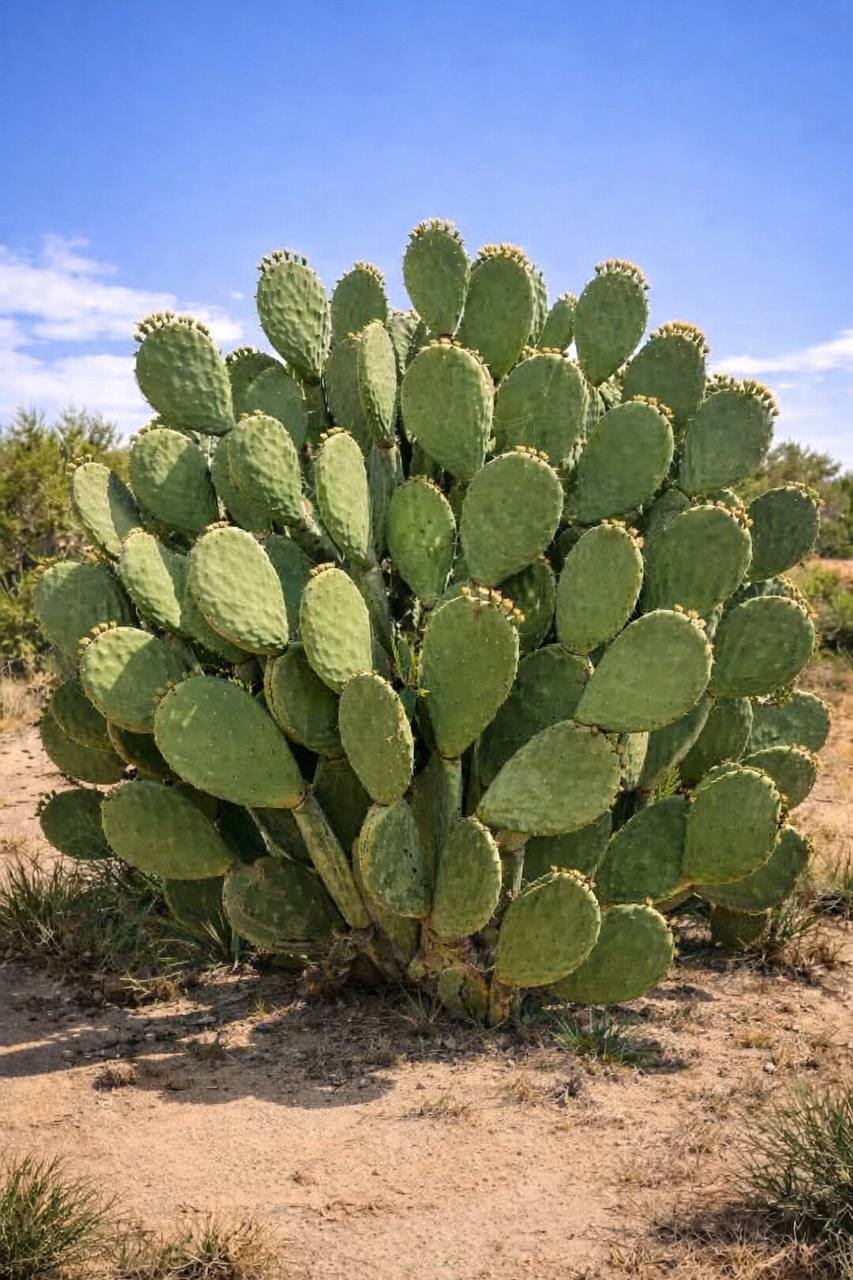
Cactus: The “Plant of Life” and Its Role in Cancer Support and Blood Sugar Control
Often admired for its ability to survive in extreme desert conditions, the cactus is more than just a symbol of resilience—it is also gaining attention for its potential health benefits. In particular, certain cactus species, especially the prickly pear (Opuntia), have been studied for their possible role in supporting blood sugar regulation and contributing to cancer-related research. While it is sometimes called the “Plant of Life,” it’s important to understand both its promise and its limits in medical contexts.
Nutritional Power of Cactus
Cactus pads (commonly known as nopales) and fruits are rich in essential nutrients. They contain:
- Fiber
- Vitamin C
- Antioxidants (such as flavonoids and betalains)
- Minerals like magnesium and potassium
These compounds play a key role in promoting overall health and protecting the body from oxidative stress.
Cactus and Blood Sugar Control
One of the most well-known health benefits of cactus—especially prickly pear—is its potential to help regulate blood sugar levels. This is particularly relevant for people with or at risk of Type 2 Diabetes.
How it may help:
- High fiber content: Slows down the absorption of sugar in the bloodstream, preventing spikes after meals.
- Improved insulin sensitivity: Some studies suggest cactus may help the body use insulin more effectively.
- Lower glucose levels: Research has shown that consuming cactus pads can reduce post-meal blood sugar levels.
Because of these effects, cactus is sometimes used as a natural dietary support alongside conventional diabetes treatments. However, it should never replace prescribed medication without medical guidance.
Cactus and Cancer Research
Cactus has also attracted interest in the field of Cancer research due to its high antioxidant content.
Potential benefits being studied:
- Antioxidant activity: Compounds in cactus help neutralize free radicals, which can damage cells and contribute to cancer development.
- Anti-inflammatory effects: Chronic inflammation is linked to cancer progression, and cactus may help reduce inflammation in the body.
- Cell protection: Early laboratory studies suggest cactus extracts might slow the growth of certain cancer cells.
It’s important to emphasize that these findings are still largely experimental. Cactus is not a cure for cancer, but it may play a supportive role in a healthy, balanced diet aimed at reducing risk factors.
Traditional and Modern Uses
In many cultures, cactus has long been used in traditional medicine for:
- Managing blood sugar
- Supporting digestion
- Boosting immunity
Today, it is available in various forms, including fresh pads, juices, powders, and supplements.
Important Considerations
While cactus offers promising health benefits, it should be used responsibly:
- Always consult a healthcare provider, especially if you have diabetes or are undergoing cancer treatment.
- Monitor blood sugar levels if consuming cactus regularly, as it may enhance the effect of medications.
- Ensure proper preparation, as some raw forms can cause digestive discomfort.
Conclusion
The cactus truly lives up to its name as the “Plant of Life,” not only for its ability to thrive in harsh environments but also for its potential contributions to human health. Its role in supporting blood sugar control and its emerging place in cancer research make it a fascinating natural resource.