
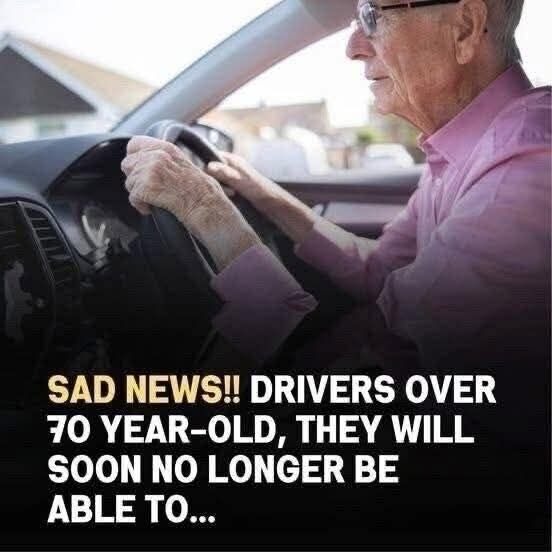
A major shift in UK driving regulations is under consideration — and it’s sparking intense debate, particularly among senior citizens.
The Driver and Vehicle Licensing Agency (DVLA) may soon introduce mandatory visual and cognitive testing for drivers aged 70 and older, as part of a push to improve road safety. While the idea is being welcomed by some as a necessary update to aging infrastructure, others — especially affected drivers — are not so sure.
In fact, many older motorists say they’d rather surrender their licences than go through additional testing, raising questions about ageism, independence, and the ability to remain mobile later in life.
Let’s break down what’s being proposed, why it’s happening now, and what this could mean for older drivers across the UK.
🧾 What Are the Proposed DVLA Changes?
Currently, drivers in the UK must self-declare their fitness to drive every three years after turning 70. No physical or cognitive test is required — just an online or postal renewal form.
But under new proposals being considered, this process could change significantly:
-
Mandatory vision tests to assess eye health and reaction speed
-
Cognitive assessments to detect issues like memory loss or slowed decision-making
-
Driving refreshers or hazard perception checks for those with flagged issues
The changes are being explored in response to rising numbers of over-70 drivers and increased awareness of age-related impairments that can affect driving ability.
🚦 Why the Focus on Over-70 Drivers?
While most older drivers are safe, experienced, and cautious, age can bring natural declines in eyesight, hearing, reaction time, and cognitive function.
Recent statistics show:
-
The number of licensed drivers aged 70+ has nearly doubled in the past decade
-
Road incidents involving older drivers, particularly over 80, have slightly increased
-
Medical conditions like dementia and macular degeneration can go undiagnosed for years
With UK roads becoming busier and more complex, regulators argue it’s time to ensure all drivers — regardless of age — meet modern safety standards.
👴 The Pushback: “I’d Rather Give Up My Licence”
For many older adults, driving isn’t just a convenience — it’s a symbol of independence. The idea of being tested or restricted based on age alone feels discriminatory.
Some reactions from older motorists include:
“I’ve driven accident-free for 50 years. Why should I be tested now?”
“This feels like they’re trying to force us off the road quietly.”
“If they make it harder to renew, I might just give up driving altogether.”
There’s also concern about test anxiety, access to testing centers, and whether such rules would apply fairly across the board, or target older adults disproportionately.
🧠 What Experts Are Saying
Supporters of the new testing argue it’s not about age, but about ability. They point out:
-
Many countries, including Japan, Australia, and parts of the US, already require older drivers to take vision or cognitive tests
-
Early detection of health issues could prevent accidents and even prolong driving independence by offering support earlier
-
The aim is not to remove licences, but to ensure everyone is driving safely
Some suggest that rather than strict pass/fail testing, tiered support (such as refresher lessons, license conditions, or adaptive equipment) could be a more compassionate solution.
🚗 What Might the Future Look Like?
If adopted, these changes could take effect within the next 2–5 years and may include:
-
Online booking for vision or cognitive tests when renewing at age 70+
-
Medical clearance requirements for drivers with known health conditions
-
Driving restrictions (e.g., no night driving) for those with minor impairments
-
Support programs to help people transition from driving to public transport
🧭 Navigating the Road Ahead
Whether you’re approaching 70, have parents in that age group, or simply care about road safety, this debate highlights a larger societal question:
How do we balance personal freedom with public safety?
The key may lie in individual assessment, not blanket rules — ensuring that age isn’t the enemy, but just one factor among many in determining driving fitness.
For now, the DVLA has not confirmed a timeline for implementation, but the conversation is growing — and so is the call for a system that’s fair, respectful, and safety-focused.
🗨️ Your Turn: What Do You Think?
Would you support cognitive testing for older drivers?
Do you think the age threshold is fair?
Let us know in the comments below!