
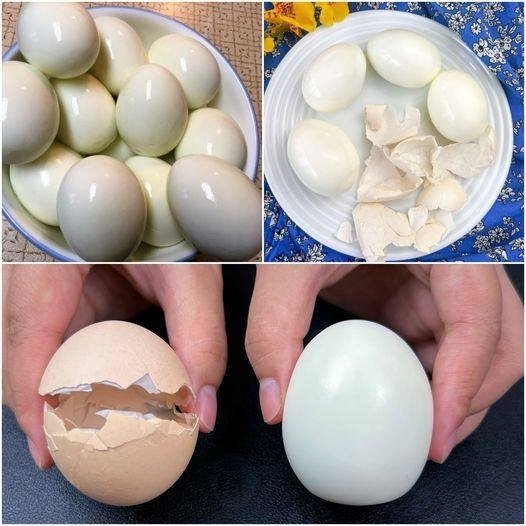
Boiling eggs might sound simple, but achieving just the right consistency—whether soft-boiled, medium-cooked, or hard-boiled—requires precision. Many home cooks make a common mistake by starting with cold water, which can lead to inconsistent results.
If you’re aiming for eggs that peel easily, have a tender texture, and look picture-perfect when sliced, this guide is for you.
Why Boiled Eggs?
Boiled eggs are nutritious, convenient, and incredibly versatile. Whether enjoyed on their own, sliced into salads, mashed into egg salad, or used as protein-packed toppers for toast or ramen—boiled eggs are a staple in many diets.
They’re naturally rich in:
-
High-quality protein
-
Vitamin B12 and Vitamin D
-
Healthy fats
-
Choline (great for brain health)
What You’ll Need:
-
Fresh eggs (the fresher the better)
-
A saucepan with a lid
-
Water (enough to fully submerge the eggs)
-
A bowl of ice water (for shocking the eggs after boiling)
-
A timer (don’t skip this—it’s key)
The Guide: How to Boil Eggs to Your Desired Doneness
Here’s how to boil eggs so they come out exactly the way you like them:
Step 1: Bring the Water to a Boil First
Fill your saucepan with enough water to cover the eggs by about an inch. Bring the water to a full rolling boil first—before adding the eggs. This ensures even cooking from the moment the eggs go in.
Step 2: Gently Lower in the Eggs
Using a slotted spoon or tongs, carefully lower your eggs into the boiling water. This reduces the chance of cracks.
Step 3: Set the Timer
Now it’s time to watch the clock. Use this guide based on your preferred texture:
| Doneness | Boiling Time |
|---|---|
| Soft-boiled | 6 minutes |
| Jammy center | 7–8 minutes |
| Medium-boiled | 9 minutes |
| Hard-boiled | 10–12 minutes |
🔥 Tip: Use a gentle, steady boil (not a raging one) to prevent egg bumping and cracking.
Step 4: Ice Bath Immediately After
As soon as the timer goes off, transfer the eggs into the ice bath. Let them chill for at least 5–10 minutes to:
-
Stop cooking instantly
-
Make peeling easier
-
Maintain the perfect texture inside
Bonus Tips for Easy Peeling
-
Slightly older eggs (5–10 days) peel more easily than very fresh ones.
-
Add a teaspoon of baking soda or vinegar to the boiling water—it can help with shell removal.
-
Crack the egg at the base and peel under running cold water for best results.
Final Thoughts
Perfectly boiled eggs are a small kitchen victory that makes a big difference in your meals. With this method, you’ll consistently get eggs that are just the way you like them—whether gooey and golden inside or firm and ready for deviled egg duty.