
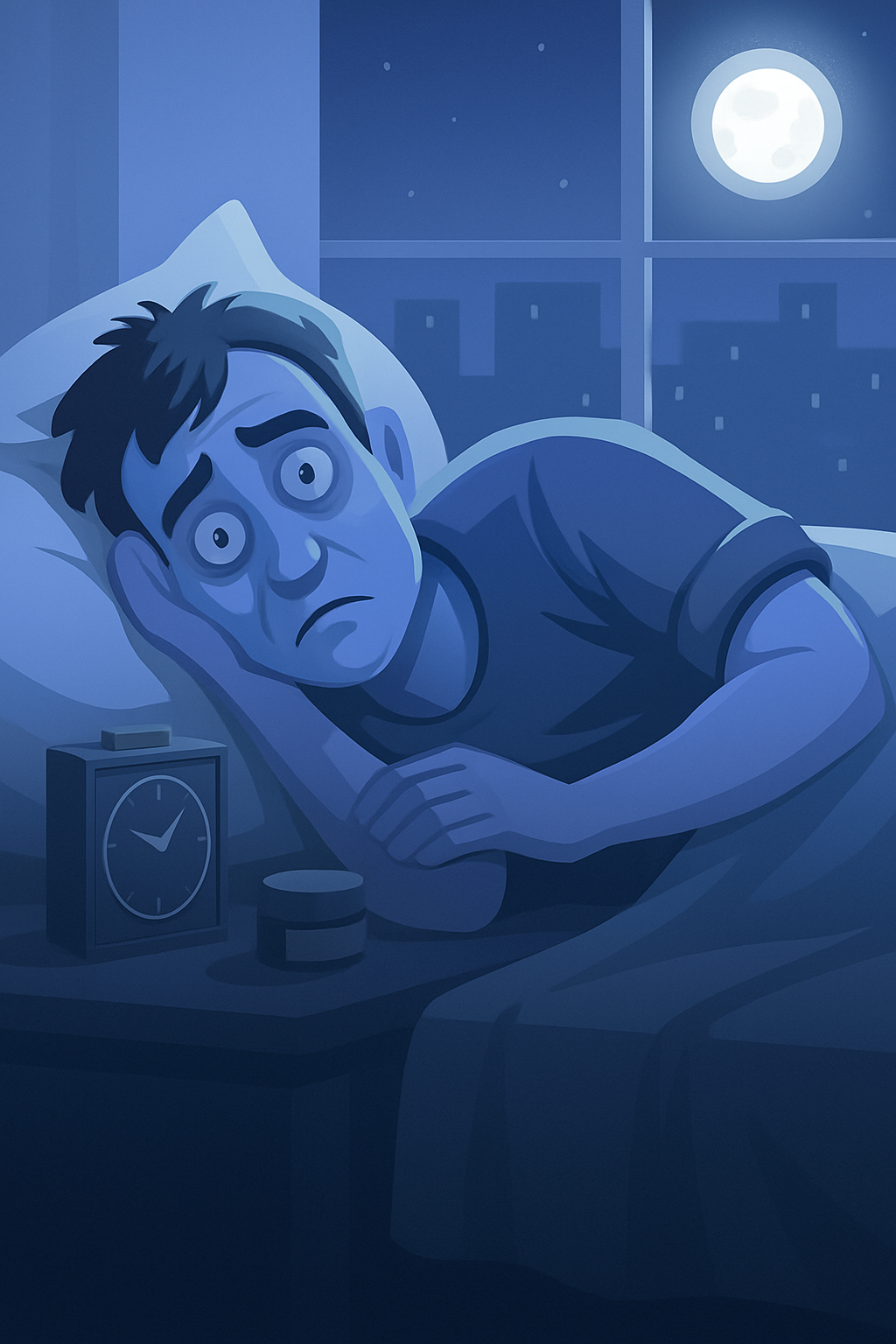
It’s a frustrating cycle:
You make sure to get your 7–8 hours of sleep every night…
Yet you still wake up groggy, drained, and anything but refreshed.
If this sounds familiar, you’re not alone. Many people experience “sleep inertia”—that lingering tiredness even after a full night’s rest. But what’s really behind it? Let’s explore the surprising reasons why quality matters more than quantity when it comes to sleep—and what you can do about it.
1. You’re Not Hitting Deep Sleep or REM Cycles
Sleep isn’t just about hours—it’s about stages.
Your body cycles through light sleep, deep sleep, and REM (rapid eye movement) sleep multiple times per night. These deeper stages are crucial for restoring energy, consolidating memories, and healing the body.
If your sleep is too shallow or fragmented (even if you’re asleep for 7+ hours), you may miss out on the most restorative phases.
Common Causes:
-
Stress or anxiety
-
Sleep disorders like sleep apnea
-
Poor sleep environment (noise, light, uncomfortable bedding)
Solution:
-
Create a calm, dark, and cool sleeping space
-
Establish a relaxing bedtime routine
-
Consider a sleep tracker to monitor sleep stages
2. Sleep Apnea or Breathing Issues
You might think you’re sleeping fine—but your body could be fighting for air while you sleep.
Sleep apnea, a condition where your breathing repeatedly stops and starts, affects millions unknowingly. It fragments sleep and leaves you tired the next day.
Signs to Watch For:
-
Loud snoring
-
Waking up gasping or choking
-
Dry mouth or headache in the morning
What to Do:
-
See a sleep specialist
-
Consider a sleep study (often available at clinics or hospitals)
3. Hidden Lifestyle Habits That Sabotage Sleep
Certain habits—even if they seem harmless—can reduce sleep quality:
-
Caffeine after 2 PM
-
Heavy meals close to bedtime
-
Alcohol, which disrupts REM sleep
-
Overexposure to blue light from screens before bed
Better Habits:
-
Switch to herbal tea in the evening
-
Stop eating heavy meals 2–3 hours before bed
-
Use blue light filters on devices or avoid screens entirely an hour before sleep
4. Poor Sleep Timing — Not Just Sleep Duration
Your body has a natural rhythm called the circadian clock, which regulates sleep and wake cycles. Sleeping at irregular times (or staying up late) can confuse this system, even if you get the right amount of hours.
Best Practice:
-
Sleep and wake up at the same time every day—even on weekends
-
Morning sunlight exposure can help reset your internal clock
5. Mental Health and Emotional Exhaustion
Your mind can be just as exhausted as your body—and mental fatigue doesn’t always improve with sleep alone.
Chronic stress, anxiety, or depression can make you feel tired, no matter how much you rest.
Tips to Manage Mental Fatigue:
-
Practice mindfulness or meditation
-
Journaling before bed to clear your thoughts
-
Speak with a mental health professional if feelings persist
How to Wake Up Refreshed
✔️ Stick to a regular sleep schedule
✔️ Prioritize sleep hygiene (dark, cool, quiet room)
✔️ Limit stimulants and alcohol
✔️ Monitor your sleep cycles with a tracker
✔️ Address possible medical conditions
✔️ Care for your mental health
The Takeaway
It’s not just about how long you sleep—but how well you sleep.
Understanding your body’s sleep needs, recognizing hidden disruptors, and adopting better habits can help you wake up energized, focused, and truly rested.
What Helps You Wake Up Refreshed?
Share your tips and tricks in the comments! And if you found this article helpful, pass it along—it could be the eye-opener someone else needs.