
If you’ve never tasted a true Oklahoma Fried Onion Burger, you’re missing out on one of America’s most iconic regional comfort foods.
Born in the grill joints of small-town Oklahoma diners during the Great Depression, this burger is proof that sometimes the simplest meals are the most unforgettable. It’s a masterclass in humble ingredients, big flavor, and crispy, caramelized perfection.
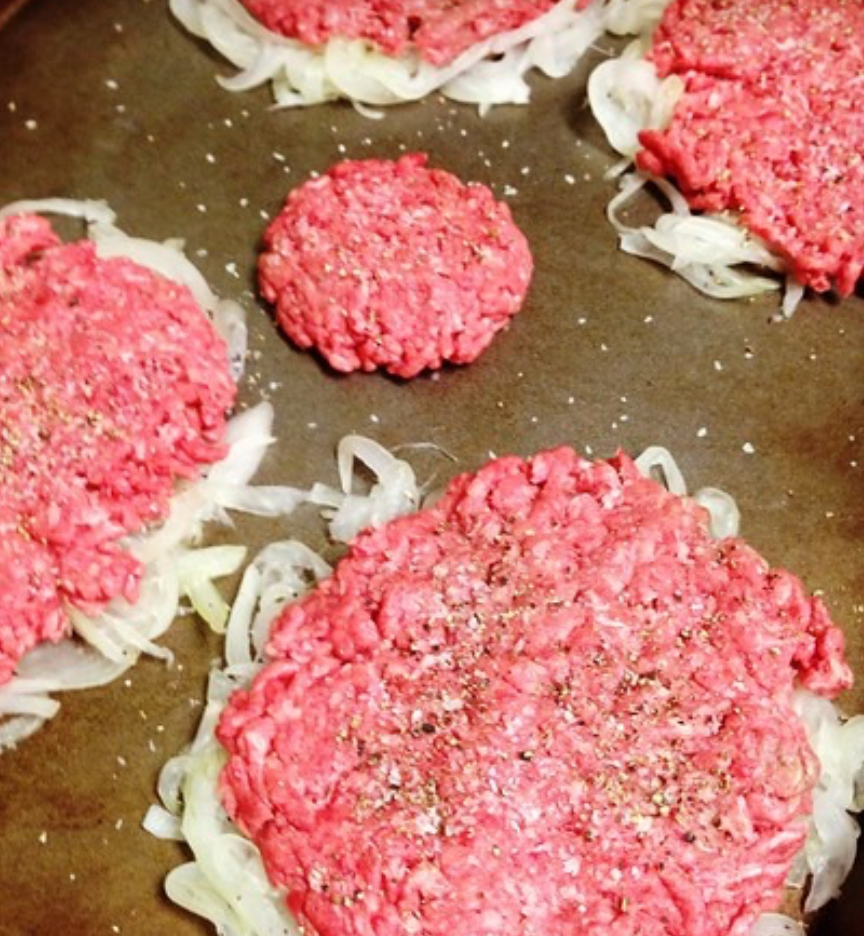
With juicy beef patties smashed thin on the griddle and loaded with onions that caramelize right into the meat, this burger delivers a crunchy crust, tender center, and irresistible savory-sweet bite.
Let’s dive into the history, flavors, and how to make this legendary Heartland classic right at home.
What Is an Oklahoma Fried Onion Burger?
Also known locally as a “slinger” or “battered onion burger,” this classic was born in El Reno, Oklahoma — a town so proud of its creation that it hosts an annual Onion Burger Festival every spring.
Originally, it was invented by thrifty diner cooks during the 1920s and 30s to stretch ground beef, which was expensive at the time. They bulked up the patties with shaved onions, discovering along the way that the combination of juicy beef and caramelized onions was downright irresistible.
The Signature Traits:
✅ Thin beef patties — smashed flat for maximum crust
✅ Onions fried right into the patty — not just on top
✅ Golden, crispy edges — where meat meets onion magic
✅ Served simply — on a soft bun with mustard, pickles, and ketchup
It’s a working-class creation that became a culinary icon.
Ingredients (Makes 4 Burgers)
-
1 pound ground beef (80/20 blend recommended)
-
2 large yellow onions, very thinly sliced (use a mandoline if possible)
-
4 soft hamburger buns
-
4 slices American cheese (optional, but authentic diners often use it)
-
Yellow mustard
-
Dill pickles
-
Salt and freshly ground black pepper
-
1 tablespoon butter or oil (for toasting buns)
Step-by-Step Instructions
1. Prep the Onions
Slice onions paper-thin so they cook quickly and caramelize beautifully.
2. Form & Smash the Patties
Divide the beef into 4 loose balls. Place one ball on a hot griddle or cast-iron skillet. Immediately pile a generous handful of onions on top. Use a sturdy spatula to smash the patty flat, pressing the onions into the meat.
3. Season & Sear
Sprinkle with salt and pepper. Cook until the edges are crisp and browned, about 2–3 minutes. Flip the patty so the onions are now on the bottom. Press again, letting the onions fry directly on the griddle.
4. Add Cheese (Optional)
If using cheese, add a slice on top during the last 30 seconds so it melts perfectly.
5. Toast the Buns
Spread butter on the buns and toast them lightly on the griddle until golden.
6. Build the Burger
Place the onion-crusted patty on the bun. Add mustard, pickles, and ketchup — just like the diners do. Keep it simple; that’s the Oklahoma way.
Serving Suggestions
The Oklahoma Onion Burger is hearty enough to stand alone, but you can make it a full diner experience by serving with:
-
Crispy fries or tater tots
-
Homemade coleslaw
-
A cold soda or root beer float
Tips for Success
-
Get the pan hot: A cast-iron skillet or flat-top griddle is ideal for that signature crust.
-
Don’t skimp on onions: They should be as thin as possible and piled generously.
-
Keep it simple: Skip the fancy toppings — this burger shines with just mustard, pickles, and ketchup.
A Bite of History
The Oklahoma Fried Onion Burger isn’t just food — it’s a piece of Americana. Born of necessity during hard times, it represents the ingenuity and resilience of small-town cooks. Today, it’s a celebrated regional specialty that attracts food lovers from across the country.
If you ever find yourself in El Reno, don’t miss the chance to grab one from a classic diner. Until then, this recipe brings the Heartland to your own kitchen.
Final Thoughts
The Oklahoma Fried Onion Burger is proof that the best comfort foods are often the simplest. With nothing more than beef, onions, and a hot skillet, you can create a burger that’s juicy, crispy, and bursting with flavor.
Whether you’re grilling this summer or craving a taste of diner nostalgia, this is one recipe you’ll want to keep in your back pocket.