
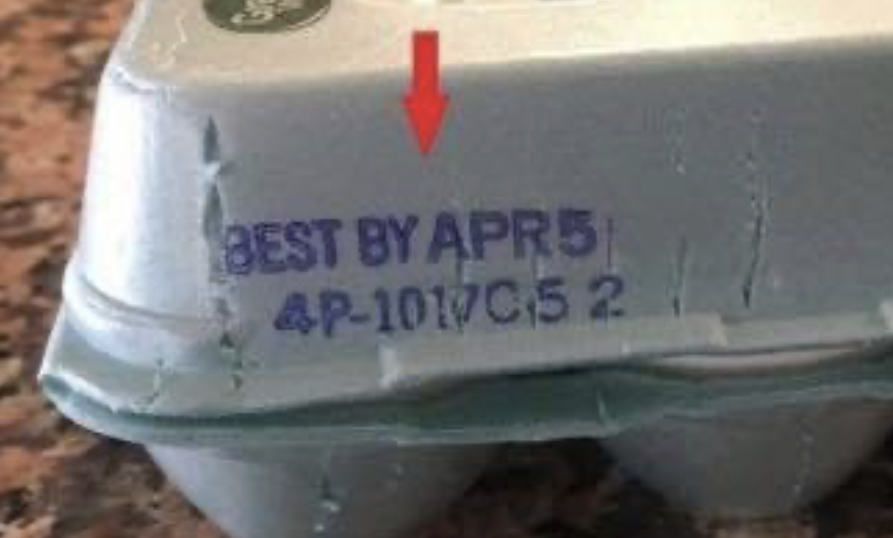
After working in grocery stores for years, one thing I’ve noticed is that most shoppers grab a carton of eggs without ever looking closely at the codes printed on it. But here’s the truth: those little numbers and letters aren’t random at all—they actually tell you how fresh your eggs are and even where they came from. If you love cooking with eggs, this detail can make a huge difference in your kitchen.
Why Egg Freshness Matters
Eggs are one of the most versatile ingredients in the kitchen. From fluffy omelets and creamy custards to decadent cakes and savory fried rice, the quality of your eggs affects the flavor, texture, and overall success of your dish.
That’s why it’s worth learning how to decode the carton before tossing it into your cart.
The Julian Date – The Key to Freshness
The most important number to look for on your egg carton is the three-digit Julian date.
-
This number represents the day of the year the eggs were packed.
-
For example:
-
001 = January 1st
-
365 = December 31st
-
Knowing this helps you track how fresh your eggs really are—something that the “sell by” or “expiration date” doesn’t always reveal.
👉 Tip: Eggs are best consumed within 30 days of the packing date (as long as they’re stored properly in the refrigerator).
What About the “P” Code?
You might also notice a code starting with the letter “P”. This is the plant code, which tells you the exact facility where the eggs were processed.
This information becomes especially important during product recalls. For example, during past salmonella outbreaks, being able to trace the Julian date and plant code helped consumers determine if their eggs were safe.
Egg Grades and Labels – What They Really Mean
Beyond freshness, you’ll also see a USDA grade shield on cartons:
-
Grade AA: The highest quality—firm whites and round yolks. Perfect for frying, poaching, or when presentation matters.
-
Grade A: Slightly less firm, but still excellent for everyday cooking and baking.
And don’t forget the other labels:
-
Organic: From hens fed organic feed, with no synthetic pesticides or fertilizers.
-
Pastured: Hens raised outdoors, often producing richer yolks and better flavor.
Final Thoughts
Next time you’re shopping for eggs, don’t just look at the expiration date. Take a moment to check the Julian date and plant code—it’s the secret to buying the freshest, highest-quality eggs. Not only will your meals taste better, but you’ll also have peace of mind knowing exactly what you’re bringing home.
So the next time you whip up a sunny-side-up breakfast or bake a cake, you’ll know your eggs are at their absolute best.