
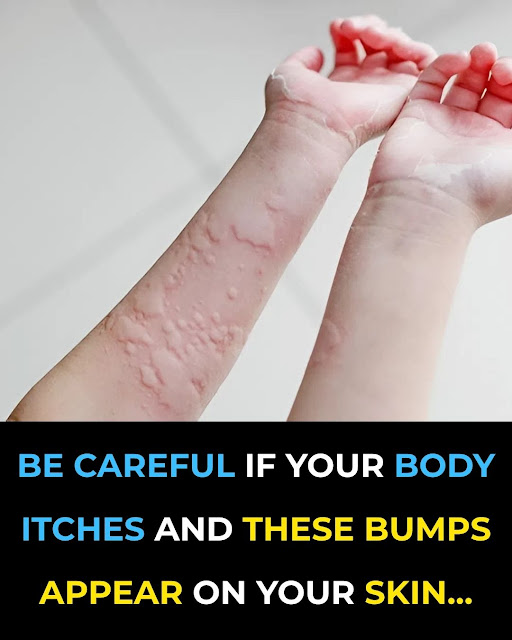
Surprising Causes of Hives Revealed — What May Be Triggering Your Skin Reaction
Introduction
Hives, also known as urticaria, are raised, itchy welts that appear on the skin — often suddenly. While some flare-ups are brief, others can persist for days or weeks, leaving sufferers frustrated and searching for answers.
Most people know allergies can cause hives, but did you know there are many surprising triggers that may be behind your skin reaction? Understanding these lesser-known causes can help you prevent future outbreaks and find relief faster.
What Are Hives?
Hives occur when histamine is released by your immune system, causing small blood vessels to leak fluid under the skin. This results in red, itchy welts that can vary in size and location.
Hives may be:
-
Acute (lasting less than 6 weeks)
-
Chronic (lasting more than 6 weeks)
Surprising Causes of Hives You Didn’t Expect
1. Stress and Anxiety
Emotional stress triggers a surge of cortisol and histamine, leading to hives even without physical allergens.
2. Temperature Changes
Rapid shifts — such as stepping from a warm room into cold air or hot showers — can cause cold-induced or heat-induced hives.
3. Exercise
Physical activity can raise body temperature and trigger cholinergic urticaria, a type of hive linked to sweating.
4. Certain Medications
Non-allergic reactions to aspirin, ibuprofen, or blood pressure medications can cause hives in sensitive individuals.
5. Pressure on the Skin
Tight clothing, watch straps, or even sitting too long can cause pressure hives, appearing hours after the pressure is removed.
6. Infections
Viral infections, such as common colds, strep throat, or hepatitis, can cause hives even without allergic triggers.
7. Sunlight (Solar Urticaria)
Exposure to sunlight may provoke hives in some people — a rare condition called solar urticaria.
8. Hormonal Changes
Fluctuations in hormones (menstrual cycle, pregnancy, menopause) can worsen or trigger hives.
When to See a Doctor
Seek immediate medical help if hives are accompanied by:
-
Swelling of lips, tongue, or throat
-
Difficulty breathing or swallowing
-
Dizziness or fainting
These may indicate anaphylaxis, a severe allergic reaction.
How to Manage and Prevent Hives
-
Identify triggers: Keep a journal of foods, stress, weather changes, and activities.
-
Use antihistamines: Over-the-counter options often relieve itching and swelling.
-
Avoid scratching: This worsens irritation — apply cool compresses instead.
-
Stay hydrated: Helps calm the skin and supports healing.
-
Consult a doctor: Especially for chronic or unexplained hives.
Conclusion
Hives aren’t always caused by obvious allergens — stress, temperature changes, or even pressure can trigger them. By recognizing these surprising causes, you can better manage your symptoms and avoid future flare-ups.
If hives persist or worsen, don’t ignore them — seek medical advice to uncover the root cause and find lasting relief.