
The Savvy Shopper’s Guide to Choosing the Sweetest Produce
Introduction
Nothing is more disappointing than biting into a piece of fruit expecting sweetness — only to find it bland or sour. Whether you shop at a farmers market, grocery store, or roadside stand, knowing how to pick perfectly ripe produce can save money and ensure the best flavor for your meals.
This guide will teach you how to identify sweet, ripe fruits and vegetables using sight, touch, and smell — so you’ll always bring home the best of the bunch.
General Tips for Picking Sweet Produce
-
Check Color: Rich, vibrant color usually signals ripeness and sweetness.
-
Feel the Weight: Heavier produce often contains more juice and flavor.
-
Smell the Aroma: A sweet, fragrant smell means it’s ready to eat.
-
Avoid Blemishes: Small marks are fine, but soft spots or mold indicate spoilage.
-
Seasonal Advantage: Buy in season for peak sweetness and better prices.
How to Choose Sweet Fruits
1. Watermelon
-
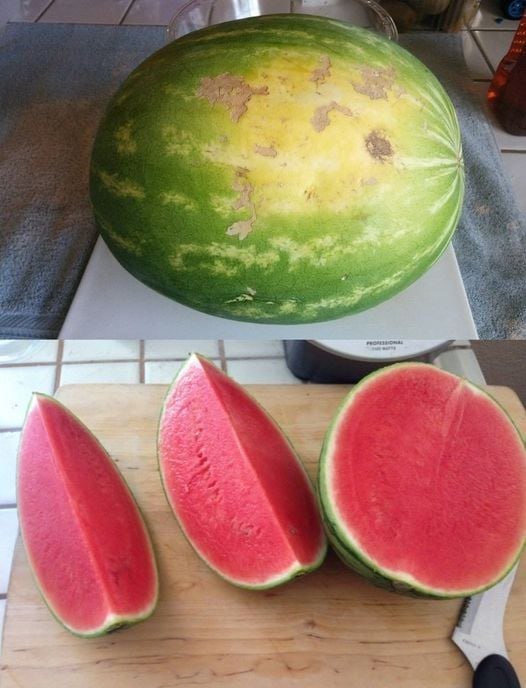
Look for a yellow field spot (where it rested on the ground).
-
Dull, matte skin indicates ripeness (shiny skin means underripe).
-
It should feel heavy for its size and produce a deep, hollow sound when tapped.
2. Pineapple
-
Sweet pineapples have bright green leaves and a golden-yellow color at the base.
-
A fragrant smell at the bottom indicates ripeness.
-
Leaves should pull out easily with a gentle tug.
3. Mango
-
Ripe mangoes give slightly when pressed and have a fruity aroma near the stem.
-
Color varies by variety, but look for deep red, orange, or yellow tones.
4. Strawberries
-
Pick berries that are uniformly red with shiny skin.
-
Avoid white or green tips — they won’t ripen further.
-
The sweetest berries are often smaller and fragrant.
5. Grapes
-
Choose plump grapes firmly attached to the stem.
-
Look for a powdery coating (bloom), which is natural and protects freshness.
-
Taste-test if allowed — the sweetest grapes will be full-flavored, not sour.
How to Choose Sweet Vegetables
1. Corn
-
Fresh sweet corn has bright green husks and moist, golden silk.
-
Kernels should be plump and tightly packed when peeled back slightly.
2. Tomatoes
-
Look for deep red (or yellow/orange for heirloom) color with no green shoulders.
-
A sweet tomato smells earthy and slightly floral at the stem.
3. Bell Peppers
-
The sweetest peppers are red, orange, or yellow (fully ripened).
-
They should feel firm and heavy with glossy skin.
4. Carrots
-
Smaller, thinner carrots are often sweeter than large ones.
-
Choose bright orange carrots with smooth skin and fresh green tops.
Shopping Tips for Maximum Sweetness
-
Buy Local: Local produce is often picked closer to peak ripeness.
-
Shop in the Morning: Freshly stocked produce is less handled and fresher.
-
Know the Season: Research what’s in season for naturally sweeter options.
-
Taste if Possible: Farmers markets often allow samples before buying.
Conclusion
Choosing the sweetest produce doesn’t require luck — just a little know-how. By observing color, weight, aroma, and seasonality, you can confidently pick fruits and vegetables that burst with flavor every time. Next time you shop, use these tips to save money, reduce waste, and enjoy every bite.