
Why Do Your Hands Fall Asleep? Common Causes and Natural Remedies That Actually Work
That tingling, numb feeling in your hands—often described as “falling asleep”—can be uncomfortable and sometimes worrying. In most cases, it’s harmless and temporary, but understanding the causes can help you prevent it and find relief.
What Does “Hands Falling Asleep” Mean?
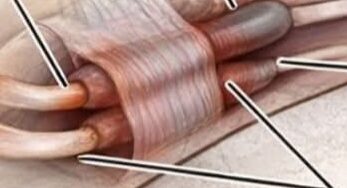
The sensation usually involves tingling, numbness, or a “pins and needles” feeling. Medically, this is related to paresthesia, which happens when nerves are compressed or irritated.
Common Causes
Nerve Compression
One of the most common reasons is pressure on a nerve, often from sleeping or sitting in an awkward position.
Poor Circulation
Reduced blood flow to the hands can also cause temporary numbness.
Repetitive Movements
Frequent use of hands (typing, phone use) can irritate nerves over time.
Medical Conditions
Persistent symptoms may be linked to conditions like Carpal Tunnel Syndrome or Diabetes.
Natural Remedies That May Help
Change Position Frequently
Avoid keeping your hands in the same position for long periods, especially during sleep.
Gentle Stretching
Simple hand and wrist stretches can help improve circulation and relieve pressure on nerves.
Warm Compress
Applying warmth can help relax muscles and improve blood flow.
Stay Hydrated
Proper hydration supports circulation and overall nerve function.
Balanced Nutrition
Ensure adequate intake of vitamins that support nerve health, such as B vitamins.
Simple Hand Exercise
Try this quick routine:
- Open and close your fists slowly 10–15 times
- Rotate your wrists in circles
- Stretch your fingers wide, then relax
Repeat a few times daily.
When to See a Doctor
You should seek medical advice if:
- Numbness happens frequently
- It lasts a long time
- You experience weakness or pain
- Symptoms worsen over time
What to Avoid
- Sleeping with pressure on your arms or hands
- Repetitive strain without breaks
- Ignoring persistent symptoms
Final Thoughts
Occasional hand numbness is usually harmless and often caused by temporary pressure on nerves. Simple changes like improving posture, stretching, and staying active can make a big difference.
However, if symptoms persist, it’s important to rule out underlying conditions like Carpal Tunnel Syndrome or Diabetes.