
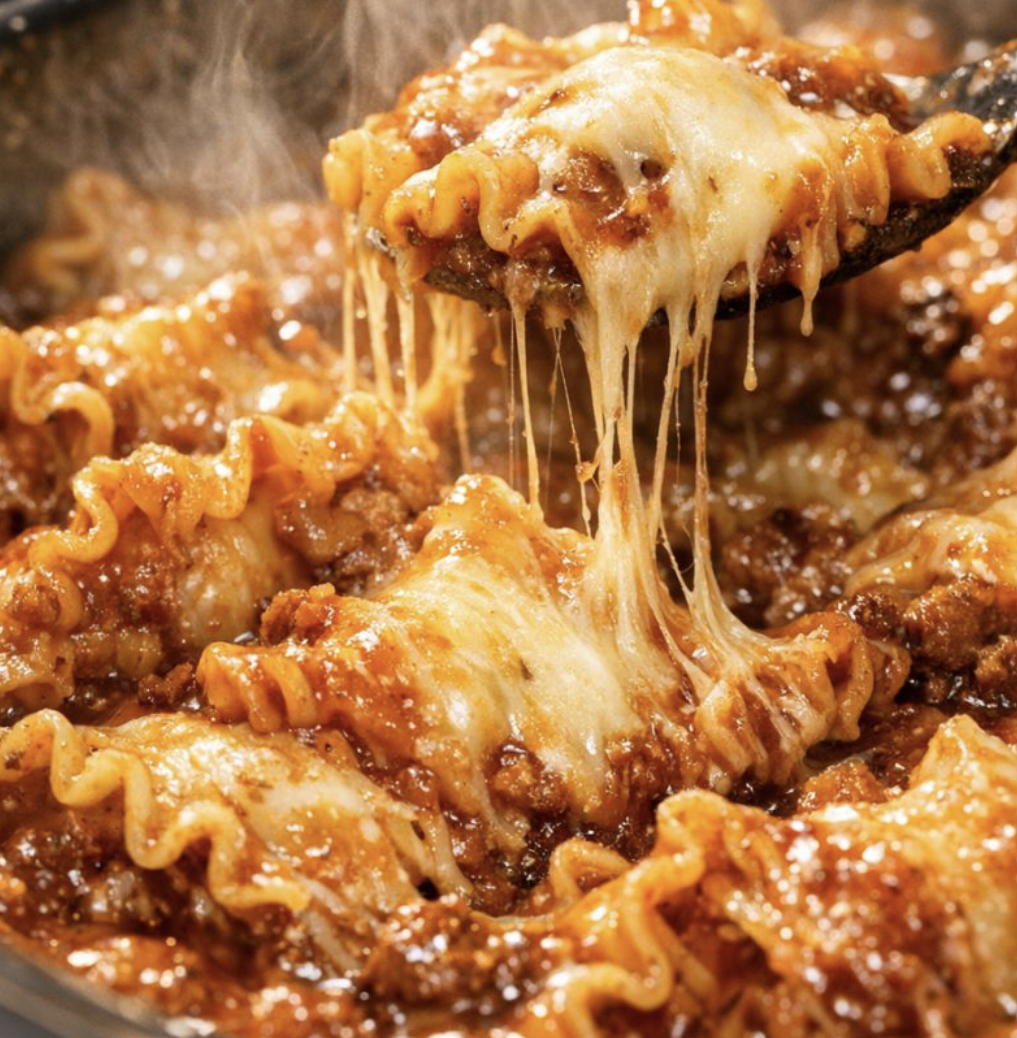
Spring is a season of renewal. Lighter meals. Brighter flavors. But let us be honest. Spring is also a season of chaos. School concerts. Sports practices. Garden planting. The last thing you have time for is standing over a pot of boiling pasta, stirring a simmering sauce, and watching a bubbling casserole in the oven.
This 4-Ingredient Slow Cooker Spring Mafalde is the solution.
Ruffled ribbon pasta. Jarred marinara. Low-sodium broth. Shredded mozzarella. That is the entire shopping list. You dump everything into the slow cooker, press a button, and walk away. Ninety minutes later, you return to a pot of tender, cheesy, saucy pasta that tastes like it simmered all afternoon on a Italian grandmother’s stove.
The pasta cooks right in the sauce. The starch from the noodles thickens the tomato-broth mixture into a glossy, clinging sauce. The mozzarella melts into stretchy, golden pools. And the ruffled edges of the mafalde catch every bit of that cheesy, tomatoey goodness.
Let me show you how to make it.
Why This Recipe Is a Weeknight Miracle
Before we dive into the method, here is why this slow cooker pasta will become a spring staple.
-
Only 4 ingredients. Short shopping list, minimal prep.
-
No boiling water. The pasta cooks directly in the sauce.
-
One pot. The slow cooker does everything.
-
Hands-off cooking. Set it and forget it.
-
No draining. No colander to clean.
-
Crowd-pleasing. Cheese, pasta, and tomato sauce are universally loved.
-
Perfect for spring. Light enough for warmer weather, hearty enough to satisfy.
Ingredients
Servings: 4
-
12 oz dry ruffled ribbon pasta (mafalde or similar)
-
3 cups jarred tomato-based pasta sauce (about 24 oz total), preferably a simple marinara
-
3 cups low-sodium chicken or vegetable broth
-
2 cups shredded low-moisture mozzarella cheese
Ingredient Notes
Ruffled ribbon pasta: Mafalde is the traditional choice. It is a long, wavy, ribbon-shaped pasta with ruffled edges that catch sauce beautifully. If you cannot find mafalde, look for mafaldine, reginette, or any wide, ruffled pasta. Fettuccine can work in a pinch, but the ruffled edges are part of the charm. Do not use small pasta like penne or rotini. They will become mushy.
Jarred tomato-based pasta sauce: Use a simple marinara or tomato basil sauce. Avoid chunky vegetable sauces or meat sauces, which have different water contents and cooking times. Look for a smooth, pourable sauce. Rao’s, Classico, or Bertolli all work well. Do not use pasta sauce with added sugar, which can burn in the slow cooker.
Low-sodium chicken or vegetable broth: Low-sodium is essential. Jarred pasta sauce already contains salt. Regular broth would make the dish too salty. Chicken broth adds richness. Vegetable broth keeps the dish vegetarian. Both work beautifully.
Shredded low-moisture mozzarella: Low-moisture mozzarella melts into that classic stretchy, gooey texture without making the dish watery. Fresh mozzarella releases too much liquid. Pre-shredded cheese is fine, but shredding your own from a block melts more smoothly.
Step-by-Step Instructions
Step 1: Prepare the Slow Cooker
Lightly coat the inside of a 4- to 6-quart slow cooker with a thin film of oil or nonstick spray. This helps prevent sticking and scorching along the edges, especially with tomato-based sauces that can burn.
Step 2: Make the Sauce Base
Pour the jarred tomato-based pasta sauce into the slow cooker. Add the low-sodium broth. Whisk or stir until the mixture looks smooth and evenly combined. It should be a loose, pourable sauce. Do not worry if it seems thin. The pasta will absorb liquid and release starch, thickening everything beautifully.
Step 3: Add the Pasta
Break the dry ruffled ribbon pasta in half so it nests more easily in the slow cooker. Add the pasta to the sauce. Press and stir gently so all the pieces are submerged and coated. Try to keep most of the pasta under the surface of the liquid to ensure even cooking. Some pieces may poke up. That is fine as long as most are covered.
Step 4: Slow Cook
Cover the slow cooker with the lid. Cook on HIGH for 1 hour 30 minutes to 2 hours. Stir once or twice if you are nearby, but it is not strictly necessary. The pasta is done when it is just tender but still holds its ruffled shape. The sauce will have thickened to a glossy, amber-orange color from the starch released by the pasta.
Step 5: Add Most of the Cheese
Once the pasta is barely tender, quickly lift the lid. Sprinkle 1 1/2 cups of the shredded mozzarella evenly over the top. Use a spoon to gently fold the cheese into the pasta and sauce so it melts throughout. Leave some cheese streaks and pockets for that stretchy, bubbling effect. Do not overmix.
Step 6: Top with Remaining Cheese
Sprinkle the remaining 1/2 cup of mozzarella over the surface in an even layer. This top layer will melt into a golden, bubbly crust.
Step 7: Final Cook
Cover again and cook on HIGH for another 10 to 15 minutes. The dish is ready when the cheese on top is fully melted, bubbling around the edges, and the surface looks glossy and lightly amber from the sauce peeking through.
Step 8: Rest and Serve
Turn the slow cooker to the WARM setting. Let the pasta sit, covered, for 5 to 10 minutes to thicken slightly. The sauce will cling to the ruffled edges, and you should see steam rising as you lift the lid. Serve straight from the slow cooker, scooping down to get both the creamy sauce and the stretchy top layer of cheese in each portion.
How to Serve Spring Mafalde
This pasta is a complete meal on its own, but a few simple additions can elevate it.
With a Green Salad: A simple salad with a lemony vinaigrette cuts through the richness of the cheese and tomato sauce.
With Garlic Bread: Crusty garlic bread is perfect for sopping up any leftover sauce in the bowl.
With Roasted Vegetables: Roasted asparagus, zucchini, or bell peppers add color, texture, and a fresh spring vibe.
With a Sprinkle of Fresh Herbs: Fresh basil, parsley, or oregano brightens the dish significantly. Add just before serving.
With Red Pepper Flakes: A sprinkle of red pepper flakes adds heat that contrasts beautifully with the creamy mozzarella.
Variations & Tips
Make It With Italian Sausage
Brown 1/2 pound of Italian sausage (casings removed) in a skillet. Drain and add to the slow cooker along with the pasta. The sausage adds protein and savory depth.
Make It Vegetarian
Use vegetable broth and ensure your pasta sauce is vegetarian. The dish is already meatless and satisfying.
Make It With Different Cheese
Substitute provolone, fontina, or a blend of Italian cheeses for the mozzarella. Parmesan can be sprinkled on top at the end.
Make It Creamy
Stir in 1/4 cup of heavy cream or half-and-half along with the first addition of cheese. The cream adds richness and a pinkish-orange color.
Make It With Spinach
Add 2 cups of fresh spinach during the last 10 minutes of cooking. Stir gently until wilted. The spinach adds color, nutrients, and a fresh flavor.
Make It Spicy
Use a spicy arrabiata sauce instead of marinara. Add 1/2 teaspoon of red pepper flakes to the sauce before cooking.
Make It With Vodka Sauce
Use a jarred vodka sauce instead of marinara. The creamy tomato sauce pairs beautifully with the mozzarella.
Pro Tips for Absolute Success
Do not use regular broth. Low-sodium is essential. The pasta sauce provides enough salt. Regular broth will make the dish overly salty and unpleasant.
Do not add the cheese at the beginning. Cheese added too early can become grainy and separate. Adding it at the end ensures a smooth, stretchy melt.
Do not stir too much. Gentle stirring is fine. Vigorous stirring will break the pasta and make the sauce muddy.
Do not overcook the pasta. Check for doneness at 1 hour 30 minutes. The pasta will continue to soften slightly during the cheese melt and the rest period. Better to undercook slightly than to end up with mushy pasta.
Use a 4- to 6-quart slow cooker. A smaller slow cooker will not hold all the ingredients. A larger slow cooker may cook the pasta unevenly because the liquid layer will be too shallow.
Let it rest on warm. The 5 to 10 minute rest on the WARM setting allows the sauce to thicken and the pasta to finish absorbing liquid. Skipping this step results in a thinner, soupier dish.
Frequently Asked Questions
Can I use a different shape of pasta?
Yes, but choose carefully. Wide, flat, ribbon-style pastas work best. Fettuccine, pappardelle, or tagliatelle are good substitutes. Avoid small pasta like penne, rotini, or elbow macaroni, which become mushy. Avoid long, thin pasta like spaghetti or angel hair, which clump together.
Can I use fresh pasta instead of dry?
Fresh pasta cooks much faster. Reduce the initial cook time to 30 to 45 minutes. Check frequently. Fresh pasta can become mushy quickly in the slow cooker.
Can I cook this on low instead of high?
No. Pasta needs the higher temperature of the HIGH setting to cook properly. Cooking on LOW will result in gummy, undercooked pasta.
My pasta turned out mushy. What went wrong?
You either overcooked it or used the wrong shape. Check at 1 hour 30 minutes. Do not cook longer than 2 hours. Use a sturdy ribbon pasta, not a delicate shape.
My sauce is too thin. What went wrong?
The pasta did not release enough starch, or you added too much liquid. Next time, use a little less broth. The sauce thickens as it rests on WARM, so be patient.
Can I double this recipe?
Only if your slow cooker is at least 7 quarts. Do not fill more than two-thirds full. If doubling, add 15 to 30 minutes to the cook time.
Can I freeze the leftovers?
Freezing is not recommended. The texture of the pasta and the cheese sauce will degrade significantly upon thawing. The pasta becomes mushy and the sauce separates. This dish is best fresh.
Can I add meat to this dish?
Yes. Cooked ground beef, Italian sausage, shredded chicken, or sliced meatballs can be added along with the pasta. If adding raw meat, brown it first. Do not add raw meat directly to the slow cooker with the pasta.
Can I make this dairy-free?
Use a dairy-free mozzarella alternative and ensure your pasta sauce is dairy-free. The texture will be different, and the cheese may not melt as smoothly.
What does mafalde mean?
Mafalde is a type of ribbon pasta named after Princess Mafalda of Savoy. It is also called mafaldine or reginette. The ruffled edges are designed to catch sauce. It is the perfect pasta for this dish.
Why Spring Mafalde?
Spring is a season of transition. The heavy, creamy casseroles of winter feel too rich. The bright, raw salads of summer feel too light. This slow cooker mafalde sits perfectly in the middle.
The tomato sauce is bright and acidic, reminiscent of summer tomatoes but deep enough for cooler evenings. The mozzarella adds richness without weighing the dish down. The broth keeps everything light and scoopable. And the pasta, with its ruffled edges, feels whimsical and festive.
This is not a winter pasta. It is not a summer pasta. It is a spring pasta. A pasta for April and May. A pasta for the weeks when the garden is just starting to show green and the windows are cracked open to let in the first warm breeze.
Make this for your family on a busy spring evening. Serve it with a simple salad and a glass of something cold. Watch everyone go back for seconds. That is what spring cooking should be.