
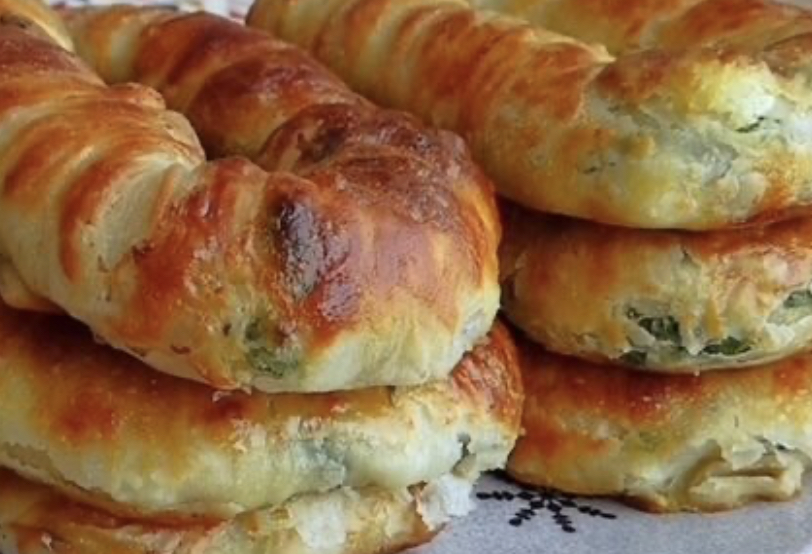
There are some foods that simply feel like home. Banycski (sometimes spelled “banytsky” or “banytski”) are one of those foods. These delightful, soft, savory yeast cakes hold a special place in Eastern European cuisine, particularly in Poland and Ukraine. Often enjoyed as a hearty breakfast, a satisfying snack, or a comforting side dish, these versatile treats are known for their pillowy interior and golden, crispy exterior.
The name “banycski” may not be familiar to everyone, but the experience is universal: warm, freshly baked bread, soft and yielding, with a satisfying chew and a golden crust. Whether served plain with a pat of butter, stuffed with a creamy herbed cheese filling, or brushed with melted butter and sprinkled with salt, banycski are guaranteed to bring warmth and flavor to your table.
This recipe provides a simple, foolproof method for creating these delicious morsels at home using basic ingredients you likely already have in your pantry. No special equipment. No hard-to-find flours. Just good, honest baking that yields extraordinary results.
Why You’ll Love This Recipe
-
Simple, pantry-friendly ingredients
-
Soft, pillowy texture with a golden crust
-
Versatile—serve plain, stuffed, or topped
-
Perfect for breakfast, snacks, or as a bread side
-
Freezer-friendly for make-ahead convenience
-
A taste of Eastern European tradition
Banycski
Prep Time: 20 minutes | Rising Time: 1-1.5 hours | Cooking Time: Varies by method | Total Time: Approximately 2-3 hours
Yield: About 12-16 banycski
Ingredients
For the Dough:
-
1 cup lukewarm water
-
1 cup lukewarm milk
-
1 teaspoon salt
-
1 teaspoon sugar
-
1 teaspoon dried yeast
-
1 tablespoon oil
-
4½ cups all-purpose flour (or gradually as needed)
For the Shortening (Brushing):
-
50 grams butter (about 3½ tablespoons)
-
½ teaspoon oil (50 ml is a typo; use ½ teaspoon)
Optional Filling:
-
Ricotta cheese
-
Fresh parsley, chopped
-
Salt and pepper to taste
For the Topping:
-
1 egg yolk mixed with 1 teaspoon oil or milk (for egg wash)
Instructions
1. Activate the Yeast:
In a large bowl, combine the lukewarm water and lukewarm milk. The temperature should be comfortable to the touch, like warm bathwater. Water that is too hot will kill the yeast; water that is too cold will not activate it.
Sprinkle in the sugar and dried yeast, giving it a gentle stir. Let the mixture sit for about 5 to 10 minutes until it becomes frothy and bubbly. This foam indicates that your yeast is active and ready to go.
2. Make the Dough:
Add the salt and 1 tablespoon of oil to the yeast mixture. Begin adding the flour, one cup at a time, mixing well with a spoon or your hands after each addition. The dough will start to come together.
Continue adding flour until the dough becomes soft, smooth, and slightly sticky but manageable. You may not need the full 4½ cups, or you might need a little more, depending on the flour and humidity.
3. Knead the Dough:
Knead the dough in the bowl or on a lightly floured surface for about 5 to 7 minutes until it feels elastic. The dough should be smooth and spring back slightly when pressed.
4. Let the Dough Rise:
Lightly oil the dough ball and place it back in the bowl. Cover the bowl with a clean kitchen towel or plastic wrap. Set it in a warm, draft-free place for about 1 to 1½ hours, or until the dough has doubled in size.
5. Prepare the Filling (Optional):
While the dough is rising, prepare the filling if using. In a small bowl, mix the ricotta cheese with plenty of chopped fresh parsley. Season with a pinch of salt and pepper.
6. Prepare the Shortening:
For the brushing mixture, simply melt the 50 grams of butter and mix it with the ½ teaspoon of oil. This will be used to brush the banycski before or after baking.
7. Shape the Banycski:
Once the dough has risen, punch it down gently to release the air. Turn it out onto a lightly floured surface.
For plain banycski: Pinch off small pieces of dough (about the size of a golf ball) and roll them into smooth balls. Flatten slightly with your palm.
For filled banycski: Roll the dough into a circle, place a small spoonful of the ricotta-parsley filling in the center, then bring the edges together to seal. Gently flatten into a small cake.
8. Second Rise:
Place the shaped banycski on a parchment-lined baking sheet, leaving space between them. Cover with a towel and let them rise for another 20 to 30 minutes, until puffy.
9. Preheat and Brush:
Preheat your oven to 375°F (190°C) if baking, or heat a skillet with oil over medium heat if frying.
Brush the tops of the banycski with the egg yolk mixture (1 egg yolk mixed with 1 teaspoon oil or milk) for a golden, shiny crust.
10. Cook:
-
To bake: Bake in the preheated oven for 15 to 20 minutes, until golden brown on top and cooked through.
-
To fry: Heat oil in a skillet over medium heat. Fry the banycski for 2-3 minutes per side, until golden brown and puffed.
11. Brush with Butter:
As soon as the banycski come out of the oven or skillet, brush them generously with the melted butter and oil mixture. This gives them a soft, rich finish.
12. Serve:
Serve warm. Banycski are delicious on their own, with a pat of butter, or alongside soups, stews, or hearty breakfast dishes.
Recipe Notes & Pro Tips
What Are Banycski? Banycski (pronounced bah-NIT-skee) are traditional Eastern European yeast cakes, related to Polish “bułeczki” (bread rolls) and Ukrainian “pampushky” (garlic bread rolls). They are typically small, round, soft, and served warm. They can be plain, stuffed with cheese or other fillings, or brushed with garlic butter.
Yeast Temperature is Crucial: The water and milk mixture should be warm but not hot—about 105°F to 115°F (40°C to 46°C). If it is too hot, it will kill the yeast. If it is too cold, the yeast will not activate. If your kitchen is cold, let the dough rise in the oven with the light on (but the oven off).
Flour Amounts May Vary: The amount of flour needed can vary based on humidity, altitude, and the specific brand of flour. Add the flour gradually, stopping when the dough is soft, smooth, and only slightly sticky. Over-flouring will result in dense, dry banycski.
Baking vs. Frying: Traditional banycski can be either baked or fried. Baked banycski are lighter and bread-like. Fried banycski are richer, with a crispy exterior and a soft interior. Both are delicious. Try both methods to see which you prefer.
Make Ahead: You can prepare the dough through the first rise, then punch it down and refrigerate overnight. In the morning, let it come to room temperature, shape, rise again, and bake or fry.
Freezing: Baked or fried banycski freeze beautifully. Cool completely, then place in a freezer bag. Reheat in a 350°F oven for 5-10 minutes or in a toaster oven.
Variations
Garlic Banycski: After baking or frying, brush the banycski with melted butter mixed with 2-3 cloves of minced fresh garlic and a pinch of salt. Sprinkle with fresh parsley.
Cheese-Stuffed Banycski: Use the ricotta and parsley filling described above, or try farmer’s cheese, cottage cheese (drained), or a mixture of shredded mozzarella and Parmesan.
Herbed Banycski: Add 1 tablespoon of fresh or 1 teaspoon of dried herbs (dill, parsley, chives, or thyme) to the dough along with the flour.
Sweet Banycski: Omit the salt and add 2 tablespoons of sugar and 1 teaspoon of vanilla extract to the dough. Fill with sweetened farmer’s cheese or jam. Dust with powdered sugar after baking.
Onion Banycski: Sauté 1 finely chopped onion in butter until soft and golden. Mix into the dough before the second rise, or use as a filling with cheese.
Everything Banycski: After brushing with egg wash, sprinkle with everything bagel seasoning before baking or frying.
Serving Suggestions
Banycski are incredibly versatile. Serve them:
-
As a breakfast bread with butter and jam
-
Alongside borscht, chicken soup, or beef stew
-
As a snack with sour cream or herbed butter
-
Stuffed with cheese as a savory hand pie
-
Toasted and topped with eggs for breakfast
-
As a side for roasted meats or braised vegetables
For a traditional Eastern European meal, serve banycski with:
-
Borscht (beet soup)
-
Smetana (sour cream)
-
Pickled vegetables
-
Fresh dill
Storage & Reheating
Store baked or fried banycski in an airtight container at room temperature for up to 2 days, or in the refrigerator for up to 5 days.
To reheat, place them in a 350°F oven for 5-10 minutes, or microwave for 20-30 seconds. The oven method better restores the crispy exterior.
Banycski freeze well for up to 3 months. Thaw overnight in the refrigerator, then reheat as above.
The Tradition of Banycski
Eastern European baking traditions are rich with recipes that use simple ingredients to create foods of extraordinary comfort. Banycski are part of that tradition. They are the kind of bread that grandmothers made on cold mornings, filling the kitchen with the warm, yeasty aroma of rising dough.
These little cakes are not fancy. They are not complicated. But they are deeply satisfying. Whether you eat them plain, with a bowl of soup, or stuffed with cheese and herbs, they have a way of making a meal feel special. They are proof that the best foods often come from the simplest recipes.
This version is adapted for modern home bakers, using easy-to-find ingredients and straightforward techniques. No special skills required. Just a little patience and a warm spot for the dough to rise. In return, you get warm, soft, golden banycski that taste like love. Perfect for breakfast, perfect for dinner, perfect for any time you need a little comfort.