
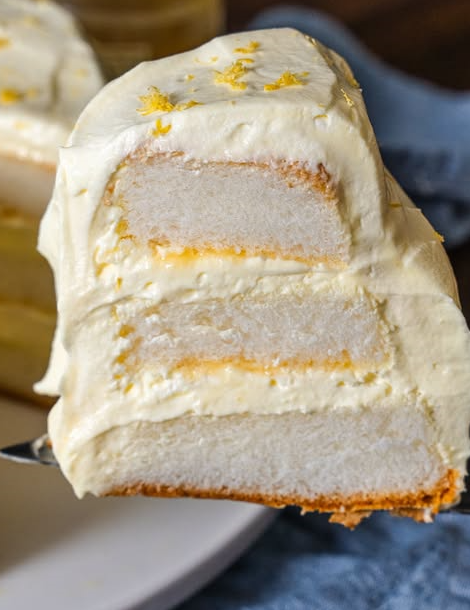
The Ultimate Guide to Lemon Angel Cake: A Light and Zesty Classic
Lemon Angel Cake is the perfect dessert for those who appreciate the delicate balance of airy texture and bright, citrusy flavor. This heavenly cake takes the classic angel food cake—known for its cloud-like crumb and fat-free elegance—and elevates it with the sunny, refreshing taste of fresh lemon. The result is a dessert that feels indulgent yet light, making it ideal for spring celebrations, summer gatherings, or any occasion that calls for a sophisticated yet simple treat. In this comprehensive guide, we will provide you with a complete recipe, detailed ingredient breakdowns, expert preparation tips, and answers to the most frequently asked questions. This article is your definitive resource for mastering Lemon Angel Cake.
Recipe Overview
Lemon Angel Cake is a classic American dessert that relies on whipped egg whites for its signature light and fluffy texture. Unlike butter-based cakes, this cake contains no fat, making it a popular choice for those seeking a lower-calorie treat. The addition of fresh lemon zest and juice infuses the cake with bright, natural citrus flavor. This recipe takes approximately 30 minutes of active preparation time and requires 35 to 40 minutes of baking time. It serves ten to twelve people and is best enjoyed with fresh berries and a dollop of whipped cream.
Complete Ingredient List
For the Cake:
-
1 cup cake flour, sifted
-
1 1/2 cups granulated sugar, divided
-
12 large egg whites, at room temperature
-
1 teaspoon cream of tartar
-
1/2 teaspoon salt
-
1 teaspoon vanilla extract
-
2 teaspoons fresh lemon zest
-
2 tablespoons fresh lemon juice
For the Lemon Glaze (Optional):
-
1 cup powdered sugar, sifted
-
2 to 3 tablespoons fresh lemon juice
-
1 teaspoon fresh lemon zest
For Serving (Optional):
-
Fresh strawberries, blueberries, or raspberries
-
Whipped cream or vanilla ice cream
-
Additional lemon zest for garnish
Step-by-Step Preparation Instructions
Step 1: Prepare the Oven and Pan
Preheat your oven to 325 degrees Fahrenheit. Do not grease your angel food cake pan. The cake needs to cling to the sides of the ungreased pan in order to rise properly and maintain its structure. If you are using a two-piece angel food cake pan, ensure the bottom piece is securely in place.
Step 2: Sift the Flour and Sugar
In a medium mixing bowl, combine the cake flour and 3/4 cup of the granulated sugar. Sift this mixture together three times. This step is crucial for achieving a light, airy texture. The repeated sifting aerates the flour and ensures the sugar is evenly distributed, which helps prevent streaks in the finished cake.
Step 3: Whip the Egg Whites
Place the room-temperature egg whites in the bowl of a stand mixer fitted with the whisk attachment or in a large mixing bowl if using a hand mixer. Beat the egg whites on medium speed until they become frothy and form soft peaks. Add the cream of tartar and salt, then continue beating until soft peaks form. The cream of tartar stabilizes the egg whites and helps them hold their volume.
Step 4: Gradually Add the Sugar
With the mixer running on medium-high speed, gradually add the remaining 3/4 cup of granulated sugar, one tablespoon at a time. This should take about two to three minutes. Continue beating until the egg whites form stiff, glossy peaks that hold their shape when the whisk is lifted. Do not overbeat, or the egg whites will become dry and grainy.
Step 5: Add the Flavorings
Gently fold in the vanilla extract, fresh lemon zest, and fresh lemon juice using a rubber spatula. Be careful not to deflate the egg whites. The lemon juice may cause the egg whites to deflate slightly, which is normal, but work quickly and gently to preserve as much volume as possible.
Step 6: Fold in the Flour Mixture
Sprinkle the sifted flour and sugar mixture over the egg whites in three additions. Using a large rubber spatula, gently fold the flour into the egg whites with each addition. Use a cutting motion with the spatula and turn the bowl as you fold. Be careful not to overmix; the batter should be well combined with no visible streaks of flour, but it should not be stirred vigorously.
Step 7: Transfer to the Pan
Gently pour or spoon the batter into the ungreased angel food cake pan. Smooth the top with the spatula. To release any large air bubbles, gently run a knife or spatula through the batter in a figure-eight motion. This helps create a finer, more even crumb.
Step 8: Bake the Cake
Place the pan in the preheated oven and bake for 35 to 40 minutes, or until the top is golden brown and the cake springs back when lightly touched. For the most accurate test, a wooden skewer inserted into the center of the cake should come out clean.
Step 9: Cool the Cake Upside Down
Immediately after removing the cake from the oven, invert the pan onto a cooling rack or place it over the neck of a bottle to allow air to circulate around it. Cooling the cake upside down prevents it from collapsing while it cools. Allow the cake to cool completely for one to two hours.
Step 10: Remove from the Pan
Once the cake is completely cool, carefully run a thin knife or offset spatula around the edges of the pan to loosen the cake. Gently release the cake from the pan. If using a two-piece pan, push the bottom up through the center to remove the cake.
Step 11: Prepare the Glaze and Serve
In a small bowl, whisk together the powdered sugar, lemon juice, and lemon zest until smooth. Drizzle the glaze over the cooled cake. Garnish with fresh berries and whipped cream if desired. Slice with a serrated knife using a gentle sawing motion to preserve the cake’s delicate texture.
Expert Tips for Perfect Lemon Angel Cake
Tip 1: Use Room Temperature Egg Whites
Egg whites whip to a greater volume when they are at room temperature. Separate your eggs and allow the whites to sit at room temperature for at least 30 minutes before beginning. Cold eggs are harder to separate cleanly, so separating cold eggs and then letting them warm up is the best approach.
Tip 2: Ensure No Trace of Fat
Any fat or yolk in the egg whites will prevent them from whipping properly. Separate the eggs carefully, making sure no yolk contaminates the whites. Use a clean, grease-free mixing bowl and utensils. Wipe your bowl with vinegar or lemon juice before starting to remove any residual oils.
Tip 3: Sift the Flour and Sugar Together
Sifting the flour and sugar together multiple times incorporates air and ensures an even distribution of ingredients. This step is essential for a light, uniform crumb and prevents heavy pockets of flour in the cake.
Tip 4: Fold Gently and Deliberately
The key to a successful angel food cake is preserving as much air as possible in the beaten egg whites. Fold the flour mixture into the egg whites gently using a spatula, not a whisk. Overmixing will deflate the batter and result in a dense, chewy cake.
Tip 5: Do Not Grease the Pan
An ungreased pan is essential for an angel food cake. The batter needs to grip the sides of the pan to climb and rise as it bakes. If the pan is greased, the cake will not rise properly and may collapse as it cools.
Tip 6: Cool Upside Down
Cooling the cake upside down is non-negotiable. This prevents the delicate structure from collapsing under its own weight. If your pan does not have feet, invert it over the neck of a glass bottle or a cooling rack with elevated edges.
Frequently Asked Questions
Q1: Can I use all-purpose flour instead of cake flour?
Cake flour is strongly recommended for this recipe because it has a lower protein content, which produces a tender, light crumb. If you do not have cake flour, you can substitute by removing two tablespoons of all-purpose flour for each cup and replacing it with two tablespoons of cornstarch. Sift the mixture together multiple times.
Q2: Can I make this cake ahead of time?
Yes, Lemon Angel Cake can be made a day in advance. Store it in an airtight container at room temperature. Do not refrigerate the cake, as this can dry it out. If you have glazed the cake, wait until just before serving to add the glaze for the best texture.
Q3: Can I freeze Lemon Angel Cake?
Yes, angel food cake freezes well. Wrap the cooled, unglazed cake tightly in plastic wrap and then in aluminum foil. Freeze for up to three months. Thaw at room temperature before adding the glaze and serving.
Q4: Why did my angel food cake collapse?
A collapsed angel food cake can result from several issues. The egg whites may have been underbeaten, overbeaten, or deflated during folding. The cake may have been underbaked, or it may not have been cooled upside down. Ensure you follow the temperature and timing guidelines carefully.
Q5: Can I make this recipe into cupcakes?
Yes, you can bake angel food cake batter in cupcake liners. Fill the liners about three-quarters full and bake at 325 degrees Fahrenheit for 15 to 18 minutes. Cool the cupcakes upside down on a wire rack to prevent them from collapsing.
Q6: How do I prevent streaks in my angel food cake?
Streaks usually occur when the flour mixture is not folded in evenly. Sifting the flour and sugar mixture thoroughly and folding it in three additions, ensuring each addition is fully incorporated before adding the next, will prevent streaks.
Q7: Can I add more lemon flavor?
Yes, you can enhance the lemon flavor by adding lemon extract in addition to the fresh zest and juice. Use one teaspoon of lemon extract along with the vanilla. You can also add a layer of lemon curd between slices or serve the cake with lemon sauce.
Q8: Why is my angel food cake rubbery?
A rubbery texture is usually the result of overmixing the batter, which develops too much gluten. Fold the flour in gently and stop as soon as the streaks disappear. Overbaking can also contribute to a rubbery texture.
Q9: Can I use a different type of pan?
Angel food cake requires a tube pan with a removable bottom. Using a different type of pan will affect the baking time and the cake’s ability to rise. Do not use a non-stick or greased pan, as the cake needs to cling to the sides to rise properly.
Q10: Can I add other citrus flavors?
Absolutely. This recipe works beautifully with orange, lime, or grapefruit zest and juice. You can also combine lemon with other citrus for a unique flavor profile.
Nutritional Information
The nutritional information below is an estimate for one serving of Lemon Angel Cake, assuming the recipe serves twelve people. This estimate does not include optional glaze or toppings.
-
Calories: 160 kcal
-
Protein: 5g
-
Carbohydrates: 33g
-
Fiber: 0g
-
Sugar: 26g
-
Fat: 0.5g
-
Saturated Fat: 0g
-
Cholesterol: 0mg
-
Sodium: 210mg
Final Thoughts
Lemon Angel Cake is a timeless dessert that proves simplicity can be truly spectacular. With its ethereal texture, bright citrus flavor, and beautiful golden crust, this cake is a celebration of the humble egg white and the power of careful technique. Whether you are serving it at a spring brunch, a birthday party, or a summer barbecue, it is guaranteed to impress guests who appreciate desserts that are elegant, light, and full of flavor. The key to success lies in the details: room temperature egg whites, gentle folding, an ungreased pan, and upside-down cooling. Follow these guidelines, and you will create a Lemon Angel Cake that is as beautiful as it is delicious. Enjoy it with fresh berries and whipped cream for a truly heavenly experience.