
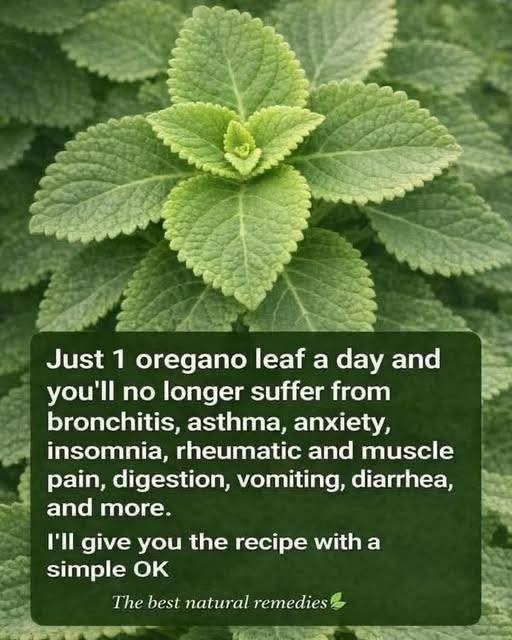
Oregano is one of those herbs that many of us have sitting in our spice racks, dusted off occasionally for a pot of spaghetti sauce or a sprinkle on pizza. But this fragrant Mediterranean herb has a history that stretches far beyond the kitchen. For centuries, oregano has been valued in traditional medicine systems for its remarkable therapeutic properties.
While no single herb can cure serious medical conditions, oregano does offer genuine health benefits when used appropriately. In this article, we’ll explore the real science behind oregano, its traditional uses, and practical ways to incorporate it into your wellness routine.
What Is Oregano?
Oregano (Origanum vulgare) is a flowering plant in the mint family (Lamiaceae), native to the Mediterranean region and western Asia. Its name comes from the Greek words “oros” (mountain) and “ganos” (joy) — literally “joy of the mountain.”
The oregano commonly found in your spice rack is typically dried Mediterranean oregano. There are also several varieties, including Greek oregano, Italian oregano, and Mexican oregano (which is actually a different plant family but similar in flavor).
Oregano vs. Marjoram
Oregano is often confused with its cousin marjoram. While they look similar, oregano has a stronger, more pungent, slightly bitter flavor, while marjoram is sweeter and more delicate.
The Active Compounds in Oregano
Oregano’s health benefits come from its rich concentration of bioactive compounds, including:
| Compound | Primary Benefit |
|---|---|
| Carvacrol | Antimicrobial, anti-inflammatory |
| Thymol | Antifungal, immune-supporting |
| Rosmarinic acid | Antioxidant, anti-inflammatory |
| Luteolin | Neuroprotective, anti-inflammatory |
| Beta-caryophyllene | May reduce inflammation |
These compounds work synergistically, meaning their combined effect is greater than any single compound alone.
Evidence-Based Health Benefits of Oregano
1. Rich in Antioxidants
Oregano is one of the most antioxidant-rich herbs available. Antioxidants help protect your cells from damage caused by free radicals — unstable molecules that contribute to aging and chronic diseases.
What the science says: Studies have shown that oregano has significantly higher antioxidant activity than many other herbs, including thyme, rosemary, and sage. A single teaspoon of dried oregano contains as many antioxidants as a cup of fresh blueberries.
2. Supports Digestive Health
Traditionally, oregano has been used to relieve bloating, indigestion, and other digestive discomforts.
What the science says: The carvacrol and thymol in oregano may help relax digestive tract muscles and reduce gas. Oregano also has mild antimicrobial properties that may help maintain healthy gut flora balance.
How to use: Oregano tea (steep 1 teaspoon of dried oregano in hot water for 5–10 minutes) is a traditional remedy for mild digestive upset.
3. May Help Fight Bacterial Infections
Oregano oil has demonstrated antibacterial properties in laboratory studies, particularly against certain strains of bacteria.
Important note: This does NOT mean oregano can replace antibiotics prescribed by a doctor. However, oregano oil is sometimes used in natural protocols for minor bacterial issues under professional guidance.
What the research shows: Studies have found that carvacrol can damage bacterial cell membranes. Some research suggests oregano oil may be effective against antibiotic-resistant bacteria in laboratory settings, but human studies are limited.
4. Anti-Inflammatory Properties
Chronic inflammation is linked to many health conditions, including arthritis, heart disease, and metabolic disorders.
What the science says: The rosmarinic acid and carvacrol in oregano have demonstrated anti-inflammatory effects in multiple studies. While not a replacement for anti-inflammatory medications, oregano may be a helpful addition to an anti-inflammatory diet.
5. May Support Respiratory Health
Traditional medicine systems have long used oregano for coughs, colds, and respiratory congestion.
What the science says: The volatile oils in oregano may help loosen mucus and soothe irritated airways. Oregano tea or steam inhalation with oregano essential oil (properly diluted) is sometimes used for mild respiratory discomfort.
Important: Oregano is NOT a treatment for asthma, bronchitis, pneumonia, or other serious respiratory conditions. Always consult a doctor for these conditions.
6. Antifungal Properties
Oregano oil has demonstrated antifungal activity against Candida species in laboratory studies.
What the research shows: Thymol and carvacrol appear to disrupt fungal cell membranes. Some natural health practitioners use oregano oil as part of protocols for candida overgrowth, but more human research is needed.
Oregano Oil vs. Dried Oregano
It’s important to understand the difference between oregano as a culinary herb and oregano essential oil.
| Form | Uses | Strength |
|---|---|---|
| Fresh or dried oregano | Cooking, teas, mild digestive support | Gentle, safe for regular use |
| Oregano essential oil | Topical (diluted), aromatherapy, potent antimicrobial | Very strong, must be diluted, never take internally without professional guidance |
⚠️ Safety warning: Oregano essential oil is highly concentrated and can cause burns or irritation if used undiluted. It should never be ingested unless under the guidance of a qualified professional.
How to Use Oregano Safely
Culinary Uses (Safe for Everyone)
-
Sprinkle dried oregano on pizza, pasta, roasted vegetables, eggs, or salads
-
Add fresh oregano to marinades, salad dressings, or soups
-
Infuse olive oil with oregano for dipping bread
Oregano Tea (For Mild Digestive or Respiratory Support)
Recipe:
-
1 teaspoon dried oregano (or 2 teaspoons fresh)
-
1 cup boiling water
-
Steep for 5–10 minutes
-
Strain and drink
-
Add honey and lemon to taste
Oregano-Infused Oil (For Topical Use)
Recipe:
-
Fill a small jar with fresh oregano leaves
-
Cover with olive oil
-
Let steep in a sunny window for 1–2 weeks
-
Strain and use for cooking or as a massage oil for sore muscles
Oregano Essential Oil (For External Use Only)
-
Always dilute with a carrier oil (coconut, jojoba, or olive oil)
-
Typical dilution: 2–3 drops of oregano oil per tablespoon of carrier oil
-
Use for massage on sore muscles or chest congestion (avoid sensitive areas)
Precautions and Side Effects
While oregano is generally safe when used in food amounts, there are important precautions:
Pregnancy and breastfeeding: Culinary amounts of oregano are likely safe, but medicinal amounts (teas, supplements, essential oil) should be avoided unless approved by a doctor.
Allergies: People allergic to plants in the mint family (basil, lavender, mint, sage, thyme) may also be allergic to oregano.
Blood thinners: Oregano contains vitamin K, which can interfere with blood-thinning medications like warfarin. Consult your doctor if you take blood thinners.
Surgery: Stop using medicinal amounts of oregano at least two weeks before scheduled surgery, as it may affect blood clotting.
Iron absorption: Oregano contains compounds that can reduce iron absorption. If you have iron deficiency, avoid consuming large amounts of oregano with iron-rich meals.
What Oregano Cannot Do (Important Reality Check)
Despite claims circulating online, oregano is NOT a cure for:
-
Bronchitis or pneumonia
-
Asthma
-
COVID-19
-
Cancer
-
Heart disease
-
Severe bacterial infections
These conditions require proper medical diagnosis and treatment. Oregano can be a supportive herb for mild ailments, but it should never replace prescribed medications or professional medical care.
A Simple Oregano Tea Recipe for Minor Discomfort
This tea is best suited for mild digestive upset, minor congestion, or as a soothing warm beverage.
Ingredients:
-
1 teaspoon dried oregano (or 2–3 fresh leaves)
-
1 cup hot water
-
1 teaspoon honey (optional)
-
1 teaspoon lemon juice (optional)
Instructions:
-
Place oregano in a mug.
-
Pour hot water over the herb.
-
Cover and steep for 5–10 minutes.
-
Strain (if using loose oregano).
-
Add honey and lemon to taste.
-
Sip slowly.
When to use: This tea may help with mild bloating, gas, or a scratchy throat. If symptoms persist or worsen, see a doctor.
Frequently Asked Questions
Can I eat raw oregano leaves?
Yes, fresh oregano leaves are edible and can be used in salads, sandwiches, or as a garnish. The flavor is quite strong, so a little goes a long way.
How much oregano should I use daily?
There is no standard dosage for culinary oregano. Using 1–2 teaspoons of dried oregano in cooking or as tea is generally considered safe. Oregano essential oil should only be used as directed.
Is oregano good for colds?
Oregano tea may help soothe a sore throat and provide mild relief from congestion. However, it is not a cure for the common cold or flu. Rest, hydration, and medical care are most important.
Can oregano help with weight loss?
There is no evidence that oregano directly causes weight loss. However, using herbs to flavor food can help reduce the need for salt, sugar, and unhealthy fats.
Where should I buy oregano?
Dried oregano is available at any grocery store. Fresh oregano is found in the produce section. High-quality oregano essential oil should be purchased from reputable suppliers.
The Bottom Line
Oregano is a wonderful herb with genuine health benefits — when used appropriately. It’s rich in antioxidants, supports digestive health, and has mild antimicrobial and anti-inflammatory properties. A cup of oregano tea or a sprinkle of oregano on your dinner can be a lovely addition to a healthy lifestyle.
But oregano is not a miracle cure. No single herb can replace medical care for serious conditions like asthma, bronchitis, or infections. If you’re dealing with a health concern, please see a doctor.
Use oregano wisely, enjoy its flavor, and appreciate it for what it is: a humble, fragrant herb with a long history of both culinary and traditional medicinal use.