
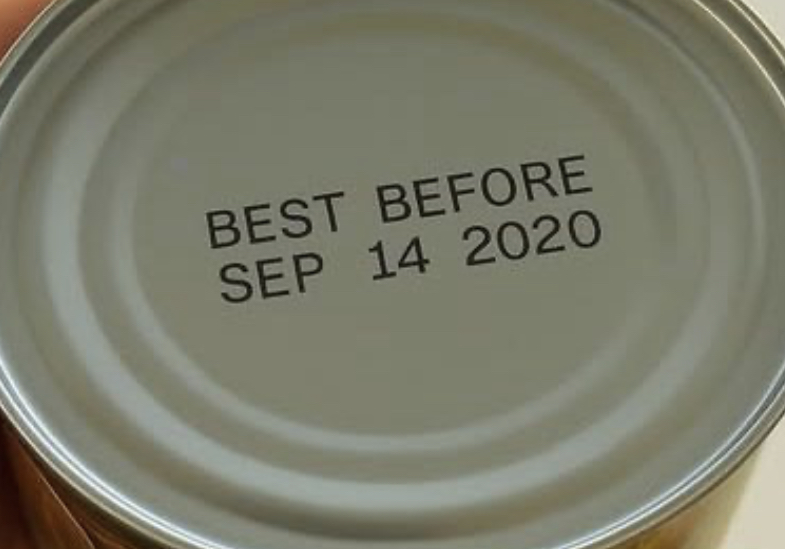
Hidden behind jars of pasta sauce and bags of rice, most pantries have a few forgotten cans — maybe beans, soup, or vegetables pushed to the back and left for years. When you finally find them, the instinct is usually to check the printed date. Seeing that it’s long expired, many people toss it immediately.
But here’s the truth: most “expired” canned foods are still safe to eat. Those printed dates rarely mean what you think they do — and understanding that difference can save money, reduce waste, and even bust a few long-held kitchen myths.
The Real Meaning Behind Expiration Dates
Food labeling can be confusing — sometimes even misleading. Terms like “Best By,” “Best Before,” and “Use By” are not strict expiration dates. Instead, they’re manufacturer recommendations for peak quality.
-
“Best By” / “Best Before” → Indicates when the food tastes and looks its best. After that date, flavor or texture may decline, but it’s generally still safe.
-
“Use By” → Common on perishable products like milk or deli meats, suggesting when the item is at its freshest.
For canned goods, these dates are more about quality than safety. According to the U.S. Department of Agriculture (USDA), properly stored canned foods can remain safe for decades — even indefinitely in some cases.
The Science Behind Canned Food Longevity
Canned food lasts so long because of the preservation process. The contents are sealed and then cooked at high temperatures, killing bacteria and creating a vacuum that prevents new microorganisms from entering.
As long as that seal remains intact, the food inside is protected.
Storage conditions play the biggest role in longevity:
-
Keep cans in a cool, dry, dark place (below 85°F / 29°C).
-
Avoid humidity and heat, which can corrode cans and weaken the seal.
Shelf life by type:
-
🥫 High-acid foods (tomatoes, pineapple, citrus) → 12–18 months.
-
🥕 Low-acid foods (beans, corn, peas, meat, potatoes) → 3–5 years or longer.
If stored well, even cans a decade old can still be edible.
When “Expired” Doesn’t Mean Unsafe
An old date doesn’t mean the food has gone bad. The key is to inspect the can and its contents carefully:
👀 Look: Food should appear normal in color and texture.
👃 Smell: Any sour, metallic, or rancid odor means throw it out.
👅 Taste (small sample): If it tastes metallic or off, discard it.
In most cases, canned foods past their “best by” date are perfectly safe — though they might lose some texture or flavor. Soup may be less rich, and beans may be softer, but the food remains nutritious and edible.
The Real Danger Signs
Even the toughest cans can fail if damaged. Always check for:
-
Bulging cans → Gas buildup from bacteria (a sign of botulism risk).
-
Leaking cans → Broken seals and contamination risk.
-
Deep rust or dents on seams → Can allow air and bacteria in.
-
Fizzing or foul odor when opening → Discard immediately.
The biggest concern is Clostridium botulinum, the bacteria that causes botulism — a rare but deadly illness. Never take chances with cans showing these warning signs.
How to Store Canned Goods Safely
✅ Keep cans cool and dry — avoid attics, garages, or hot kitchens.
✅ Rotate stock using the “first in, first out” rule.
✅ Inspect for rust, dents, or swelling once or twice a year.
✅ Avoid storing near ovens, stoves, or heat sources.
With proper care, canned foods can remain safe for years beyond their label date.
The Hidden Problem: Food Waste
Every year, millions of tons of food are thrown away due to misunderstood labels. Studies show over 80% of consumersthink “Best Before” means unsafe — but in reality, it only means the food may not taste as fresh.
This misunderstanding leads to massive food waste and unnecessary spending. Canned goods, which are among the most shelf-stable foods on earth, are often discarded long before they truly expire.
Learning how to read labels correctly isn’t just about saving money — it’s about sustainability and reducing global food waste.
The Bottom Line
Canned food is one of the safest, most reliable preservation methods ever created. If a can is intact, not bulging, leaking, or rusted — it’s likely safe long past its printed date.
Next time you uncover an old can of soup or beans in your pantry, don’t toss it immediately. Inspect, smell, and decide carefully.
Understanding how canned foods really work protects your wallet, your health, and the planet — one can at a time. 🌍